

Speaker Defends Hybrid Election Results Transmission
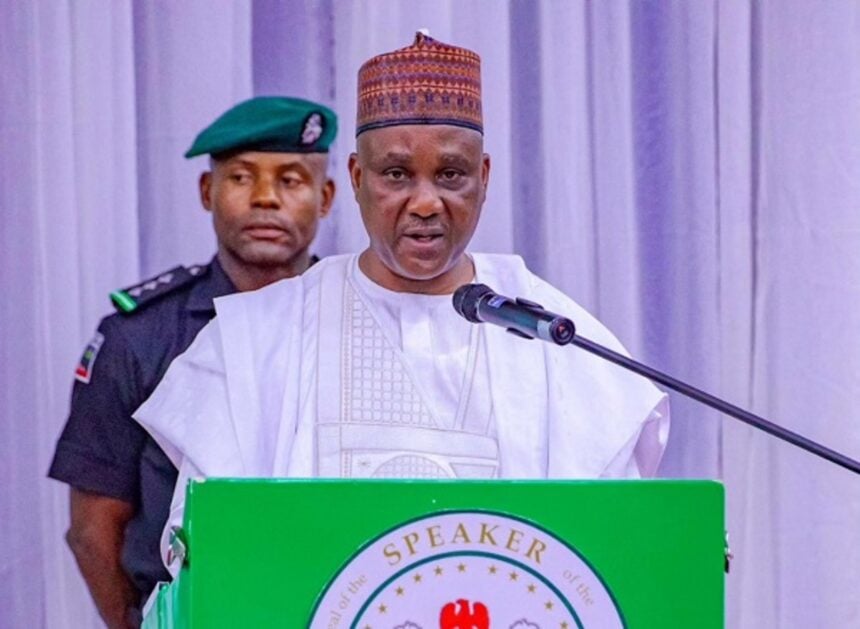
Speaker of the House of Representatives, Hon. Abbas Tajudeen, has clarified that the National Assembly adopted a hybrid model for results transmission in the amended Electoral Act to prevent the disenfranchisement of voters and address growing apathy ahead of the 2027 general elections.
Speaking during a courtesy visit from the Spanish Ambassador to Nigeria, Felix Costales, the Speaker emphasized that relying solely on electronic transmission would be impractical given Nigeria’s current infrastructure deficit.
He noted that according to reports from the Nigerian Communications Commission, approximately 40 per cent of the country remains underserved by internet coverage, meaning a purely digital system would effectively lock out nearly half the nation.
The Speaker highlighted the gravity of voter apathy, pointing out that even with manual processes, only 12–15 per cent of registered voters currently participate in elections. He argued that mandating an electronic system in areas with poor connectivity and inconsistent electricity would only drive these numbers lower.
By including both manual and electronic transmission, the Act allows for flexibility: electronic methods can be utilized where feasible, while manual systems ensure that the voices of those in remote or underserved areas are still counted.
Ambassador Costales noted that Spain also utilizes manual transmission for its election results, reinforcing the idea that technology must be adapted to a nation’s specific context.
The Speaker expressed confidence that with the plans outlined by the new INEC Chairman, Professor Joash Amupitan, the 2027 polls will be more transparent and inclusive. He described democracy as a “work in progress,” acknowledging that while Nigeria faces unique energy and connectivity challenges, the country is committed to gradual improvement through legislative diplomacy and international collaboration.
The meeting concluded with both parties agreeing on the importance of consensus and parliamentary cooperation. The Spanish Ambassador pledged his country’s support in offering technical advice and strengthening legislative ties to help deepen Nigeria’s democratic process.
Speaker Tajudeen reaffirmed that the hybrid approach is a pragmatic necessity designed to protect the integrity of the vote while acknowledging the real-world limitations of Nigeria’s current digital and power infrastructure.