

Promoting agro-tourism through “Eriwe farm”
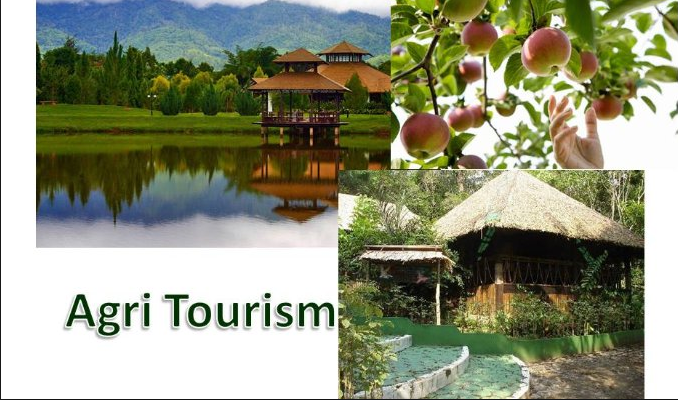
There have been concerted efforts by stakeholders on the need to promote Nigeria’s agro-tourism and addressing high rate of poverty among the people and avoid youths migrating from rural areas in search of opportunities in towns, where they face uncertain future. But in places such as Ijebu, Ogun State, however, a lot of Youths have become agro entrepreneurs out of necessity
The call was further heightened when Nigeria’s first professor of geography, Professor Akin Mabogunje unveiled the ‘City Consultation’ strategy in which Ijebu Ode, was chosen as a pilot case, and fully supported by the UNDP, World Bank and Urban Management Programme.
City Consultation process was preceded by a socio-economic study of Ijebu-Ode commissioned by Mabogunje, and the study highlighted basic problems confronting the people include skeletal power supply, health facilities are run down and ill-equipped, educational institutions are in a poor state among others.
They were also tasked to inaugurate a 16- man committee to boil down the presented papers and stakeholders decisions, thereby, an action plan was launched and implemented.
City Consultation attracted over 400 stakeholders from all walks of life among those include three tiers of government, multilateral and donor agencies, NGO’s, private sector, Youths, Artisans, industrialists, corporative people, chamber and Commerce.
This was disclosed by General Manager, Ijebu Initiative Development on Poverty Reduction (IIDPR), initiators of Eriwe farm, Marcus Adeniyi in an exclusive interview with The Daily Times, Thursday at IIDPR secretariat, Awujale Palace, Ijebu Ode, appealed that government at all levels should support IIDPR financially.
IIDPR, a Non-Governmental Organisation is a brainchild of the paramount ruler of Ijebu Kingdom, Dr. Sikiru Kayode Adetona, established in 2001 and aimed at addressing the state of poverty among the people.
According to him, IIDPR, single handedly run by board of directors, requires government’s funding especially at this time of economic downturn, a global phenomenon which has negative impact on the finances of businesses.
“We are basically into four things, which include Youth Information programmes, Medical and Health Programmes, which means assisting government on renovation of some hospital buildings, Micro -Credit as well as Enterprise Development Programme. Under the enterprise development program, we have agric businesses and also transportation.
Speaking further, Adeniyi noted that Eriwe farm has attracted a huge number of tourists from all parts of the world to view the natural splendors of our farm.
The G.M. who noted that City Consultation was a bottom top approach, also stressed that young graduates should continue to embrace agric businesses.
While encouraging the youths to explore ideas and much more, he said they had been able to export fish overseas but in a very skeletal portion.
Speaking further the IIDPR boss stated that experience had shown that people are not honest enough to refund the money and coordination was becoming problematic, recalling board then saw need for a cluster family today known as ‘Eriwe farm’.
Commenting on benefit; he said, “We wants the people of Ijebu to come out of poverty. And one of the thing we do we start from training after we mobilized land, we give loan and proffer market for them.
Speaking further on motivation according to him, “having worked directly under professor Akin Mabokunje was enough school, “Working under such people has really fired my interest towards development work.”
On expectation; he urged, “We are going to cash crop which include rubber and cocoa and that one has a better sustainable income, thereby, ensuring the people better future ahead. “We are even advising the people to diversify as to be able to have a stable life both financially and otherwise, he reiterated.
Adeniyi who stated that fish industry in Nigeria was demand driving, also noted, they would want to expand their processing unit
In otherhand, one of the farm arms who studied agric, Sudik Kehinde lamented, he couldn’t own a farm because he has no money. “Government should support us, he pleaded.”
Asked if he had plan venturing into another business, “I don’t think I can leave farming because farming is lucrative”, Sudik expressed optimism.
“We don’t have only fishry here. We also have poultry, piggery and others”, Kehinde concluded.


5000 schools battle for COPA Coca-Cola title
Related to this topic: