
NCSP urges climate policy alignment to unlock private capital for Nigeria’s Blue Economy
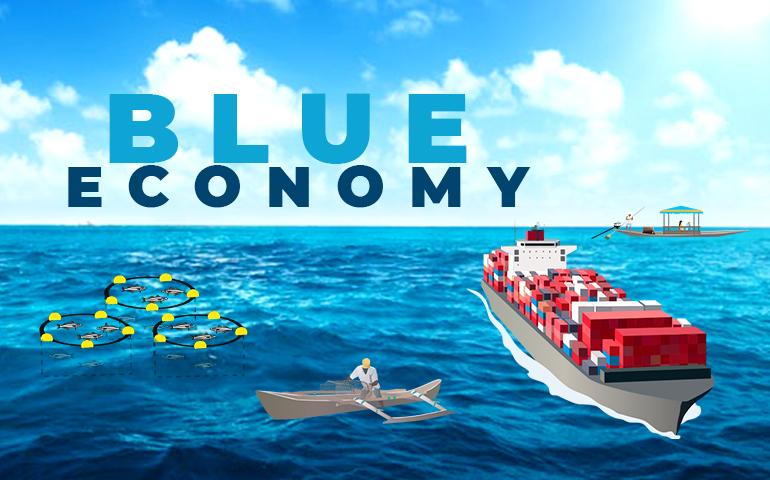
The Nigeria–China Strategic Partnership (NCSP) has called for stronger alignment between federal, state, and international climate strategies to unlock billions of dollars in private capital for Nigeria’s emerging Blue Economy.
The call was made at the 11th Lagos International Climate Change Summit (LICCS), which convened policymakers, investors, climate experts, and development partners to explore innovative financing solutions for ocean-based and climate-resilient projects.
Speaking on behalf of NCSP Director-General Joseph Olasunkanmi Tegbe, Head of Investment Management, Mr. Taiwo Ajetunmobi, commended Lagos State for its leadership in subnational climate action, describing the city as a continental benchmark for sustainable growth.
He highlighted Lagos’s 180-kilometre coastline and its dynamic private sector as strategic assets capable of transforming Nigeria’s maritime economy.
A key example of successful federal–state collaboration cited was the Lekki Deep Sea Port, which attracted over $1 billion in private equity investment, reinforcing Nigeria’s position as a regional maritime hub. “Investors look for three things: policy coherence, regulatory predictability, and project bankability. When these align, private capital follows,” Ajetunmobi noted.
He emphasised that synchronising federal vision with subnational execution is critical to unlocking blended finance for coastal resilience, infrastructure, and ocean innovation.
The NCSP also outlined Public–Private Partnership (PPP) models such as Build–Operate–Transfer (BOT), Design–Build–Finance–Operate (DBFO), and Lease–Develop–Operate (LDO) as pathways to mobilise long-term investment. He urged reforms to standardise processes, strengthen institutional capacity, and improve transparency to create an enabling environment for investors.
Highlighting China’s growing role as a strategic partner, Ajetunmobi pointed to investor interest in waste-to-energy initiatives, solar-powered cold-chain logistics, and water transport projects. “China leads globally in clean energy and marine infrastructure. With commercially viable frameworks, Lagos can attract long-term equity partnerships that deliver real value to its people,” he added.
The summit, themed “Blue Economy, Green Money: Financing Africa’s Coastal Resilience and Ocean Innovation,” reinforced the imperative of unified action among stakeholders.
“The tide of opportunity is rising, and Lagos must rise with it. By aligning state, federal, and global strategies, we can turn Nigeria’s maritime potential into real wealth and shared prosperity,” he said.
The NCSP reaffirmed its commitment to supporting projects that strengthen Nigeria’s climate resilience while positioning Lagos as Africa’s hub for sustainable Blue Economy innovation, signalling a major step toward leveraging the country’s coastal and marine resources for economic growth, environmental protection, and social impact.