
Wike Applauds Presidential Assent to Electoral Act 2026
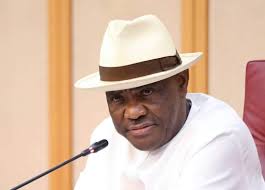
The Minister of the Federal Capital Territory (FCT), Nyesom Wike, has officially commended President Bola Ahmed Tinubu for signing the Electoral Act (Amendment) Bill 2026 into law.
Speaking in Abuja on Wednesday, February 18, 2026, the Minister described the legislative development as a “landmark achievement” that underscores the administration’s commitment to reinforcing the integrity of the ballot box. Wike’s endorsement follows a rigorous legislative journey that culminated in the President’s assent, a move widely viewed as a strategic preparation for the 2027 general elections and upcoming off-cycle polls.
The Electoral Act 2026 introduces several critical shifts designed to modernize Nigeria’s democratic processes. Most notably, the law now provides statutory codification for the Bimodal Voter Accreditation System (BVAS), transitioning it from an administrative choice by the Independent National Electoral Commission (INEC) to a mandatory legal requirement for all federal and state elections.
Furthermore, the Act grants explicit legal backing to the INEC Result Viewing Portal (IReV), aimed at enhancing transparency and public confidence. Wike emphasized that these reforms remove “interpretative ambiguities” that had previously led to protracted post-election litigation, thereby fostering a more stable political environment.
From an economic perspective, the timely assent to the Electoral Act 2026 is expected to have a stabilizing effect on Nigeria’s investment climate. Political uncertainty often triggers capital flight and discourages Foreign Direct Investment (FDI) as stakeholders hedge against potential instability.
By establishing a clear and technologically advanced legal framework more than a year before the next general election cycle, the government is signaling institutional maturity. Moreover, the Act mandates the early release of election funds—no later than one year before a general poll which is intended to prevent the inflationary pressures typically associated with emergency, last-minute procurement by the electoral umpire.
The new legislation also addresses the fiscal realities of modern electioneering by adjusting campaign spending limits. The ceiling for presidential campaign expenditures has been increased from ₦5 billion to ₦10 billion, reflecting the current inflationary environment and the rising cost of logistics and media engagement.
While these higher limits have drawn scrutiny from civil society regarding the influence of “big money” in politics, proponents argue that a realistic cap is necessary to ensure compliance and transparency in campaign financing. For the broader economy, a more regulated and predictable electoral cycle reduces the “political risk premium” often factored into Nigerian sovereign debt and commercial contracts.
Wike’s vocal support for the Act also touches on the administrative efficiency of the FCT, which serves as a pilot for many of the nation’s democratic reforms.
He noted that the refined timelines including a 300-day window for the “Notice of Election” and a 120-day deadline for the submission of candidate lists will allow for better strategic planning at both the state and federal levels. These streamlined processes are intended to resolve intra-party disputes and pre-election litigations earlier in the cycle, ensuring that governance is not paralyzed by the distractions of unresolved electoral contests.
Despite the Minister’s accolades, the Act remains a subject of intense debate regarding the mandatory nature of electronic result transmission.
While the final version of the bill strengthens INEC’s digital mandate, it maintains a level of operational discretion for the Commission in areas with significant infrastructural deficits.
Wike addressed these concerns by stating that the law provides a “robust and pragmatic” balance between technological aspiration and the reality of Nigeria’s current internet penetration levels. He urged political stakeholders to move beyond “unproductive skepticism” and focus on utilizing the new legal tools to deepen democratic engagement.
The 2026 Act also introduces harsher criminal sanctions for electoral infractions, including a mandatory minimum of ten years’ imprisonment for officials found guilty of intentional false declarations or deliberate violations of collation procedures.
These measures are designed to act as a deterrent against the administrative manipulation of results, which has historically been a primary driver of civil unrest and economic disruption.
By raising the stakes for electoral malpractice, the government aims to professionalize the role of ad-hoc and permanent election staff, thereby securing the sanctity of the democratic process.
As Nigeria enters the 2026 electioneering year, the focus will shift to INEC’s implementation of these new statutory requirements.
The Minister’s endorsement reflects a broader consensus within the executive branch that a credible electoral framework is the bedrock of national stability and economic growth.
The successful application of the 2026 Act will be instrumental in determining the nation’s democratic trajectory, ensuring that the transition of power is governed by law rather than by administrative discretion or political volatility.


Related to this topic: