Why Recycling Alone Won’t Solve Nigeria’s Plastic Pollution Crisis
By Uduma Deborah Alobo, Environmental Engineer
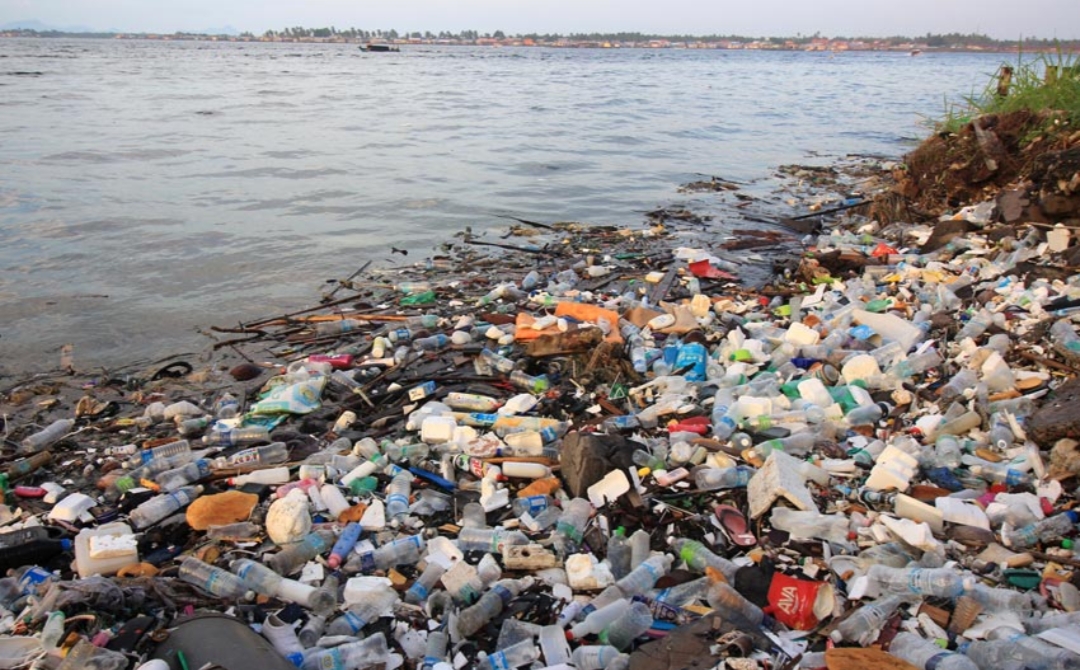
Anyone living in a moderately to densely populated urban area in Nigeria is well aware of the country’s plastic pollution crisis. From single-use plastic bags (popularly called nylon) and bread wrappers to Styrofoam food containers, pure water sachets, plastic bottles and the plastic packaging of everyday goods such as biscuits and detergents—plastics dominate our streets, gutters and waterways.
The problem is not limited to cities. Travelling by road across the country—something that has sadly become a risky affair due to the rising incidence of kidnapping—one cannot miss how heaps of plastic waste now scar our once-beautiful landscapes.
In response, recycling is often presented as the solution. Several start-ups, mostly in Abuja and Lagos, have emerged to tackle the problem. The Federal Ministry of Environment even operates a scheme where people can reportedly sell used plastic bottles for money, somewhat similar to Germany’s Pfand system. Many NGOs also promote “waste-to-wealth” initiatives that teach people how to repurpose plastic into reusable household items. While these efforts are commendable and certainly remove some plastic from circulation, they cannot solve Nigeria’s plastic problem.
Recycling—converting waste materials into new products—is not a new human invention. Metals have been recycled for centuries, glass is routinely re-melted, and even unfired clay can be reclaimed. In these cases, recycling works beautifully. But plastic recycling is a completely different story.
Why Recycling Is Not the Answer
1. The scale of plastic waste is overwhelming
Nigeria generates far more plastic waste than any existing recycling system—formal or informal—could ever manage. Because reliable national data on Nigeria’s plastic consumption are not available, we can only estimate using global trends. Western Europe consumes around 150 kg of plastic per person per year. Since high-income countries typically use far more plastic than lower-income ones, we can conservatively assume that the average Nigerian consumes only half that amount.
Using this reduced benchmark and a population of roughly 200 million, Nigeria would still produce an estimated 15 million tonnes of plastic waste every year.
That figure is almost impossible to picture, so let’s put it in perspective. An adult male African elephant weighs about 6 tonnes. This means Nigeria’s annual plastic waste ≈ 2.5 million elephants.
If elephants still feel too abstract—because let’s be honest, most of us have never seen one up close—let’s use something truly familiar: Dangote Cement. A bag of Dangote Cement weighs 50 kg, meaning 15 million tonnes is equal to 300 million bags.
A single 40-foot container can hold roughly 1,000 bags of cement. That means Nigeria produces the equivalent of 300,000 forty-foot containers of plastic waste every year.
For football lovers: a FIFA-standard pitch can fit about 240 forty-foot containers. So, to store one year of Nigeria’s plastic waste, you would need over 1,250 layers of containers stacked across one pitch.
No recycling ecosystem in the country—even in the most optimistic scenario—could possibly cope with such volume. And because plastic does not biodegrade, this waste simply accumulates year after year, worsening the crisis.
2. The informal “recycling” sector isn’t true recycling
A common misconception in Nigeria is that our informal bottle-collection system counts as recycling. It does not. What many people refer to as “recycling” is actually reuse, and the two are not the same. Reuse simply delays when an item becomes waste; recycling converts a material into something new. Unfortunately, Nigeria’s informal system only manages a very small portion of one specific plastic stream.
These informal collectors focus almost exclusively on transparent plastic bottles, particularly PET bottles. They do not handle the overwhelming majority of plastic waste such as nylon bags, pure water sachets, Styrofoam containers, food wrappers, bread packaging, detergent packs, and other non-PET plastics.
Even within the bottle stream, the reuse cycle is extremely short. After collection, these bottles are washed and sold to small beverage producers—those making zobo, kunu, ginger drinks, and similar products. But once consumers finish the drink, the bottle is usually discarded rather than collected again. Why? Because beverage vendors strongly prefer bottles that look visibly “new,” clean, and uniform. Reused bottles often have scratches, fading labels, dents, or stubborn odours from their previous contents, making them undesirable for vendors who want their products to appear hygienic and appealing to customers.
As a result, the majority of these reused bottles are only used one additional time before they inevitably become waste. This system does not significantly reduce Nigeria’s plastic pollution—it merely slows the journey of a bottle to the dump by a short step.
In reality, this informal practice is helpful but cannot and will never function as a nationwide plastic management solution.
3. Mechanical recycling is technically and economically difficult
A major reason plastic recycling has not solved the waste problem—globally or in Nigeria—is that plastic is not a single material. It is a large family of materials with different chemical structures and properties. Common examples include PET (drink bottles), HDPE (detergent bottles), PVC (pipes), LDPE (nylon bags and sachets), PP (yoghurt cups), PS (Styrofoam), and many others.
Figure 1: Types of Plastic and their common applications

This variety is the first challenge because not all plastics are recyclable, and even those that are technically recyclable can only be processed under very controlled conditions. Proper mechanical recycling requires a single, clean, uncontaminated waste stream. For example, PET can only be recycled with PET. If a different plastic type, for example HDPE, accidentally enters the PET waste stream, it melts at a different temperature and ruins the entire batch. Each plastic type also contains different additives, dyes, and stabilisers, making mixed-plastic recycling nearly impossible.
In reality, Nigeria’s waste stream is heavily mixed: nylon bags, sachets, wrappers, bottles, Styrofoam, and food waste are all thrown together. Sorting this waste by hand is slow and expensive; doing it mechanically requires advanced machinery that we simply do not have at scale. As a result, most plastic waste collected in Nigeria is too contaminated or mixed to be recycled properly.
Even when recycling is technically feasible, it is often not economically attractive. Virgin plastic, that is plastic made directly from fossil fuels, is cheaper, easier to produce, and more consistent in quality than recycled plastic. Meanwhile, recycled plastic becomes expensive because of the cost of collecting, transporting, sorting, washing, and processing the waste. Many recycling ventures around the world fail for this reason: the end product costs more than new plastic.
Another limitation is that plastic can only be recycled a limited number of times. Unlike metal and glass, which can be recycled indefinitely without losing quality, plastic becomes weaker each time it is processed because its polymer chains degrade. Depending on the type, some plastics can be recycled only once or twice before they become unusable waste.
The global statistics make the situation clear. According to the OECD, only about 9% of plastic waste worldwide is actually recycled. The rest is landfilled, incinerated, or simply mismanaged. If the world’s most advanced economies, with far better waste-management systems, cannot successfully recycle most of their plastic, it is unrealistic to expect recycling to solve Nigeria’s plastic crisis.
Mechanical recycling does not close the loop. It merely delays plastic from becoming pollution.
So, what then is the solution?
Nigeria needs a combination of short-term, medium-term, and long-term interventions. Recycling alone cannot solve the crisis; the only real solution is reducing how much plastic we produce and use in the first place.
Short-Term Solutions: Ban and Restrict High-Impact Single-Use Plastics
Nigeria can begin addressing plastic pollution by taking decisive action against the types of plastics that create the greatest environmental harm. Our African neighbours—Kenya and Rwanda—have already shown what is possible. Both countries enforce strict regulations banning the manufacture, importation and sale of items such as polyethylene carrier bags, Styrofoam food containers, plastic straws and plastic cutlery. With proper enforcement, these policies have led to visibly cleaner environments and reduced plastic leakage into waterways and soil.
Nigeria should adopt similar measures and expand them further by banning the production and sale of pure water sachets, which remain one of the most common and persistent forms of litter nationwide. Governments have long hesitated to ban pure water because it is cheap and widely consumed, especially by low-income households. However, this perceived “cheapness” comes with a hidden cost: severe environmental pollution and increased exposure to microplastics, which pose growing public-health risks.
A complete ban on these high-impact single-use plastics is feasible because sustainable alternatives are already available and affordable. Polyethylene carrier bags (popularly called nylon) can easily be replaced with reusable bags. These do not have to be fancy canvas or jute totes—our everyday Bagco “sack bags,” commonly used in markets, serve perfectly well as durable, reusable carriers.
Styrofoam food containers can be substituted with sturdier plastic containers made from PET or HDPE, or with paper and cardboard packaging depending on the type of food being sold. Biodegradable and compostable food containers provide another practical alternative. In certain establishments, customers can even be required to bring their own reusable containers rather than relying on disposable packaging.
Single-use plastic cups, plates and cutlery can be replaced with reusable versions made from metal, ceramic or wood where appropriate. For settings where reusable items are impractical—for example, large outdoor events—paper cups and plates or biodegradable/compostable alternatives provide suitable substitutes. Plastic straws can also be replaced with compostable or biodegradable versions. While metal and silicone straws exist, many people are reluctant to use them in public eateries due to concerns about hygiene, making single-use biodegradable straws a more realistic option.
Note: Biodegradable and compostable cups, plates, cutlery and containers are made from plant-based materials such as sugarcane bagasse, bamboo, cornstarch (PLA), rice husks and wood pulp. Although still single-use, they break down naturally over time, meaning their cumulative environmental impact is far lower than that of conventional plastics.
Even drinking water does not need to rely on plastic packaging. Water can be supplied in aluminium cans, glass bottles or multilayered cardboard cartons, just like many other beverages.
If the government is unwilling to impose an outright ban, it can introduce a single-use plastic levy to discourage consumption. A levy on polyethylene carrier bags would reduce the volume handed out freely, and vendors may require customers to purchase plastic carrier bags thereby promoting the use of reusable bags. Similarly, a levy on pure water sachets and plastic-bottled beverages would make plastic packaging more expensive than alternatives such as aluminium cans, glass or cardboard. This would naturally shift consumer preference towards more sustainable packaging.
The same levy system can apply to other plastic packaging used for bread, biscuits, snacks, toiletries and cleaning products. This would encourage manufacturers to return to paper or cardboard packaging—materials they once used and which remain more environmentally responsible.
Figure 2: Sustainable Alternatives to Common Single Use Plastic Items

Medium-Term Solutions: Support Zero-Waste and Refill Models
A key medium-term solution is the adoption of zero-waste stores and refill models, where customers bring their own containers to purchase food items and household products without unnecessary packaging. In these systems, shoppers refill items such as grains, cooking oil, detergents, liquid soap, seasonings and other everyday essentials directly into reusable containers. This significantly reduces packaging waste, lowers costs for manufacturers, and cuts down household waste generation.
The good news is that Nigeria already has a natural foundation for this system. Our traditional markets have always operated in a way that mirrors the zero-waste principle. Nigerians routinely buy garri, rice, beans, grains, vegetables, sugar, powdered detergents and even liquid soap in measured quantities. The only major issue is the widespread expectation that vendors will provide unlimited free nylon bags for every purchase.
Local manufacturers could set up dedicated refill kiosks or mini-stores across the country, allowing customers to top up products in reusable containers. This approach aligns with existing shopping habits while dramatically reducing plastic packaging without forcing any major lifestyle changes.
A modernised zero-waste model would simply refine what already exists by:
- incentivising buyers to bring their own containers,
- reducing or eliminating the distribution of multiple single-use bags,
- establishing refill stations for both dry and liquid household items,
- cutting packaging costs for producers and reducing waste for consumers.
Long-Term Solutions: Invest in Bioplastics and More Sustainable Alternatives to plastics
In the long term, Nigeria can significantly reduce its reliance on fossil-based plastics by investing in bioplastics and other environmentally sustainable, plant-based alternatives. Bioplastics are plastic-like materials that are either partly or entirely bio-based and/or degradable under defined conditions, making them fundamentally different from conventional plastics derived from petroleum. Produced from organic sources such as cassava starch, corn starch, potato starch and sugarcane bagasse, bioplastics offer a more sustainable option in sectors where plastic use cannot yet be eliminated. The advantage of bioplastics and other plant-based alternatives, like the biodegradable and compostable items discussed earlier, is that they can break down naturally under appropriate conditions, thereby reducing long-term environmental harm. It is important to note that bioplastics differ physically and chemically from other plant-based plastic alternatives, and although they may not biodegrade as readily as options like bamboo straws, they still offer a scalable pathway for reducing Nigeria’s reliance on fossil-fuel-based polymers.
A transition to plant-based plastic alternatives would also open up valuable economic opportunities. Because the raw materials can be sourced locally, Nigeria could stimulate new manufacturing industries that support farmers, agro-processors and young innovators. With strategic investment, bioplastic and plastic alternative production could become a key driver of rural development and industrial growth. Government support, through research funding, tax incentives and public–private partnerships, would help the sector expand and mature. Additional enabling measures such as improved rural electrification and stronger rural–urban linkages through better roads and rail networks would further enhance production capacity, lower logistics costs and make large-scale manufacturing more viable across the country.
Although bioplastics are not a perfect solution, they are far less harmful than conventional, fossil-fuel based plastics and represent a crucial component of Nigeria’s long-term strategy for tackling plastic pollution.
Cross-Cutting Measures: Waste Collection and Cleanups
None of the solutions outlined above will succeed without major improvements in Nigeria’s wider waste management system. Effective action requires better municipal waste collection, stricter landfill management, and large-scale cleanup programmes to remove the vast quantities of plastic already in the environment. Public awareness campaigns are also essential to shift behaviour, while consistent enforcement of anti-littering regulations would help reduce the volume of plastic entering streets and waterways in the first place. Without these foundational measures, Nigeria cannot meaningfully reduce plastic pollution, no matter how many new policies or alternatives are introduced.
Conclusion
Recycling alone cannot fix Nigeria’s plastic crisis. The scale of plastic waste is too large, the materials too complex, and the economics too unfavourable. The real solution lies in producing less plastic, shifting to safer alternatives, redesigning packaging, and enforcing strong environmental policies. Countries that implemented bold bans and levies have already shown that meaningful progress is possible.
Nigeria can achieve the same—if we are willing to take decisive action.