
Warner Bros Defends Netflix Merger as Paramount Skydance Pursues Rival Bid
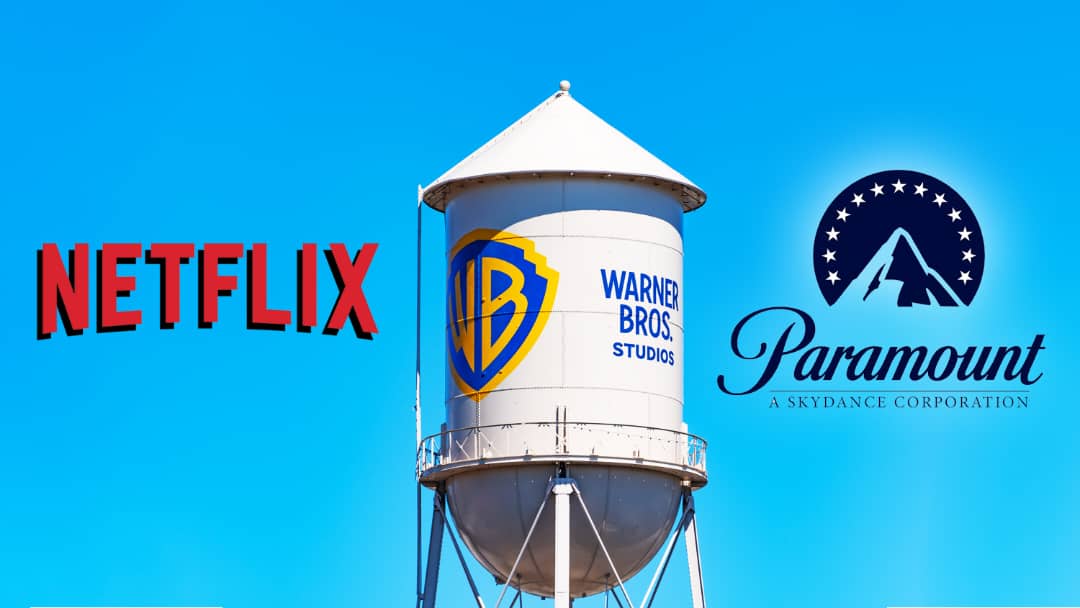
Warner Bros has confirmed its backing of a merger with Netflix, calling the deal the most practical option for shareholders. The announcement comes as Paramount Skydance makes a competing offer.
Executives said the Netflix deal offers a clear regulatory path and lower financing risks. They added that the merger will boost content production, protect jobs, and expand the company’s film and television operations.
The interest in Warner Bros’ studios and content library has lasted months. Paramount Skydance first approached the company in September 2025 during a strategic review. The board rejected several offers at the time.
In December 2025, Warner Bros announced an $82.7 billion agreement with Netflix. Shortly after, Paramount Skydance launched a $108 billion hostile tender offer to win over shareholders.
Warner Bros’ board criticised Paramount’s earlier proposals. They pointed to high financing risks, complex debt structures, and weak protections for shareholders. Paramount Skydance has revised parts of its offer and hinted at a higher price per share. Still, the board says key concerns remain unresolved.
The Netflix merger plan includes separating Warner Bros’ Streaming and Studios divisions from its Global Linear Networks business. This is meant to streamline operations and focus on digital growth and global content distribution.
Shareholders on record as of February 4, 2026, will vote on the merger at a meeting set for March 20. Proxy materials have already been sent to them.
Warner Bros acknowledged that discussions with Paramount Skydance could clarify alternative offers. However, the company warned that there is no guarantee another binding deal will appear.
The board continues to recommend approval of the Netflix merger. They argue it provides strategic stability and a smoother execution compared with Paramount’s offer.
Analysts say the outcome could reshape global streaming and content production. Traditional media companies are facing rising production costs, changes in advertising revenues, and growing competition for digital subscribers.


Ekiti Deputy Gov salutes security agencies
Related to this topic:

Unity, Providus Merger Advances as Court, Regulators Clear Path