

US Visa Uncertainty Prompts Caution Among Nigerian Diaspora Remitters
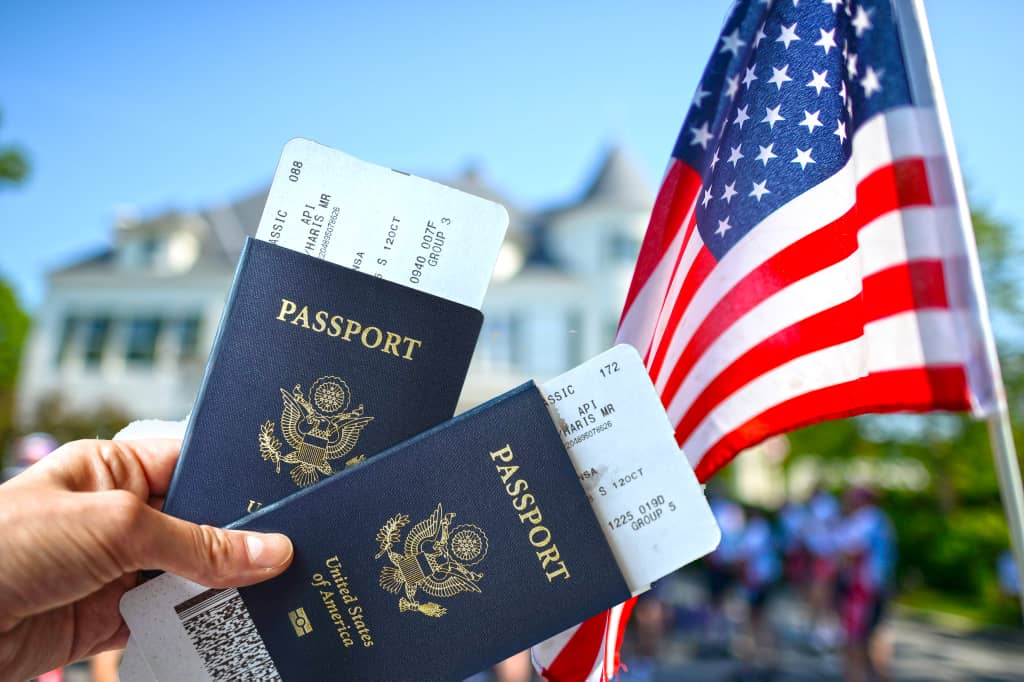
Diaspora Nigerians in the United States are expressing growing caution over sending large remittances home amid uncertainty about visa renewals and immigration enforcement.
Healthcare workers and other temporary visa holders say that large transfers could attract additional scrutiny from U.S. authorities, potentially complicating their paperwork or prompting reviews by agencies such as Immigration and Customs Enforcement.
Mercy Okonkwo, a registered nurse in Chicago, explained that the uncertainty affects not just her status but also the families who depend on her remittances. “If there’s instability in our status, remittances will not be as regular.
Families back home will feel it immediately,” she said. Others shared similar concerns, noting that some are delaying large transfers or breaking them into smaller, more frequent payments to reduce visibility.
Diaspora remittances are among Nigeria’s most reliable sources of foreign exchange. The World Bank reports that Nigeria received about $20.9 billion in personal remittances in 2024, roughly six percent of the country’s gross domestic product, and one of the highest totals in Sub-Saharan Africa.
A substantial portion of these inflows originates from the United States, which hosts more than 440,000 Nigerian-born residents, according to the U.S. Census Bureau.
Policy discussions around stricter immigration enforcement and proposals such as a potential five percent tax on outbound remittances have amplified uncertainty. Analysts warn that even small behavioural changes among Nigerian migrants—such as delaying transfers or reducing amounts—could translate into billions of dollars in reduced inflows annually. This could put added pressure on Nigeria’s external reserves and exchange rate stability.
Immigration lawyers stress that lawful remittances alone do not constitute grounds for deportation under U.S. law.
However, political rhetoric and debates over enforcement can influence financial behaviour, leading migrants to act cautiously even without formal policy changes. Remittance flows remain highly sensitive to both job security and immigration stability.
Any decline in the frequency or size of transfers could weaken Nigeria’s foreign exchange buffers. Remittances play a crucial role in funding household expenses such as tuition, healthcare, housing, and small business projects. Changes in migrant behaviour could therefore have ripple effects on both families and the broader economy.
While there is no official restriction on legal transfers, the climate of uncertainty is reshaping how some Nigerians in the U.S. approach cross-border payments. If sustained, this cautious behaviour could reduce overall inflows, affecting families’ livelihoods and Nigeria’s broader foreign exchange outlook.



Related to this topic:

Foundation Raises Alarm Over Rising Drug Abuse Among Nigerian Youths
NAPTIP Urges Nigerians to Report Child Abuse in Daycare Centers