
US Rules Out Troop Deployment to Nigeria Despite CPC Designation
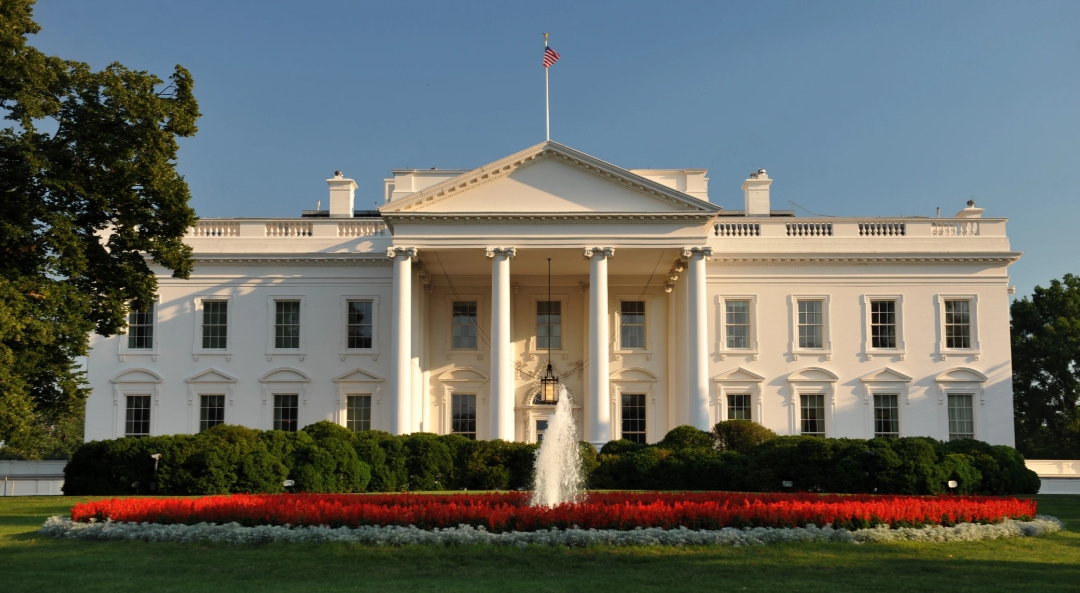
The United States has ruled out deploying troops to Nigeria despite growing insecurity and renewed international attention on religious freedom, saying Washington’s designation of Nigeria as a Country of Particular Concern (CPC) is intended to encourage reforms through diplomatic pressure rather than military intervention.
Members of a bipartisan U.S. Congressional delegation made this clear in Abuja during a press conference after meetings with Nigerian government officials, religious leaders, civil society organisations and private sector representatives, according to ThisDay.
The delegation was led by Congressman Bill Huizenga and included Reps. Michael Baumgartner, Keith Self and Jefferson Shreve.
“Nigeria does need help, but that does not mean U.S. troops,” Huizenga said. “The CPC designation is a tool to motivate action, not a prelude to military deployment.”
The lawmakers explained that Nigeria’s placement on the CPC list was driven by persistent and widespread violence affecting citizens across religious lines, particularly in parts of the Middle Belt where attacks are often described as having religious or sectarian dimensions.
“It is unacceptable that anyone, Muslim or Christian, is experiencing this level of violence,” one member of the delegation said. “Protecting citizens of all faiths is a core responsibility of the Nigerian state.”
Nigeria was recently redesignated a Country of Particular Concern over concerns about religious freedom and unchecked violence, a move that has sparked debate both in Washington and Abuja. The delegation said the designation has already prompted internal discussions within Nigeria’s government, which they described as an encouraging development.
According to the lawmakers, the decision was not meant to punish Nigeria or stigmatise its people, but to push for concrete reforms, accountability and stronger protection of fundamental rights.
They also distinguished between terrorism in the North-East, linked to Boko Haram and the Islamic State West Africa Province, and communal or religiously motivated violence in states such as Plateau and Benue.
“There are different regional realities,” a lawmaker said. “What works in Borno State may not work in Plateau or Benue.”
The delegation stressed that Nigeria’s CPC status is not permanent and will be reviewed based on measurable progress in reducing violence and improving religious freedom. They rejected suggestions that the designation could harm U.S.–Nigeria relations, describing it instead as honest engagement between partners.
“True friends don’t walk away,” Huizenga said. “They stay engaged, even when the conversation is difficult.”
While ruling out military intervention, the lawmakers expressed support for increased non-military engagement, including humanitarian assistance, diplomatic cooperation, institutional reforms and capacity-building initiatives, describing the approach as putting “shoes on the ground, not boots”.
They warned that continued instability in Nigeria has implications beyond its borders, given the country’s strategic importance to regional and global stability. The delegation said it would brief colleagues in Washington on its findings, adding that sustained dialogue, transparency and concrete reforms could lead to a review of Nigeria’s CPC status and a stronger bilateral partnership.
U.S. Ambassador to Nigeria, Richard Mills, said the visit underscored the importance Washington places on Nigeria. He noted that the Michigan-led delegation met Nigerian leaders to discuss shared priorities such as strengthening democratic institutions, expanding trade and investment, and addressing concerns behind Nigeria’s CPC designation.
Mills added that the visit reflected bipartisan support in the U.S. Congress for a strong, forward-looking U.S.–Nigeria relationship. Huizenga, a senior member of the House Foreign Affairs and Financial Services Committees, said the CPC issue, first raised during the Trump administration, continues to generate debate in Congress.
“I felt it was important to make another trip here to be able to look people eye to eye and have frank conversations,” he said. “We are here because this partnership is important to both Nigeria and the United States.”


PENGASSAN Wades into Dangote-NMDPRA

Related to this topic: