
Tinubu Signs Executive Order to Boost Oil Revenue, Curb Deductions
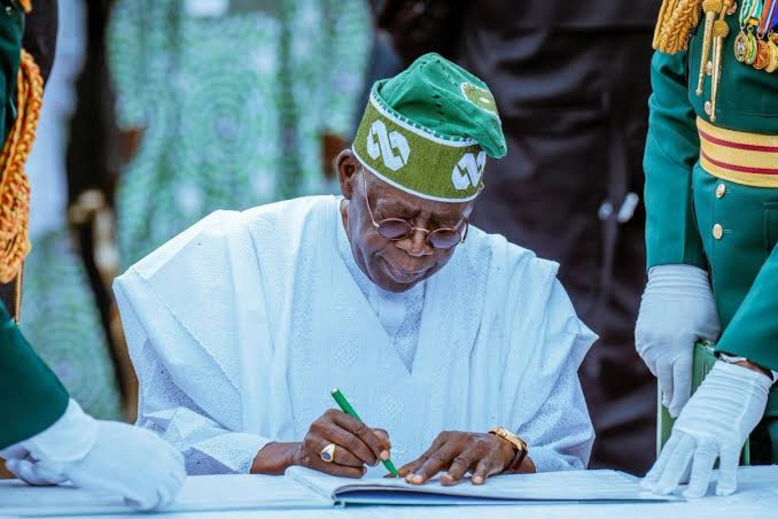
President Bola Tinubu has signed an executive order aimed at increasing oil and gas revenues for the Federation, eliminating wasteful spending, and redirecting resources to benefit Nigerians.
The order, anchored on Section 44(3) of the Constitution, seeks to restore the constitutional revenue entitlements of federal, state, and local governments, which were removed in 2021 by the Petroleum Industry Act (PIA).
According to the President, the PIA created channels through which substantial Federation revenues are lost through deductions, sundry charges, and fees. The NNPC Limited’s retention of 30% of the Federation’s oil revenues as a management fee on Profit Oil and Profit Gas derived from Production Sharing Contracts, Profit Sharing Contracts, and Risk Service Contracts is considered unjustified.
The Executive Order aims to resolve the duplicative 30% deduction for profit-sharing arrangements, address overlapping provisions, and eliminate unjustified deductions that erode revenues accruing to the Federation Account.
Key provisions of the order include:
– NNPC Limited will no longer collect and manage the 30% Frontier Exploration Fund
– NNPC Limited will transfer 30% profit from oil and gas from production sharing, profit sharing, and risk service contracts to the Federation Account
– NNPC Limited will no longer be entitled to the 30% management fee on profit oil and profit gas revenues
– Royalty Oil, Tax Oil, Profit Oil, Profit Gas, and other interests will be paid directly to the Federation Account
– Payments of Gas Flare Penalty into the Midstream and Downstream Gas Infrastructure Fund are suspended
President Tinubu has also approved the establishment of an Implementation Committee to oversee the effective implementation of the executive order.
The committee members include the Minister of Finance, Attorney-General, Minister of Budget and National Planning, and Minister of State, Petroleum Resources (Oil), among others.
The President noted that the reforms are of urgent national importance, given their implications for national budgeting, debt sustainability, economic stability, and the overall well-being of Nigerians.

Senate Moves Elections By 60 Days For Ramadan Fast
Related to this topic:
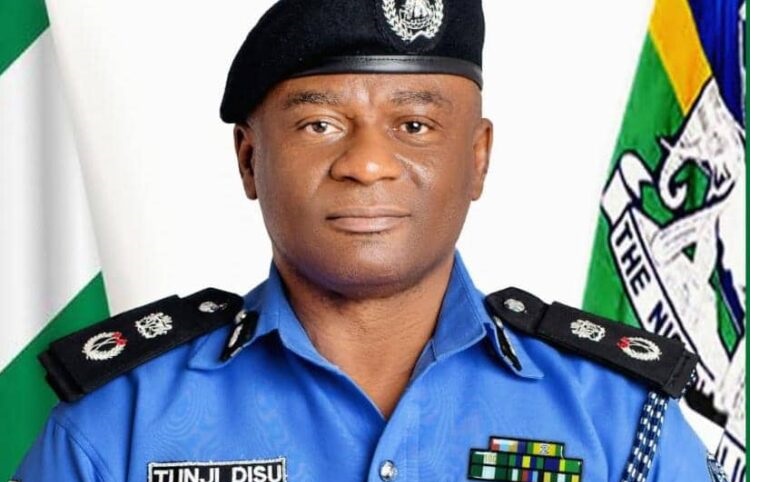
Tinubu Removes Egbetokun, Appoints Tunji Disu as New IGP