
The Social Contract We Deserve: A Nigerian’s Tax Day Reckoning
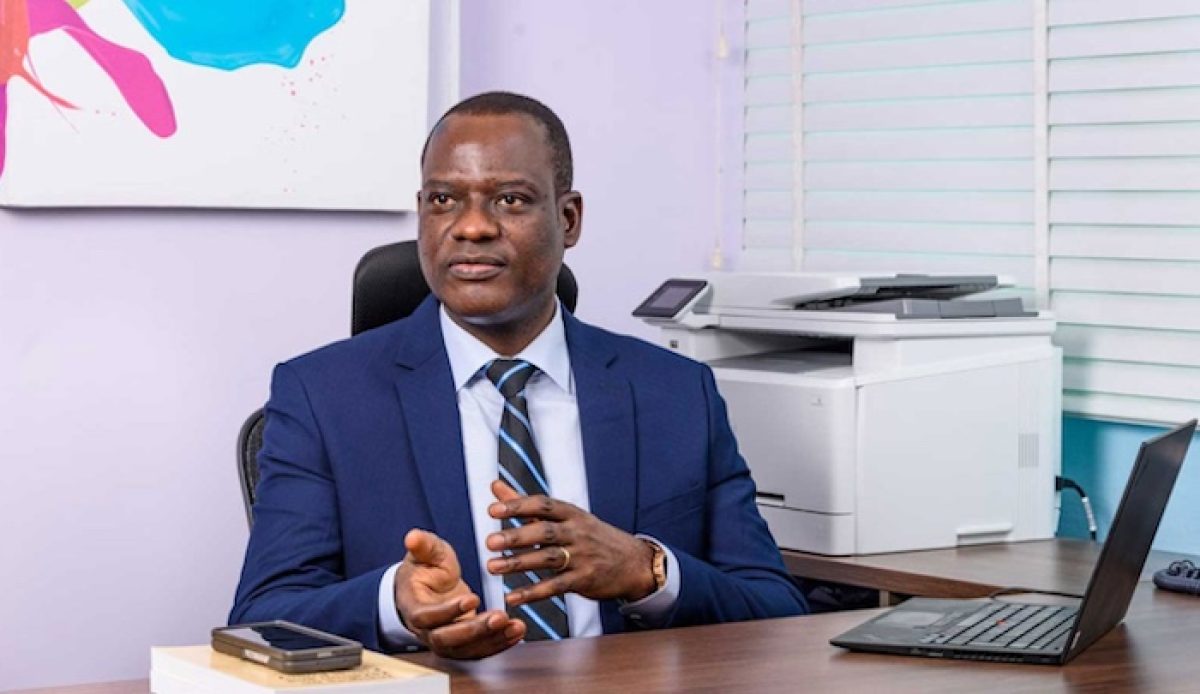
As we find ourselves in January 2026, the sweeping tax reforms that Chairman Taiwo Oyedele and President Bola Tinubu have assured us will transform our economy are now upon us. The Nigeria Tax Act and the Nigeria Tax Administration Act are now law, joining the earlier Nigerian Revenue Service Act and Joint Revenue Board Act to complete what the administration calls a “pro-people” transformation.
We are told that ninety-eight percent of workers will pay no tax or pay less, that small businesses will be exempted, that this is designed to provide relief. Yet I hear the stories from my siblings back home; they tell me of prices that soar daily, of purchasing power that evaporates like morning mist under harsh sunlight, of struggles to afford what used to be basic necessities. Their experiences make me ask: what do I want my tax naira to actually do for them, for all of us?
Technocrats speak in reassuring percentages and promise economic growth through expanded tax bases. Zacch Adedeji, Chairman of the Nigerian Revenue Service, and Joseph Tegbe of the National Tax Policy Implementation Committee stand alongside Oyedele, painting pictures of fiscal discipline and sustainable development. They tell us the reforms will eliminate multiple taxation, that we will finally see transparency in how our money is collected and spent. But where is the austerity on the government’s side?
Where is the belt-tightening that ordinary Nigerians have been forced to endure since fuel subsidies were removed and the naira floated? We watch as Nigeria’s public debt balloons, as billions are borrowed month after month, yet we see ministers with their convoys, a National Assembly budget exceeding N227 billion and the Presidency spending N10 billion on solar panels for Aso Rock. The cost of governance remains stubbornly high while citizens are asked to contribute more, trust more, sacrifice more.
I think of countries where taxation genuinely strengthens the social contract between government and governed. In Denmark, citizens pay among the highest taxes in the world with rates exceeding fifty-five percent, yet they receive universal healthcare, world-class education, comprehensive childcare, and elderly care in return. Sweden, Norway, and Finland follow similar models where tax rates hover between forty-two and forty-seven percent of GDP, but their citizens consistently rank among the happiest in the world because they see their taxes working.
They drive on well-maintained roads, their children attend excellent schools regardless of family income, their elderly live with dignity, and corruption is ranked among the lowest globally. The Scandinavian social contract is simple and sacred: we tax you heavily, but in return, government becomes visible in every positive aspect of your life. Trust is earned through delivery, and that trust reinforces compliance. Citizens there do not view taxation as theft but as investment in collective prosperity.
Nigeria’s reality could not be more different. We face what critics like former Vice President Atiku Abubakar call a debt spiral, where new loans service old ones while productive investment remains elusive. We endure inflation that stubbornly refuses to retreat despite promises, with food prices consuming sixty percent or more of household income for those earning the adjusted minimum wage.
The August 2024 protests against the cost of living were screams from a people who feel abandoned. The government has implemented austerity measures on citizens while allegations swirl of hundreds of billions looted from ministries, of inflated contracts and diverted infrastructure funds. How can Nigerians embrace taxation when they suspect their contributions fund not development but the lavish lifestyles of political elites?
Here is what I want my tax to do for every Nigerian: I want to see it build schools where children can learn without sitting on floors or studying under trees. I want healthcare facilities where nurses do not strike for months over unpaid salaries, where medicines are available, where childbirth does not become a gamble with death. I want roads that do not swallow vehicles whole, electricity that flows reliably so small businesses can thrive without spending fortunes on generators. I want security forces equipped and motivated to protect citizens rather than harass them.
I want transparency in budgets, I want to know exactly where each naira goes, and I want consequences when it is stolen. I want a social safety net that catches the vulnerable before they fall into destitution, not token cash transfers that reach only a fraction of those who need them. I want water that flows from taps, waste management systems that function, public transportation that is safe and affordable.
The tax reform may indeed reduce burdens on paper, but until government demonstrates it can deliver value for our money, until we see leaders practicing the austerity they preach, until corruption ceases to be Nigeria’s most reliable institution, our skepticism will remain justified. We are skeptical about paying more into a system that has failed us repeatedly. But if we must pay, if these taxes are truly inevitable, then we want to see them work. We want value. We want accountability.
Oyedele and his team have designed what they believe to be fair and efficient laws. Now comes the harder part: proving that Nigerian taxes can build a Nigeria where government’s presence is felt not through harassment and empty promises, but through services that dignify human life. If payment is demanded, then let delivery be guaranteed. We want to contribute to national development, but we also want to live, not just survive. We want our taxes to work for us, not against us.
The social contract in Nigeria has been broken for so long that many of us do not even remember what it looks like intact. This moment offers a chance to begin rebuilding it, but words alone will not suffice. We need action, accountability, and most of all, we need to feel that our government actually cares whether we tonight. The burden of proof lies entirely with those who govern. Show us our taxes at work, and trust will grow.