
Tax Reform: FG Insists New Laws Take Effect January 1, 2026 Despite Controversy
The federal government has insisted that Nigeria’s newly signed tax laws will take effect from January 1, 2026, despite growing backlash and allegations that the documents signed by President Bola Tinubu differ from those passed by the National Assembly.
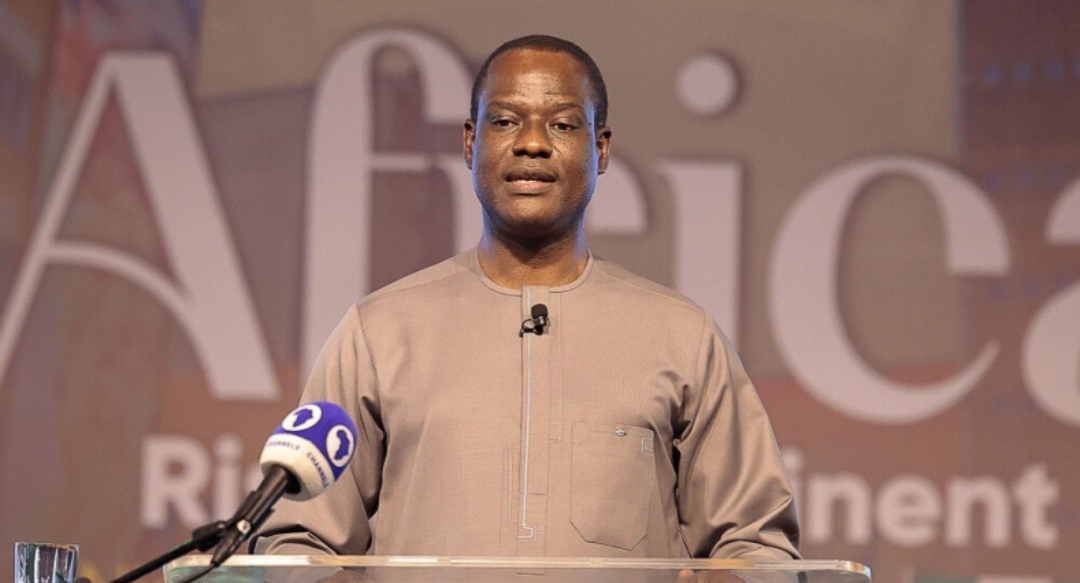
The Chairman of the Presidential Committee on Fiscal Policy and Tax Reforms, Taiwo Oyedele, made the declaration on Friday in Lagos after a closed-door briefing with President Tinubu. Also present at the meeting were the Chairman of the Federal Inland Revenue Service (FIRS), Zacchaeus Adedeji, and the Chairman of the National Tax Policy Implementation Committee, Joseph Tegbe.
“The plan to commence the new laws on January 1, 2026, will go ahead as planned,” Oyedele told journalists, adding that the reforms would “provide relief to the Nigerian people.”
According to him, the changes would significantly reduce the tax burden on individuals and businesses, with “98 percent of workers” expected to pay little or no Pay-As-You-Earn (PAYE) tax. He also said “97 percent of small businesses will be exempt from Corporate Income Tax, Value Added Tax (VAT) and Withholding Tax,” while large companies would benefit from reduced tax obligations.
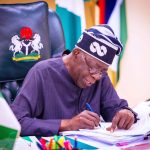
President Tinubu signed four tax reform bills into law on June 26, 2025, a move the administration has described as the most far-reaching overhaul of Nigeria’s tax system in decades. The reforms are expected to lead to the creation of a unified revenue authority known as the Nigeria Revenue Service.
However, the legislation has been engulfed in controversy, with lawmakers accusing the executive of altering the bills after they were passed by parliament.
Earlier in December, Abdussamad Dasuki, a member of the House of Representatives, raised concerns that the versions of the laws made public do not reflect what lawmakers debated and approved.
“Our legislative rights have been breached,” Dasuki said.
“What the President signed is not what we passed. Even I, a lawmaker, don’t have a certified copy of what was transmitted.”
He accused the Clerk of the National Assembly of failing to produce the harmonised and certified versions of the bills meant to be forwarded to the Presidency, fuelling speculation that clauses may have been altered behind closed doors.
The tax reforms had faced strong opposition before their passage, particularly from northern lawmakers. Several members of the ruling All Progressives Congress (APC) joined opposition voices in warning that the bills could worsen regional economic inequality and centralise revenue powers in the Presidency.
Civil society organisations and industry groups have also criticised the pace of implementation. Business owners have warned that the reforms could trigger a compliance crisis, especially as banks prepare to enforce new requirements mandating Tax Identification Numbers for all taxable Nigerians before account access.
Opposition politicians have described the January 1 implementation date as “arbitrary and reckless,” accusing the Tinubu administration of attempting to push through a multi-trillion-naira restructuring without adequate transparency.
The government has denied any wrongdoing, dismissing the allegations as politically motivated.
Despite the controversy, Oyedele insisted that there would be “no going back,” while adding that the government is “ready to work with the National Assembly to address concerns.”
Analysts say the statement suggests the administration is under pressure to manage the fallout as the deadline approaches. Unless parliament forces a suspension, the tax laws are expected to take effect at midnight on January 1, 2026—a move that insiders warn could trigger a constitutional showdown in the new year.


Related to this topic:

Dangote Refinery Seals Major Petrol Offtake Agreement

Time Now the Highest Stake Asset in Aviation, Ajayi Says