

Starting a Career in Logging: Work Tips from Logger Boots to On-the-Job Safety
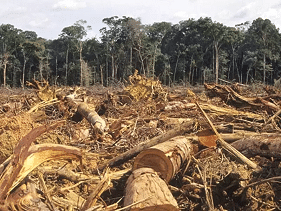
Logging is no place for shortcuts. When you’re deep in the woods with a chainsaw in hand and uneven ground underfoot, everything matters: your safety gear, your focus, and especially your logger work boots.
The forest doesn’t cut you any slack. Whether you’re a faller, bucker, machine operator, or just starting as a logger, the job demands a mix of respect, readiness, and rugged gear that can handle the unknown.
This isn’t a glamorized trade. Logging ranks among the most dangerous professions in America, and for good reason. Falling limbs, steep terrain, remote worksites, and high-powered tools all converge daily. But for the right kind of person, it’s not just a job; it’s a calling.
Why Choose a Career in Logging?
Logging offers something few jobs can: real-world impact, raw challenge, and the kind of fulfillment that comes from working with your hands and earning your place in a skilled, tight-knit crew.
Work With Purpose
Every log cut, every tree processed, supports industries that fuel homes, infrastructure, and livelihoods. It’s work that matters.
Be Outside, Not Behind a Desk
For those drawn to the outdoors, logging puts you at the heart of wild, changing landscapes. If fluorescent lights and cubicles sound stifling, this trade offers fresh air and physical engagement.
Learn Skills That Stick
From operating heavy machinery to mastering chainsaws and reading terrain, logging builds versatile skills that transfer across industries, from construction to land management.
Earn Respect, Not Just a Paycheck
Crews are built on trust and grit. If you show up ready to work, learn, and stay safe, the rewards, financial and personal, add up.
Work Tips: Safety is Paramount for Loggers
There’s a reason logging consistently ranks among the most dangerous jobs in America. The hazards are real: falling limbs, steep slopes, remote locations, and powerful equipment all operating at once. Logging demands mental sharpness, physical stamina, and the kind of gear that won’t quit halfway through a 10-hour shift.
The Foundation Starts at Your Feet
The first thing new loggers must ask is, ‘What’s on my feet?’ Because if it’s not a proper pair of logger work boots, the rest doesn’t matter. Your boots are your foundation, literally. The right boots aren’t just about comfort; they’re your first line of defense against twisted ankles, slipping hazards, and fatigue.
In logging, terrain is never consistent. One moment it’s dry rock, the next it’s slick mud or snowy ground. Logger boots are built with that in mind: high heels for grip on slopes, tall shafts for ankle protection, deep lug soles for traction, and solid leather construction to take a beating. Wearing a standard pair of work boots in the woods? That’s asking for trouble. Poor footing can lead to injuries, and blisters in the first week can significantly impact the entire experience.
If you’re starting your career in logging, don’t grab any generic work boots. Explore proven gear from specialists like Overlook Boots’ Logger Collection, because the wrong boots can end a career before it starts.
What to Look for in Logger Boots
Not all boots labeled “logger” are up to the job. Here are the recommended features:
● Steel or composite toe for chainsaw and impact protection
● Raised heel (logger heel) for traction and bracing on hills
● Slip- and oil-resistant outsole with aggressive tread
● 9″ to 10″ shaft height for stability and brush protection
● Waterproof leather uppers with a gusseted tongue
● Optional insulation for winter crews
Match the Logger Work Boot to the Job
Logging is a broad term. What a yard operator needs in a logger work boot isn’t the same as what a faller needs.
● Fallers & buckers: Opt for steel-toe, waterproof, tall-shaft boots. You need maximum protection.
● Equipment operators: Look for comfort, flexibility, and composite toes for extended periods spent in and out of machines.
● Mill yard: A logger-style work boot with a mid-height shaft works well. Comfort matters when you’re on flatter ground.
● Cold weather crews: Insulated logger boots (400g+ insulation) are a must.
Also, break in your boots before the first big job. Too many rookies are sidelined from day one with blisters. And ladies in logging, yes, there are excellent women’s logger boots out there. Don’t settle for oversized men’s pairs. Fit matters.
General Work Safety Tips for Loggers
Logging isn’t just physically demanding; it’s one of the most high-risk trades in the workforce. So, along with the right logger boots, situational awareness, crew coordination, and consistent habits are what separate seasoned professionals from statistics. Whether you’re swinging a saw or spotting on a skidder, these safety principles apply every day on the job. For more information on safety tips, visit the Occupational Safety and Health Administration’s section on the logging industry.
1. Safety Isn’t Optional—It’s the Job
Always wear complete PPE:
● Hard hat with face shield or safety glasses
● Chainsaw chaps or stag pants
● Heavy-duty gloves
● Hearing protection
● High-visibility layers
Always inspect your gear before every shift and make sure you are dressed appropriately for the conditions. No matter how routine the task seems, the gear goes on.
2. Scan the Scene Before You Start
Take five minutes before any cutting or machine work to evaluate:
● Dead or “danger” trees (snags)
● Hung-up trees or leaning hazards
● Shifting root balls or windthrown timber
● Overhead limbs (widowmakers) and unstable terrain
Never assume a tree or limb is stable because it “looks fine.”
3. Maintain Clear, Consistent Communication
Logging is loud, remote, and fast-moving. Use whistles, hand signals, and radios to:
● Announce tree felling
● Signal machine movement
● Warn others of danger
● Ensure your crew is familiar with your signals and don’t assume they’ve heard you.
4. Never Work Under a Hung Tree
If a tree is hung up or partially felled, stop all work in that zone until it’s safely cleared. It may shift hours later without warning.
5. Plan Your Escape Routes Before You Cut
Before you notch that tree:
● Identify two clear escape paths angled at 45° from the fall line
● Clear those routes of brush, limbs, or tripping hazards
● Rehearse your retreat in your head
When a tree starts to fall, you shouldn’t be thinking; you should be moving.
6. Stay Alert—Fatigue and Complacency Kill
Logging is mentally exhausting, especially in harsh weather or remote terrain. Take breaks, rotate jobs if possible, and ask questions when unsure.
Respect the Work, Earn the Reward
Starting a career in logging isn’t for everyone, and that’s exactly why it’s worth doing. It demands grit, humility, and a willingness to learn from the land and the people who’ve worked it before you. But for those who answer the call, the rewards run deep: honest work, tight crews, and the pride of building something real with your hands. Lace up the right logger boots, listen more than you talk, and treat safety like your job depends on it, because it does. Logging will challenge you, shape you, and if you stick with it, it’ll make you part of a tradition that’s as rugged as the terrain you work on.