
Shameful Nigerian leaders padding budgets, forging laws – Obi

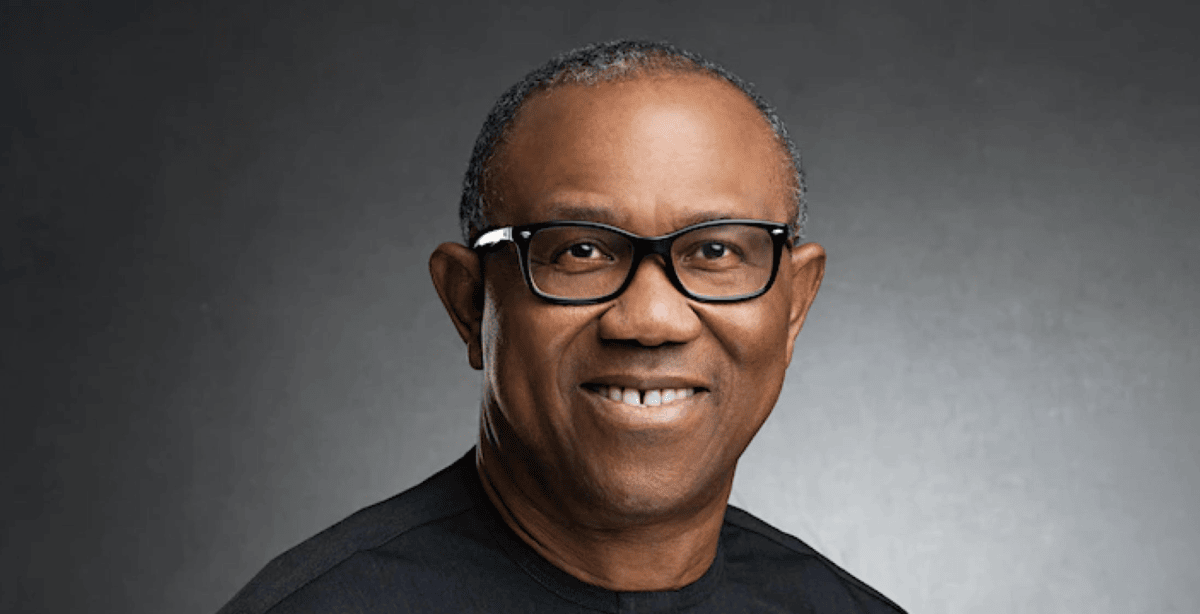
The presidential candidate of the Labour Party in 2023, Mr. Peter Obi, has berated Nigerian leaders for what he called shameful acts padding budgets and forging laws.
According to Obi, the government is fast losing the trust of the people due to under- hand dealings in the business of governance.
He, therefore, demanded more accountability, transparency and respect for the rule of law from the government.
Obi in a post on Saturday via his 𝕏 account, said there are discrepancies between laws passed by the legislature and what was ultimately published as law by the executive.
He lamented that with the current developments, the government has moved beyond budget padding to forging laws.
Specifically, Obi mentioned that the executive is introducing new enforcement and coercive powers that the House of Representatives never approved.
Obi’s allegation was in reaction to allegations raised by House of Representatives member, Abdulsammad Dasuki, about discrepancies between tax reform laws passed by the National Assembly and the versions that were officially published by the executive arm.
The tax reform laws, scheduled to take effect on January 1, 2026, are the National Revenue Service (Establishment) Act, the Joint Revenue Board of Nigeria (Establishment) Act, the Nigeria Tax Administration Act and the Nigeria Tax Act.
The former presidential candidate, in his post on 𝕏, stressed that Nigerians need to understand what was signed, what was passed, and what was formally recorded, adding that the government cannot continue to ask citizens to pay more taxes while trust in governance collapses.
He wrote, “Our national shame continues to unfold, evident in the decisions made by our leaders, even at the highest levels of government. This shame is highlighted by a deeply troubling—and frankly unacceptable—issue: the documented discrepancies between what the legislature passed and what was ultimately published as law by the executive. This is not merely an administrative oversight; it is a serious matter that strikes at the core of constitutional governance and reveals the extent of our institutional decay.
“We have transitioned from a Nigeria where budgets are padded to one where laws are forged—changes that impact taxpayers’ rights and, most importantly, access to justice.
“Even more alarming is the introduction of new enforcement and coercive powers that the House of Representatives never approved. These include an outrageous requirement for a mandatory 20% deposit before appeals can be heard in court, asset sales without judicial oversight, and the granting of arrest powers to tax authorities.
“Perhaps most disturbing is the silence of the Presidency on a matter involving allegations of forgery, institutional sabotage, and abuse of process. Who made these alterations?
“All of this must be made public. Nigerians need to understand what was signed, what was passed, and what was formally recorded. We cannot continue to ask citizens to pay more taxes while trust in governance collapses.
“We need leadership that follows due process, embraces transparency and accountability, and respects the rule of law. No nation can thrive where laws are forged and silence replaces leadership.


Related to this topic:
SAYDI Recognizes Braimah for Maritime Leadership Excellence