

Senator Natasha Akpoti Protests Exclusion from NCDC Committee, Flags Marginalisation
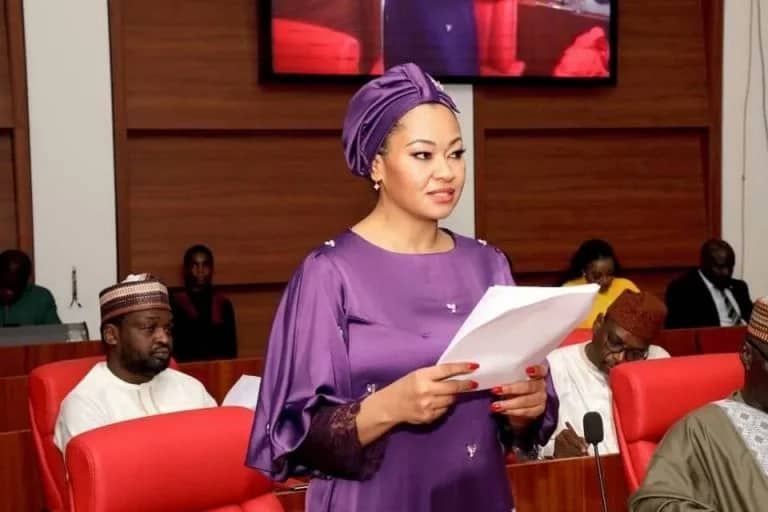
Tensions flared in the Senate on Monday as Natasha Akpoti-Uduaghan, representing Kogi Central, protested her exclusion from the North Central Development Commission (NCDC) committee. She described the move as part of a recurring pattern of marginalisation.
The senator discovered her name was missing from the official attendance list. When she sought clarification, she was directed to the office of Titus Zam, the committee chairman. At the office, Akpoti-Uduaghan said Zam claimed he acted on “instructions from higher authorities” without further explanation.
She condemned the exclusion, stressing that all senators are constitutionally equal in status, authority, and mandate. In a video that quickly circulated online, she said: “No senator here is worth more than my people. I will not tolerate being undermined. I will not be treated like a second-class citizen. It will never happen.”
Akpoti-Uduaghan also alleged that aides to the chairman confronted her media team. She claimed six aides, including the chairman’s secretary, seized her cinematographer’s phone and engaged in verbal hostility. She described the behaviour as unacceptable.
Background Story
Committee assignments in the Nigerian Senate are highly influential. They determine oversight powers, budget decisions, and monitoring of development projects. The NCDC committee oversees initiatives across multiple North Central states, making participation crucial for senators advocating for their constituents.
Disputes over committee placement are not new. Politics, regional balance, and personal influence often shape assignments. Exclusion from a committee can limit a senator’s ability to push for development priorities in their state.
Akpoti-Uduaghan’s protest reflects broader concerns about fairness and transparency in legislative processes. Observers note that political manoeuvring can override procedural rules, leaving some senators struggling to serve their constituents effectively.
Why It Matters
The incident has real consequences for governance and representation. Exclusion from key committees can reduce access to development projects and funding. Constituents may see delays or fewer benefits because their senator cannot participate fully.
The situation also highlights challenges with transparency and adherence to Senate protocols. Ensuring fair committee access is vital for accountability and democratic practice.
For Kogi Central residents, the controversy underscores the importance of effective representation. For the Senate, it is a test of institutional integrity. Observers will watch to see if Akpoti-Uduaghan can exercise her mandate fully.
This episode is a reminder that governance depends not only on laws but also on the fair and transparent functioning of legislative institutions.


Related to this topic:


TAJBank Secures A1 Rating from Agusto & Co, Datapro