
Security Agents Fail to Detain El-Rufai at Airport
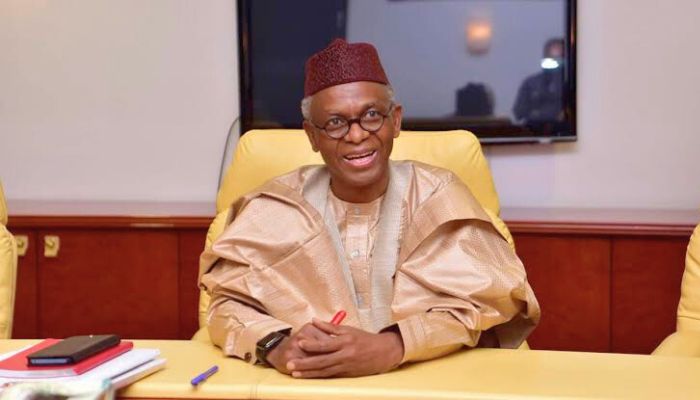
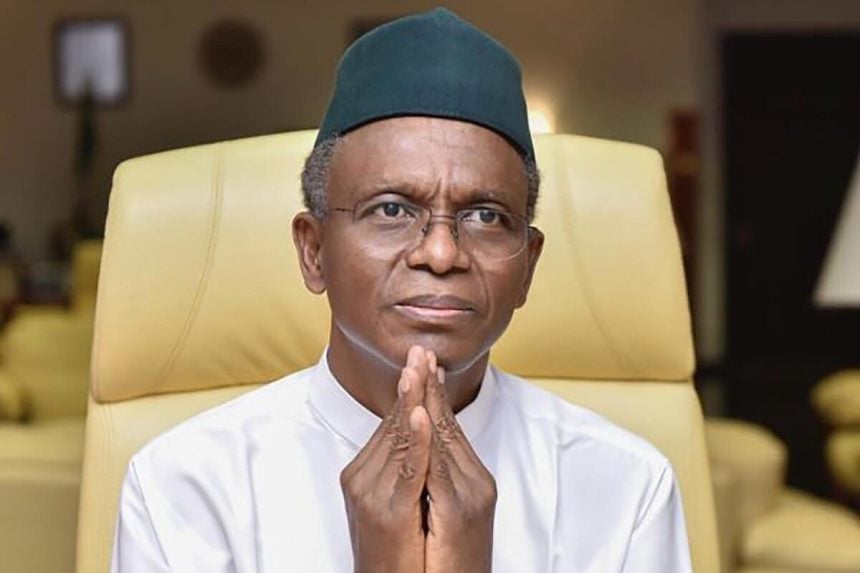
In a high-tension standoff at the Nnamdi Azikiwe International Airport, Abuja, former Kaduna State Governor Nasir El-Rufai successfully resisted an attempted arrest by security operatives on Thursday.
The incident, which occurred shortly after El-Rufai disembarked from an Egypt Air flight from Cairo, underscores the deepening “asymmetric threats” facing political opposition figures in Nigeria’s current transition toward a $1 trillion GDP and the 2027 electoral cycle.
According to his media aide, Muyiwa Adekeye, security agents approached the former governor and attempted to take him into custody without presenting a formal warrant or invitation. El-Rufai reportedly declined to comply, citing his constitutional rights and insisting on a legitimate legal process.
During the ensuing “logistics bottleneck” at the terminal, operatives allegedly seized El-Rufai’s international passport from one of his aides. The situation escalated until ordinary citizens and supporters at the scene surrounded the former governor, forming a protective ring that allowed him to “slip the net” and exit the airport safely.
From a macroeconomic perspective, the attempted detention of a high-profile political figure like El-Rufai who recently defected from the APC to the African Democratic Congress (ADC) raises concerns about the “stability of the policy” and the “security of the person.”
Analysts suggest that such displays of raw executive power can create a “legitimacy gap,” potentially deterring foreign investors who prioritize the “rule of law” and “fiscal health” over political volatility. For an economy striving for “technological sovereignty” and industrial growth, maintaining a transparent and predictable legal environment is a critical prerequisite.
Historically, El-Rufai has been a vocal critic of the current administration’s “cost of doing business” and its approach to national security. His legal team, led by Ubong Esop Akpan, has condemned the airport incident as “executive overreach” and a “flagrant violation of constitutional rights.”
The defense noted that El-Rufai had already committed to voluntarily appearing at the EFCC office on Monday, February 16, 2026, to address pending inquiries, making the attempted airport arrest an “arbitrary conduct” that undermines procedural integrity.
The fiscal implications of increasing political friction are significant. As the 2026 fiscal year progresses, the focus remains on whether the government can balance its “security of the mandate” with the need for a “pluralistic” and inclusive political space.
The detention of several of El-Rufai’s associates in Kaduna has further fueled allegations of “political intimidation,” suggesting that the “infrastructure of distribution” for justice may be undergoing a “digital regression” toward older, more coercive methods.
Ultimately, the airport clash serves as a vital indicator of the “human capital” risks inherent in Nigeria’s current political climate. For the nation to achieve its long-term economic goals, it must ensure that the “security of transit” for its citizens regardless of political affiliation is protected.
As El-Rufai prepares for his scheduled Monday appearance, the focus shifts to the judiciary’s role as the “ultimate arbiter” in preserving the sanctity of the law and the “democracy dividend” for all Nigerians.


Related to this topic:
El-Rufai Suffered Overnight Nosebleed in Custody, Aide Says