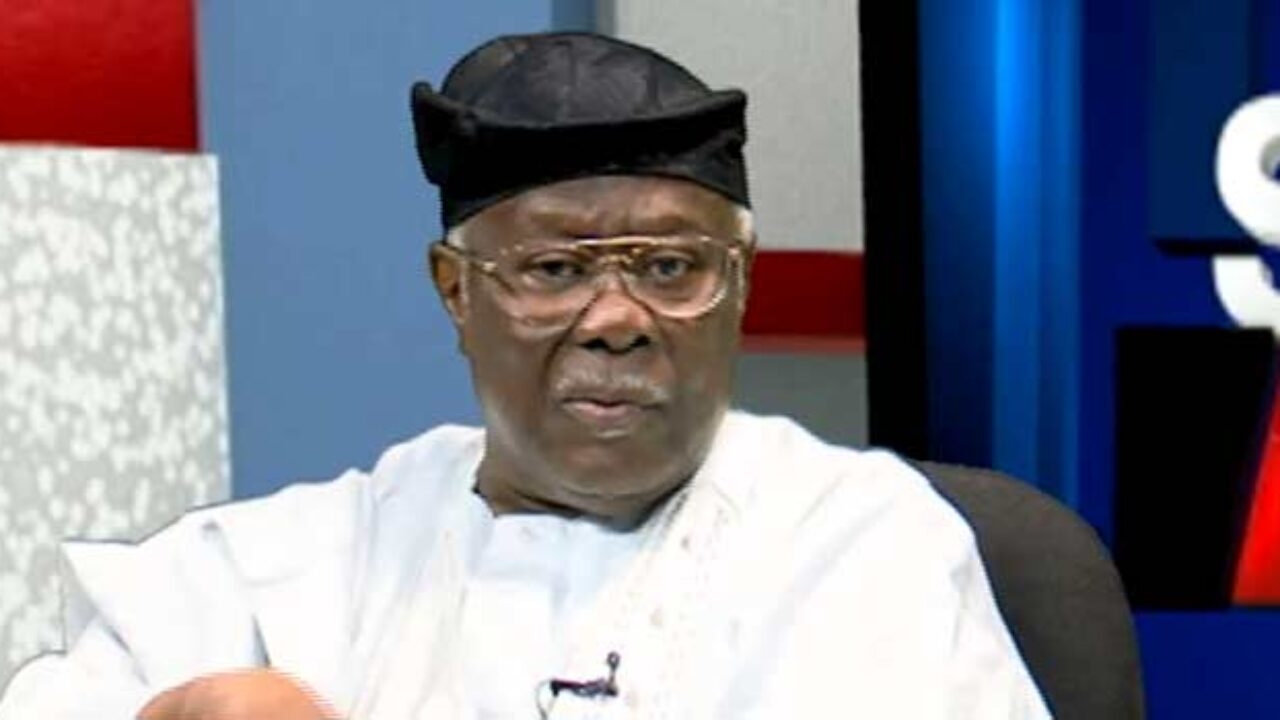

Rev. Ezekiel Dachomo: Daily Times Person of the Year 2025 – The Unbowed Prophet of Nigeria’s Middle Belt Bloodlands

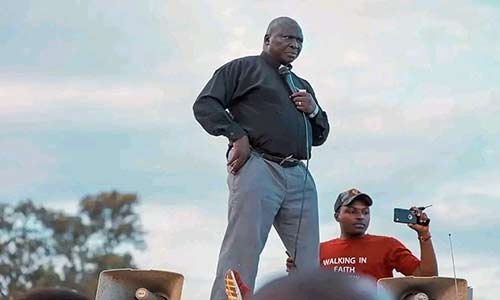
Under a sky heavy with the smoke of smouldering farmlands, Rev. Ezekiel Dachomo gripped the microphone at a rain-lashed rally in Jos this year and unleashed a verdict that has echoed from the hills of Plateau to the halls of the United Nations: “This is not reprisal—it’s genocide against Christians, and the government lies to cover it up.”
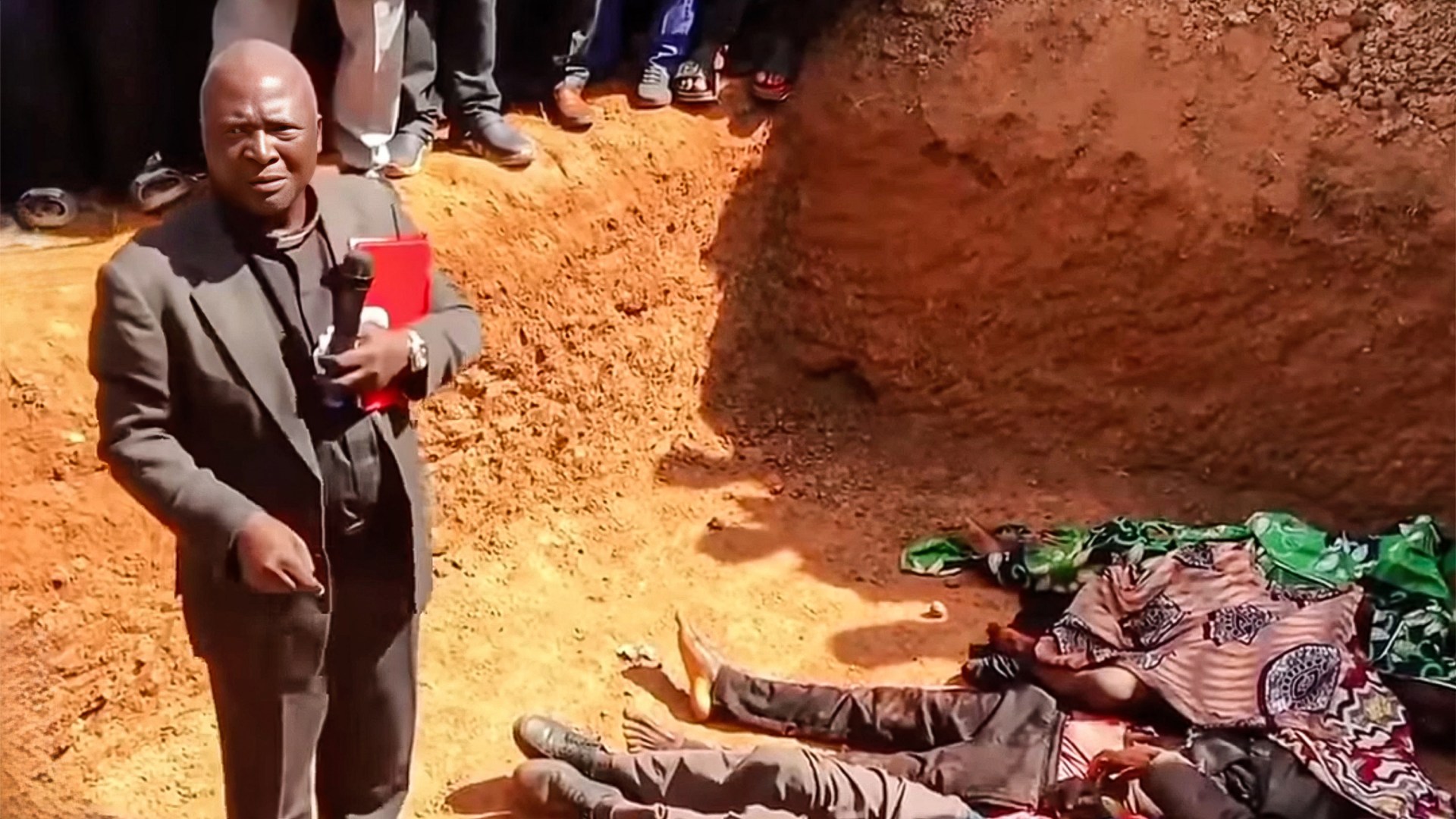
The crowd, a sea of weary faces scarred by loss, erupted as he spoke, their chants drowning out the distant wail of sirens. Blood-soaked fields in Bokkos Local Government Area stretched like open wounds beneath Plateau’s jagged peaks, testament to over 200 lives snuffed out in coordinated attacks between 2024 and 2025 alone.
It is for this raw, unfiltered defiance – standing tall in the face of death threats, including a reported Boko Haram bounty on his head – that Daily Times names Rev. Ezekiel Dachomo our “Person of the Year 2025.”
In a nation gripped by insecurity, where the Middle Belt bleeds quietly while headlines chase louder crises, Dachomo embodies the region’s indomitable spirit, a prophetic voice refusing to be silenced amid what he calls a ‘systematic extermination of its Christian farming communities.’ This is no mere accolade. It is a spotlight on a man whose sermons have gone viral, whose petitions have rattled international courts, and whose courage has forced Nigeria’s fractured discourse to confront the elephant in the room: the relentless farmer-herder violence that has claimed thousands since 2014, disproportionately targeting Christian villagers in Benue, Plateau, and Kaduna states.
Daily Times elevates Dachomo for his singular role in amplifying the cries of the forgotten. Dachomo’s story is the Middle Belt’s story: one of survival against orchestrated oblivion.
Born on April 11, 1962, in the rustic embrace of Barkin Ladi, Plateau State, Ezekiel Bwede Dachomo did not set out to be a firebrand. He was a rural pastor, tending to the flock of the Church of Christ in Nations (COCIN), where he eventually rose to regional chairman. His early ministry unfolded against a backdrop of simmering tensions, but it was the terror documented by SBM Intelligence as far back as 2014 that forged him into steel. That seminal report, “Terror in Nigeria’s Food Basket,” laid bare the onslaught: armed groups ravaging Benue, Plateau, and Kaduna, killing hundreds, displacing thousands, and turning fertile plains into killing fields.
Farms burned, harvests vanished, and communities that sustained Nigeria’s breadbasket crumbled under waves of attacks often dismissed as “clashes.”
By 2018, the violence had escalated into a pattern Amnesty International would later describe as targeted killings, with over 5,000 Christian deaths logged since 2016. Dachomo watched as neighbours buried their dead in shallow pits, as children orphaned by midnight raids swelled church pews seeking solace. “I could not preach salvation while death danced outside,” he later recounted in a sermon that clocked millions of views.
The timeline of horror is merciless. Data paints a grim chronology: from 2014’s initial spikes – over 300 fatalities in Benue alone – to the post-2023 election surges that saw Q1 2025 claim more than 2,000 lives across the Middle Belt, according to cross-verified figures from SBM and EiE Nigeria.
In November, after a fresh wave of Plateau killings, he stormed Abuja with a dossier: 501 named victims from Gamboru and surrounding villages, complete with photographs of mass burials in Heipang – 17 coffins in a single grim procession.
“They kill you, nail you, shake your blood—501 people. It’s an agenda,” he thundered in a Channels TV interview, his voice cracking not with fear but fury. He vowed to drag the Nigerian government and Miyetti Allah Cattle Breeders Association to the International Criminal Court (ICC), presenting petitions laced with eyewitness affidavits, satellite imagery of razed settlements, and survivor testimonies.
To his congregants, he issued a biblical mandate: arm yourselves for self-defence, for security forces are “compromised.” Videos of these sermons exploded online, shared by diaspora networks from the U.S. to the UK, drawing rebukes from herder groups but also rare federal acknowledgments.
U.S. Congressman Riley Moore even raised alarms in Congress, warning of consequences if threats against Dachomo – including ‘fatwas’ from embedded extremists – went unchecked. This advocacy pierced the fog of denial. Where official narratives framed the violence as “resource conflicts” – herders seeking pasture amid climate stress and farmer expansion – Dachomo insisted on the ethnic and religious calculus. Amnesty International and Human Rights Watch reports buttressed his claims: patterns of selective targeting, with churches burned, Christmas Eve raids, and survivors recounting attackers chanting jihadist slogans.
The Christian Association of Nigeria (CAN), often cautious, offered support with caveats, urging dialogue even as its president acknowledged the “disproportionate toll on believers.” Yet opposition mounted swiftly. Miyetti Allah spokespersons, in a November 2025 riposte, branded Dachomo’s genocide label “propaganda engineered for foreign aid and sympathy.”
“No one is planning to kill you,” they retorted in a Daily Post statement, flipping the script to claim pastoralists endure “systematic killings” by vigilante farmers. Federal defence headquarters echoed this, citing stats that minimised ethnic targeting and emphasised reprisals – a herder killed here, a cow rustled there, spiralling into tragedy. Northern governors and Muslim clerics piled on, decrying “mutual violence” and demanding proof of threats against the reverend.
These counter-narratives, while underscoring real herder grievances like livelihood erosion, falter under scrutiny. Pro-Dachomo voices – from Ortom’s position to Mutfwang’s pleas after 52 Bokkos deaths in March 2025 – marshal evidence of premeditation: attackers arriving in coordinated convoys, evading checkpoints, vanishing into forests afterward. The Open Rights for All (ORFA) coalition cited 55,000 Fulani militia incursions, but neutral observers like HRW note the asymmetry: Christian farming communities, static and defenceless, bear the brunt, with over 200,000 displaced in Plateau alone since 2023. Federal statistics, often opaque, clash with on-ground realities; Defence HQ reports “hundreds” dead annually, yet morgues in Jos overflow with unidentified corpses. Miyetti Allah’s denials ring hollow against footage of armed herders justifying invasions on Channels TV, framing farmers as interlopers on “ancestral grazing routes.”
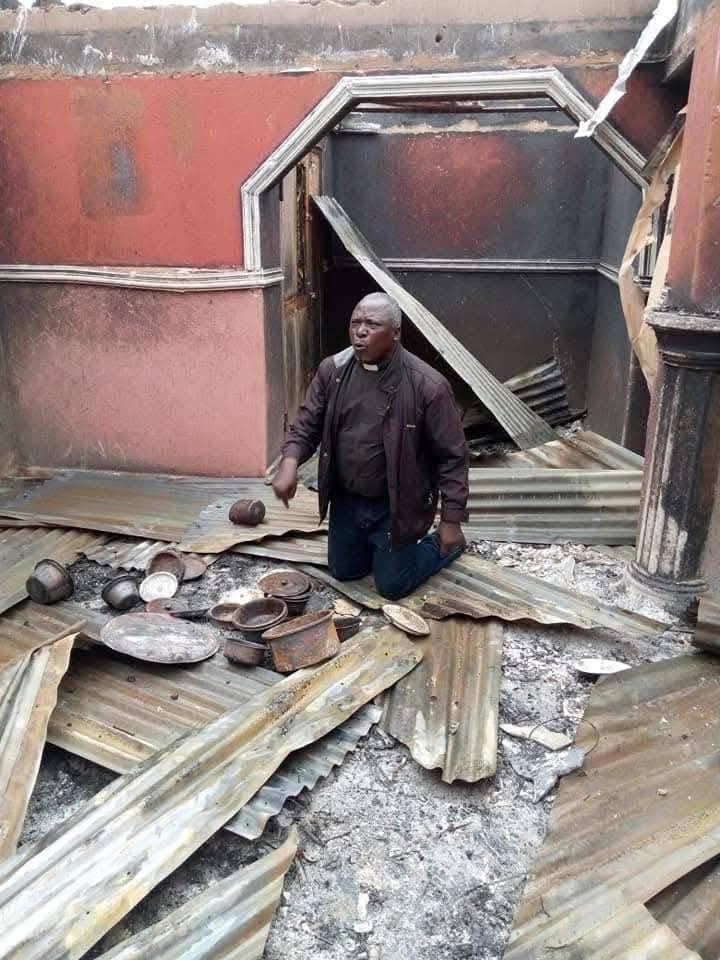
In this cacophony, Dachomo stands unbowed, his narrative humanising the statistics: the widow in Gashish who lost seven children, the elder in Kwahu whose farm fed Abuja markets until torched.
The impact ripples beyond rhetoric. Dachomo’s outcry catalysed state emergencies in Benue and Plateau, spurring anti-grazing enforcements and vigilante trainings despite legal perils.
Diaspora activism surged, with Middle Belt groups lobbying UN human rights bodies and ICC preliminary examiners. Internationally, his petitions amplified calls for sanctions, echoing global scrutiny of Nigeria’s security lapses under President Bola Tinubu’s administration.
Domestically, it forced debates in the National Assembly, where bills for ranching models gained traction amid 2025’s post-election volatility. Even as threats mount – anonymous calls, torched church annexes – Dachomo’s vision endures: justice at The Hague, where “the government can prove us wrong.”
The Middle Belt finds in him not just a pastor, but a beacon. Farmlands may lie fallow, but seeds of resistance sprout.
This honour from Daily Times underscores our mandate: to amplify truth-tellers in a polarised landscape where media often tiptoes around power. Like Martin Luther King Jr. marching against Southern sheriffs, or Desmond Tutu staring down apartheid, Dachomo risks all for the voiceless.
As 2025 closes with fresh Bokkos flares, Nigeria must heed: ignore the prophet at peril. The blood cries out, and Ezekiel Dachomo ensures it is heard.