
Reps Panel Summons Ibadan, Jos Discos’ MDs Over Power Sector Probe

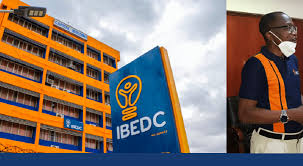
The House of Representatives Ad hoc Committee investigating Nigeria’s power sector reforms and expenditure between 2007 and 2024 has summoned the Managing Directors of Ibadan Electricity Distribution Company (IBEDC) and Jos Electricity Distribution Company (JEDC) over their failure to appear before it on Thursday.
Chairman of the committee, Hon. Al-Mustapha Ibrahim, expressed strong dissatisfaction with the absence of the chief executives, describing it as a direct affront to the ongoing legislative investigation into the country’s electricity crisis.
Ibrahim said the committee was set up to interrogate the persistent challenges in the power sector, which have continued to hinder national development despite over a decade of privatisation.
“There is no way we can move forward without hearing directly from the Managing Directors,” he said. “We want them to tell Nigerians who they are, what they do, the investments they have made, and how they have utilised various government interventions in the power sector.”
He noted that while issues relating to electricity generation and transmission had been examined in earlier sessions, distribution companies remained critical stakeholders whose performance had the most direct impact on electricity supply to consumers.
The chairman recalled submissions by the Transmission Company of Nigeria (TCN), which revealed that the country has never generated up to 13,300 megawatts of electricity, with peak generation hovering around 10,000 megawatts, despite a transmission capacity of about 7,000 megawatts.
“The big question is why Nigerians are still in darkness,” Ibrahim said. “Discos must explain why communities and individuals are still forced to buy transformers and other infrastructure that should ordinarily be their responsibility.”
Officials who appeared on behalf of the Ibadan and Jos Discos failed to provide satisfactory explanations for the absence of their Managing Directors and could not present formal letters authorising their representation.
The committee unanimously rejected the delegation, insisting that only the chief executives could adequately respond to the issues raised.
Following deliberations, Hon. Olajide Mohammed (Oyo State) moved a motion to adjourn the hearing to February 5, directing the affected Discos to reappear with their Managing Directors to defend their submissions and explain their investment profiles, infrastructure development, and utilisation of intervention funds.
“We want to hear from the horse’s mouth. Nigerians are suffering across the country, and this is not an issue we can continue to treat lightly,” Mohammed said.
The motion was amended by Hon. Abubakar Jajere (Yobe State), who called for the invitation of core investors in the Discos, citing what he described as a pattern of disregard for the committee’s summons.
“We have already set a precedent that agencies invited must be represented by their chief executives,” Jajere said. “If the Discos continue to respond negatively, then we should invite their core investors. That way, accountability will be enforced.”
Upholding the amended motion, Ibrahim warned that continued non-compliance would attract the full legislative powers of the House.
“If they continue to evade this investigation, it raises serious questions about their capacity, commitment and ability to deliver effective power supply after 13 years of privatisation,” he said.
The committee adjourned proceedings to February 5, reaffirming its resolve to uncover the root causes of Nigeria’s electricity crisis and enforce accountability in the power sector.


EFCC Indicts Banks, Fintechs In N162bn Scams
Related to this topic:

Eniola Badmus Threatens To Sue Over Prostitution Allegations