

Reps Launch Probe of Tax Waivers, Incentives as Nigeria Forfeits N8trn Annually
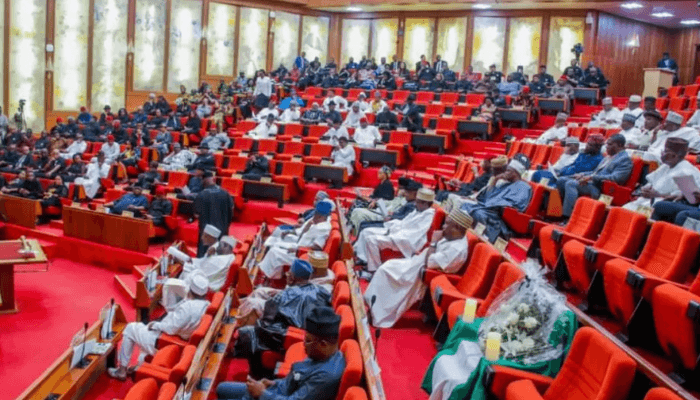
The House of Representatives has commenced a structured review of the administration and impact of tax incentives, export incentives, waivers, exemptions and other fiscal support instruments granted by the Federal Government between 2015 and 2025.
Chairman of the 19 member Ad-hoc Committee, Hon. James Faleke said that the exercise is aimed at addressing revenue leakages and strengthening fiscal transparency in the country.
The committee was constituted in November 2025 following the adoption of a motion by the House to investigate revenue losses arising from the administration of various incentives and recommend appropriate policy and legislative reforms.
According to Faleke, available data indicates that Nigeria loses an estimated ₦8 trillion annually to waivers and concessions granted under different fiscal support schemes.
He further revealed that between 2023 and 2026, the Federal Government projects total revenue forgone from tax incentives at ₦12.4 trillion, while Nigeria’s tax to GDP ratio remains at 10.6 per cent, one of the lowest in Africa.
Describing the situation as paradoxical and concerning in view of the nation’s fiscal and development challenges, Faleke said the new tax regime provides an opportunity for the country to reassess and strengthen its revenue framework.
He explained that although the incentives were originally designed to stimulate investment, promote exports, support strategic sectors and drive economic growth, the House deemed it necessary to evaluate their implementation and actual economic impact.
The committee, he said, will assess whether the incentives were administered transparently and in line with due process, and determine if government support under these schemes has delivered measurable value to the Nigerian economy.
Faleke disclosed that the review would be conducted in phases, with the first phase focusing on four priority areas, the Export Expansion Grant (EEG), the RT200bn FX Programme, the Pioneer Status Incentive and selected oil and gas fiscal incentives due to their significant fiscal implications.
He assured stakeholders that the exercise is not a witch hunt but part of the House’s oversight responsibility, adding that the committee has requested records from relevant Ministries, Departments and Agencies and will provide periodic updates as the review progresses.



Related to this topic: