
Protect Biodiversity for Food Security, Sustainable Growth, Experts Urge Nigeria

Experts have identified Nigeria’s rich biodiversity and ecosystems as critical to global environmental health and national development, urging stronger protection to boost food security and sustainable growth.
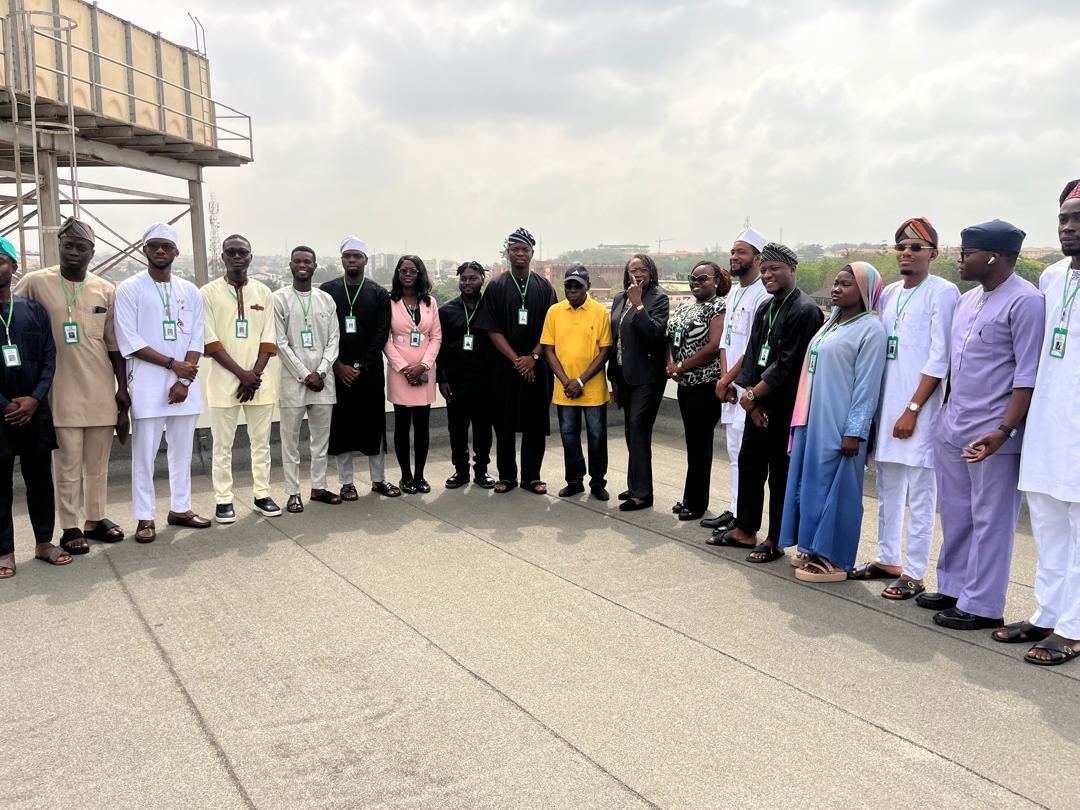
The call was made during the validation and inauguration of Multi-Stakeholder Platforms and the Biodiversity Needs Assessment Study on Conservation of Biodiversity and Sustainable Use of the Lowland Forest Mosaic Landscape in Ogun and Edo states, held in Abeokuta.
The event was organised by the Nigerian National Park Service in collaboration with the Food and Agriculture Organisation and the Global Environment Facility under the GEF-7 Project.
Speaking at the event, the Chief Technical Adviser for the GEF-7 Project, Prof. Segun Oladoye, said Nigeria’s biodiversity supports key sectors such as agriculture, water, health, tourism and industrial development.
He noted that Nigeria possesses some of the richest flora and fauna biodiversity in Africa, with ecosystems ranging from semi-arid savanna in the North to lowland rainforest in the Niger Delta.
According to him, the country hosts over 864 bird species, 117 amphibian species, 203 reptile species, more than 775 fish species, 285 mammal species and over 4,715 plant species. However, many are threatened by habitat loss, pollution, unsustainable practices and climate change.
Oladoye explained that the GEF-7 Biodiversity Project would focus on integrated landscape planning, conservation, sustainable practices and knowledge management to protect biodiversity while supporting communities.
The GEF-7 National Programme Coordinator, Mr Lawrence Osaze, said the initiative reflects a shared commitment to inclusive participation and collaboration in biodiversity management.
He added that the multi-stakeholder platform would drive dialogue and partnerships among government, communities, civil society and the private sector to ensure long-term sustainability.
Also speaking, Prof. Tayo Oyelowo of the Forestry Research Institute of Nigeria said biodiversity-friendly production promotes systems that protect and restore life at genetic, species and ecosystem levels while producing food, fibre and timber.
Mrs Lydia Ameh emphasised the need to integrate gender and inclusion into biodiversity initiatives, noting that women possess vital indigenous ecological knowledge.
Dr Ralph Adewoye urged Ogun State to adopt Integrated Land Management as a development strategy, calling for coordinated planning and data sharing to safeguard forest resources.
In her goodwill message, the Ogun State Commissioner for Women Affairs, Motunrayo Adeleye, represented by Mrs Olayemi Osilaja, stressed the need to educate and involve women in the project, describing monitoring as key to its success.