

President Tinubu Signs Electoral Act 2026, Emphasizing Hybrid Results Management
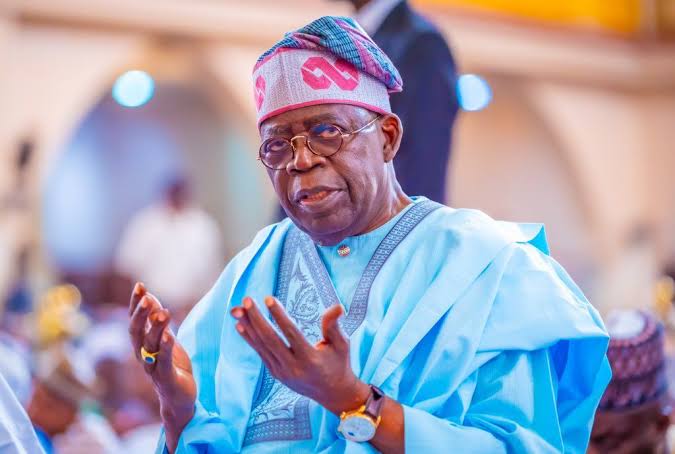
President Bola Ahmed Tinubu officially signed the Electoral Act (Amendment) 2026 into law on Wednesday, February 18, 2026, marking a significant shift in Nigeria’s legal framework ahead of the 2027 general elections.
During the signing ceremony at the Presidential Villa, the President underscored that while the new law mandates electronic transmission of results, it does not replace the manual collation process.
He emphasized that technology must serve as a supportive tool to prevent technical glitches rather than a total substitute for human-managed transparency, noting that the integrity of the process ultimately rests on the people who manage and announce the results.
The passage of this amendment follows a period of intense national debate regarding the mandatory real-time electronic transmission of polling unit results.
While civil society organizations and opposition figures advocated for a strictly digital path to eliminate manipulation, the final version of the Act adopts a hybrid system.
This approach mandates that results be uploaded to the INEC Result Viewing Portal (IReV) but preserves the physical EC8A form as the primary legal source for collation.
Proponents of this hybrid model, including the Senate leadership, argue that it addresses practical concerns regarding weak telecommunications infrastructure in remote areas while still providing a digital trail for public verification.
Key administrative changes introduced by the 2026 Act include a significant adjustment to the election timeline. The notice period for elections was reduced from 360 days to 300 days, a strategic move intended to provide the Independent National Electoral Commission (INEC) with logistical flexibility.
This adjustment is particularly relevant for the 2027 cycle, as it allows for the rescheduling of presidential and National Assembly polls to January to avoid an overlap with the Ramadan fast and Lenten observances. Speaker Abbas Tajudeen noted that these changes are designed to safeguard voter turnout and ensure the inclusivity of the democratic process.
Despite the President’s commendation of the legislative process, the new law has faced sharp criticism from some quarters. Former Resident Electoral Commissioner Mike Igini warned that retaining manual collation as a primary backup could create legal loopholes and endanger ad-hoc staff.
Speaking on Arise Television, Igini described the amendment as a potential “recipe for chaos” and called on the judiciary to remain vigilant in defending the sanctity of the ballot.
As the 2027 timetable begins to take shape with Presidential and National Assembly elections set for February 20 and Governorship polls for March 6 the focus now shifts to INEC’s ability to implement these complex reforms without the technical failures that have plagued previous cycles.



Related to this topic:

Tinubu Removes Egbetokun, Appoints Tunji Disu as New IGP