
PENGASSAN Faults 30 Per Cent Oil Revenue Claim, Seeks PIA Review
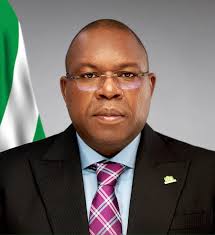
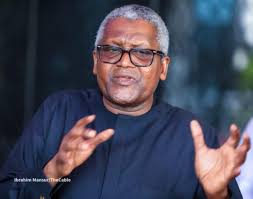
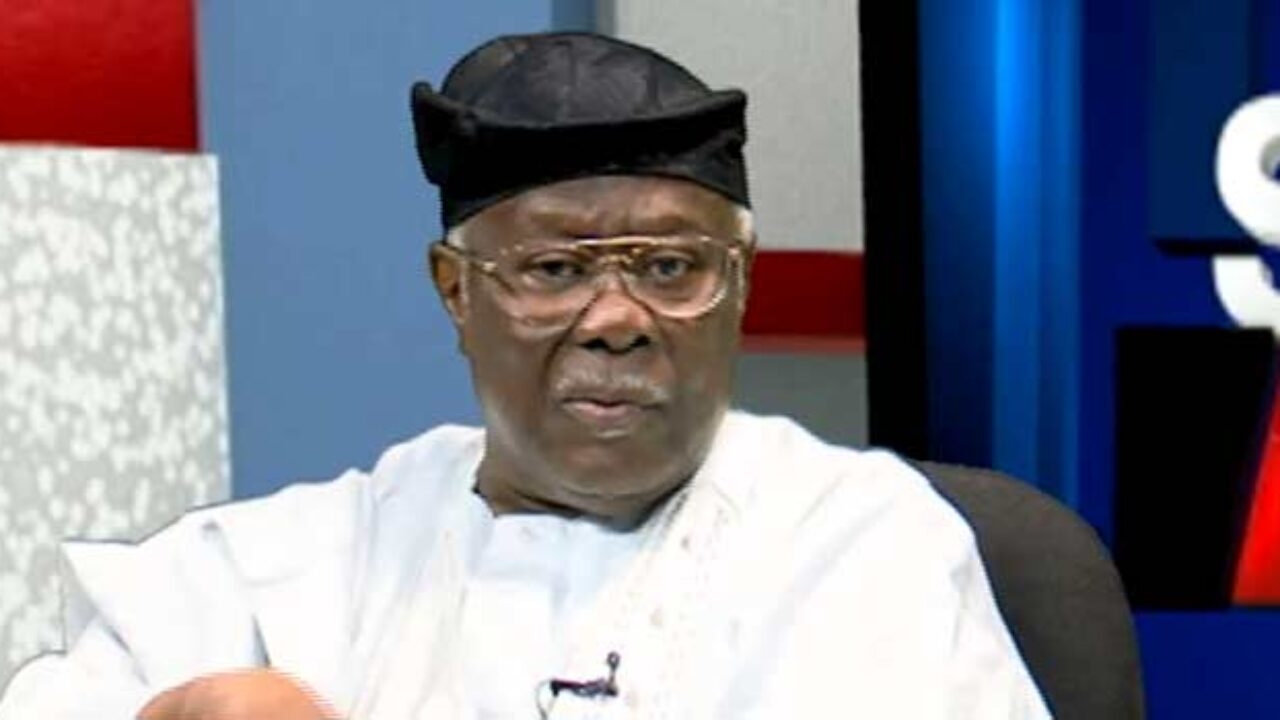
The President of the Petroleum and Natural Gas Senior Staff Association of Nigeria (PENGASSAN), Festus Osifo, has criticised the Federal Government’s recent executive order on oil revenue. He described claims that 30 per cent of petroleum sharing contract revenue would be deducted as misleading.
Osifo spoke during an interview on Arise TV on Friday. He said the figure being referenced does not represent the gross revenue accruing to the Nigerian National Petroleum Company Limited (NNPC Ltd). Revenues from production sharing contracts are subject to deductions such as royalties, taxes, and cost recovery before arriving at profit oil or profit gas.
“When you get revenue from PSC, you have to make some deductibles. You deduct royalties, taxes, and cost recovery. Once you have done that, you now have what we call profit oil or profit gas. Then that is where you now deduct the 30 per cent,” Osifo explained.
He added that when deductions are properly accounted for, the 30 per cent deduction is actually about two per cent of total revenue from production sharing contracts. “In effect, that deduction is about two per cent of the revenue of the PLCs,” he said.
Osifo warned that removing this portion of the revenue could affect NNPC Ltd’s operations. The funds are used to meet salary obligations and other internal expenses. “That two per cent is what NNPC uses to pay salaries and meet some of its obligations. Removing it raises questions on how they will manage internally,” he said.
He also cautioned that the executive order could undermine investor confidence. “If the international community and investors lose confidence in Nigeria, it will affect investment in the sector,” Osifo said.
The PENGASSAN president urged President Bola Tinubu to withdraw the executive order. He argued that it undermines the Petroleum Industry Act (PIA) and sets a troubling precedent. Any amendment to existing laws, he said, must go through the National Assembly.
“Yes, that is what should be done from the beginning. You can review the laws of a land. There is no perfect law,” he said.
Osifo recommended that the President set up a team to review the PIA, identify strengths and weaknesses, and forward proposed amendments to lawmakers. He added that stakeholders, including labour unions and industry operators, should have the opportunity to make contributions during the amendment process. “That is how laws are refined,” he said.