
Ojulari denies political ambition, faces backlash over refinery plans
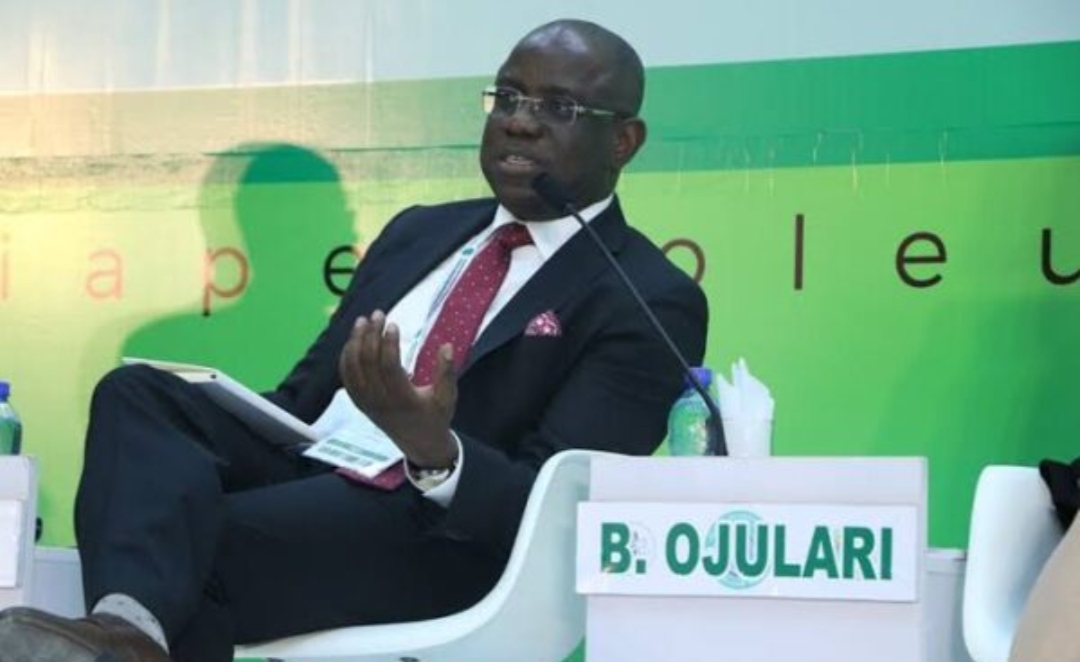
Bayo Ojulari, Group Chief Executive Officer of the Nigerian National Petroleum Company Limited (NNPCL), has dismissed suggestions of political ambition, insisting his focus remains on reforms to revive Nigeria’s struggling oil and gas sector.
Speaking on Thursday while receiving a delegation of the Petroleum and Natural Gas Senior Staff Association of Nigeria (PENGASSAN), led by its president, Festus Osifo, at the NNPCL headquarters in Abuja, Ojulari said:
“I am not hiding from anybody. I am not a politician. I will have to learn a bit more about politics, but for me, it is a development plan, and I am ready to learn.”
He disclosed that the company was working to return moribund refineries to full operation, with plans to adopt the Nigeria Liquefied Natural Gas (NLNG) model.
Ojulari also alleged threats to his life and those of some members of the company’s management, claiming “powerful interests” were plotting to unseat him.
“My major offence is the reforms I introduced in the oil and gas sector, in line with President Bola Ahmed Tinubu’s directive to revive the country’s ailing refineries,” he said.
Despite what he described as intimidation, Ojulari maintained that he remained committed to ensuring the success of the refinery rehabilitation plan.
He added that the Port Harcourt Refinery had been losing between N300m and N500m every month before rehabilitation works at the facility were suspended.
But in a statement on Friday, the Hoscom Bulk Petroleum Retailers of Port Harcourt Refinery faulted Ojulari’s remarks, accusing him of working against public interest.
“This statement has vindicated stakeholders in the oil and gas sector who earlier suspected that the GCEO of NNPCL was working in favour of a private refinery at the expense of the nation-owned refinery,” the group said.
They argued that shutting down government-owned refineries effectively removes a key price stabiliser, “allowing private refineries to dictate the market” and undermining the very purpose of state-owned facilities.



Related to this topic:

Tinubu Approves ₦712bn Overhaul of Lagos Airport