
Odinkalu questions FG’s shift from ‘Bandits’ to ISIS narrative in North- West
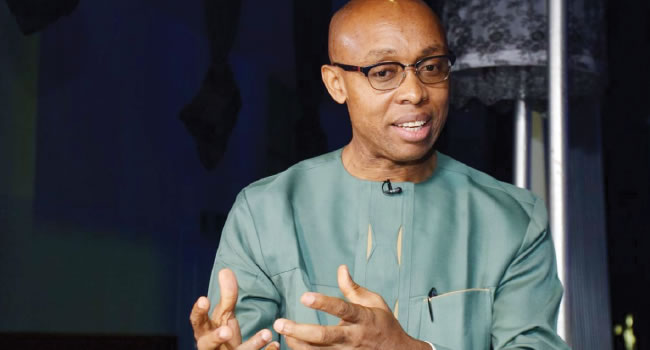
Human rights lawyer and former Chairman of the National Human Rights Commission, Prof. Chidi Odinkalu, has raised alarms over a notable shift in Nigeria’s official narrative regarding insecurity in the North-West, following recent U.S. airstrikes on terrorist positions in the region.
In a post on his X (formerly Twitter) account, Odinkalu noted that Nigeria has historically avoided publicly acknowledging the presence of ISIS in the North-West, preferring instead to describe violent groups as “bandits”—a term that implies disorganised criminal activity rather than structured, ideologically driven terrorism.
“That narrative appears to be changing,” Odinkalu said, citing the U.S. announcement of airstrikes and reports that Nigeria provided intelligence support. He argued that the development signifies official recognition that violent groups in the North-West are structured, ideologically motivated terrorist organisations. Odinkalu further questioned when the Federal Government first became aware of ISIS activity and what actions were taken to counter it.
Social critic Dele Farotimi also weighed in, condemning the U.S. strikes as a violation of Nigeria’s sovereignty and a reflection of leadership failure. Farotimi drew parallels to previous incidents where foreign powers, including France under President Emmanuel Macron, allegedly influenced Nigerian military actions in neighboring countries. He accused Nigeria’s leaders of failing to assert national independence, leaving the country vulnerable to unilateral foreign interventions
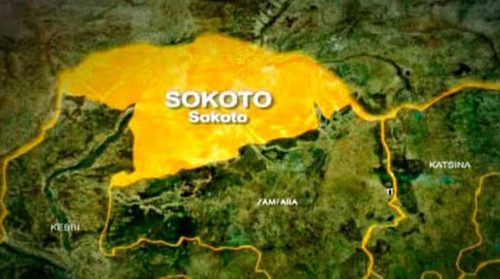
The Big Tent Coalition, led by Prof. Pat Utomi, slammed the federal government for its contradictory stance on foreign military involvement. The coalition highlighted that while the Presidency had previously criticized Peter Obi for suggesting conditional U.S. assistance in Nigeria, it now officially endorsed American airstrikes against ISIS-linked targets in Sokoto State.
Charles Odibo, Director of Media and Communication for the coalition, described the government’s actions as hypocritical and symptomatic of poor communication and lack of strategic clarity. The coalition urged President Bola Ahmed Tinubu to apologize to Peter Obi, streamline government communication on security issues, and personally brief Nigerians on the nature of foreign security cooperation.
Meanwhile, media entrepreneur Chief Dele Momodu criticized the government’s delayed response to the U.S. operation, describing the announcement as “foggy and brief” and questioning why Nigeria’s leadership did not provide timely updates.
Momodu called on President Tinubu, whom he referred to as the nation’s “Master Strategist,” to take active responsibility and assert Nigeria’s sovereignty in the fight against terrorism, stressing the importance of public confidence and transparent communication during such critical developments.



Related to this topic: