

NIPRD Trains 50 Young Scientists to End Medicine Dependency
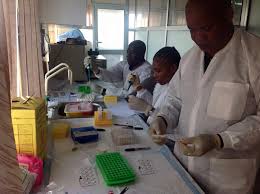
The National Institute for Pharmaceutical Research and Development (NIPRD) has launched a vital initiative to bolster Nigeria’s healthcare sector. The agency recently trained 50 young scientists. This program focuses on enhancing medicine security and local manufacturing capacity. By doing so, NIPRD aims to reduce the nation’s heavy reliance on imported pharmaceutical products.
Building Local Expertise
The Director-General of NIPRD, Dr. Obi Adigwe, led the training session. He emphasized that the program provides the “liquidity of opportunity” for the next generation of researchers. These scientists learned advanced techniques in drug discovery and development. Moreover, they explored ways to utilize local raw materials. This shift is a critical move toward achieving “technological sovereignty” in the health sector.
Strengthening the Social Contract
From a macroeconomic perspective, this investment acts as a “macro-stabilizer” for the economy. It creates a robust “infrastructure of distribution” for medical knowledge. Furthermore, it helps close the “legitimacy gap” in local healthcare delivery. Historically, Nigeria has imported over 70% of its medicines. Therefore, this training serves as a prerequisite for long-term “fiscal friction” reduction in healthcare spending.
Ensuring Verifiable Results
The fiscal implications of this mandate are significant for the 2026 cycle. NIPRD is pushing for a “financing rethink” regarding pharmaceutical research. Consequently, the institute wants to see more “operational realism” in how Nigeria handles its health security. This training ensures the “verifiability of results” in local drug production. Additionally, it protects the “security of the person” by ensuring access to safe and affordable medicines.
Fostering Industrial Growth
Ultimately, the initiative supports the broader “social contract” between the government and its citizens. It provides a “democracy dividend” through better health outcomes. Furthermore, the program stimulates the “rate of uptake” for local innovations. As these 50 scientists enter the workforce, they will strengthen the “security of the mandate” to industrialize Nigeria’s pharmaceutical landscape.