
Nigeria’s insecurity is planned, not accidental -Ayo Opadokun
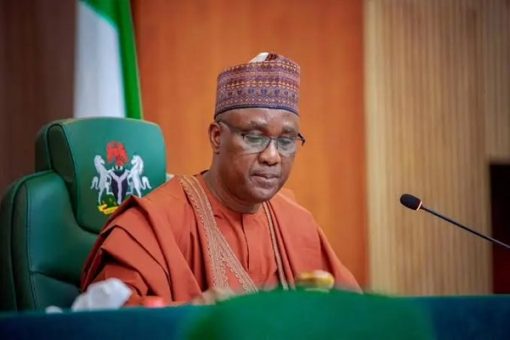
Former secretary general of the pan Yoruba organization, the Afenifere and the NADECO chieftain, Pa Ayo Opadokun, has said that the spate of insecurity in parts of the country is a planned action by destructive elements and not accidental.
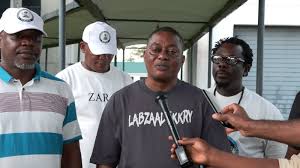
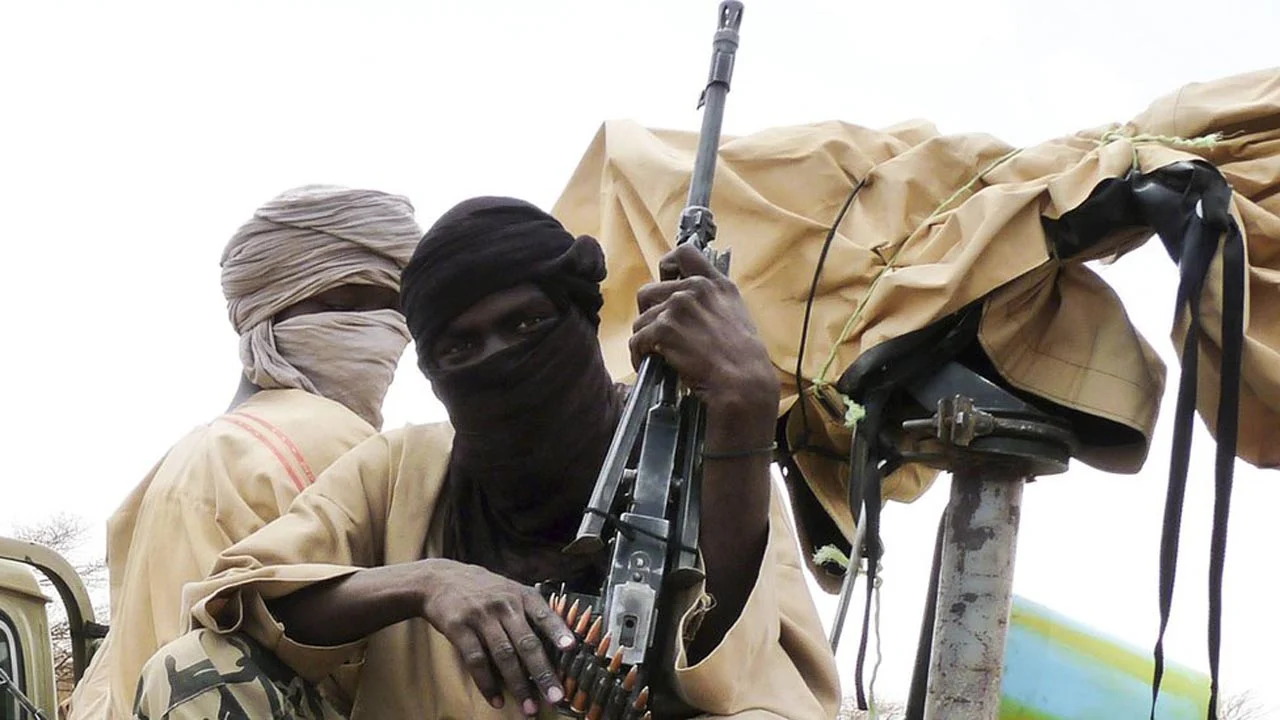
Speaking on the sideline of his installation as the grand patron of the Christian Association of Nigeria (CAN), Offa local government, Kwara state branch on Sunday, Pa Opadokun said that bandits and insurgents are being sponsored by a variety of people.
“Some Nigerians, including agents who want to destabilize Nigeria, and those who don’t want this government, had taken far reaching decisions over and ahead of Nigeria, long time ago”, he said.
The elder statesman, who described the prevalent security situation in the country as worrisome, said that Nigeria government had been warned that a situation where non-state actors were using weapon more sophisticated than the nation’s conventional army was too dangerous to fester. “But they never listened”, he said.
“I can say this without any fear of contradiction from any quarter. I was at Nicon Hilton in August 2022, where there was a four-day powerful meeting of the elements comprising some Nigerians and sahel region structures, planning how to overrun Nigeria. We’re all seeing the outcome now. We all heard what El-Rufai said. So, the current situation is not accidental. It’s a planned thing”, he said.
He then advised that the Federal Government should not relent in its efforts at fighting insurgency, saying that there should be no longer be mercy for bandits and their sponsors.
Ayo Opadokun, who hailed President Bola Tinubu’s boldness on his economic policies, said that “the President is taking a shot at fiscal federalism”.
“Last year, I told you that the tax reforms bill would pass through. The new tax rule is taking a shot at fiscal federalism. By January next year, a large crowd of Nigerians will pay no tax at all. Because they don’t need to. What they are earning is not sufficient for them to take care of their welfare and the state will still be harassing them.
“The new tax rule will affect so many institutions like banks. The banks have been reaping us off. People should appreciate what President Tinubu had succeeded in doing thus far. But he has not reached what we desire.
“As NADECO members, our goal is for Nigeria to return to constitutional governance. This unitarised federal government was foisted on us by politicians in uniforms. Nigeria has not produced its own home grown constitution”.
“Nigeria, as at December 2025, stands at a critical point in its historical journey. The present administration has embarked on far-reaching structural reforms, particularly in the economic sphere, aimed at addressing long-standing systemic weaknesses. These reforms signal a willingness to confront difficult national realities that previous governments often postponed. Today, there are many positive indicators while the book arithmetic indicate positive outlook. But and But, these positive indicators will remain elitist pastimes until they translate to better quality of lives for ordinary Nigerians.
“Given my relationship with President Tinubu, I believe that he will use the remaining part of his first term to translate the positive indicators to realities on the tables and households of Nigerians. His recent directives to the governors are positive indicators of his determination to see his wish respected and acted upon with dispatch to bring relief to our over burdened Nigerians.
“However, it must be stated plainly that the immediate social consequences of these policies have been severe for many Nigerians. Inflation, rising cost of living, declining purchasing power, and pressure on small businesses and fixed-income earners have deepened public hardship. Any honest assessment must acknowledge that the burden of reform has fallen disproportionately on ordinary citizens.
“From a governance perspective, the administration has demonstrated decisiveness and confidence rooted in political experience. Yet, in times of national sacrifice, leadership must also be defined by empathy, transparent communication, and deliberate efforts to carry the people along.
Policies, no matter how well intentioned, gain legitimacy only when citizens understand them and feel protected within the process.
“On security and national cohesion, Nigeria continues to face serious challenges. While efforts have been made to strengthen security structures, many communities still experience fear and uncertainty. Beyond force, national stability requires justice, inclusion, fairness, and continuous dialogue among Nigeria’s diverse peoples.
It is important to emphasize that Nigeria under this administration cannot be reduced to simple labels of success or failure. The nation is in transition. The ultimate measure of this government will not rest solely on the boldness of its reforms, but on how effectively those reforms translate into dignity, opportunity, and hope for the average Nigerian.
“As an elder statesman, I urge restraint in public discourse, patience where necessary, but also accountability at all levels of leadership. Constructive criticism, national unity, and a shared commitment to the common good remain essential if Nigeria is to emerge stronger from this difficult but defining period”.