
Nigeria’s Foreign Reserves Hit $46bn, Highest in 8 Years
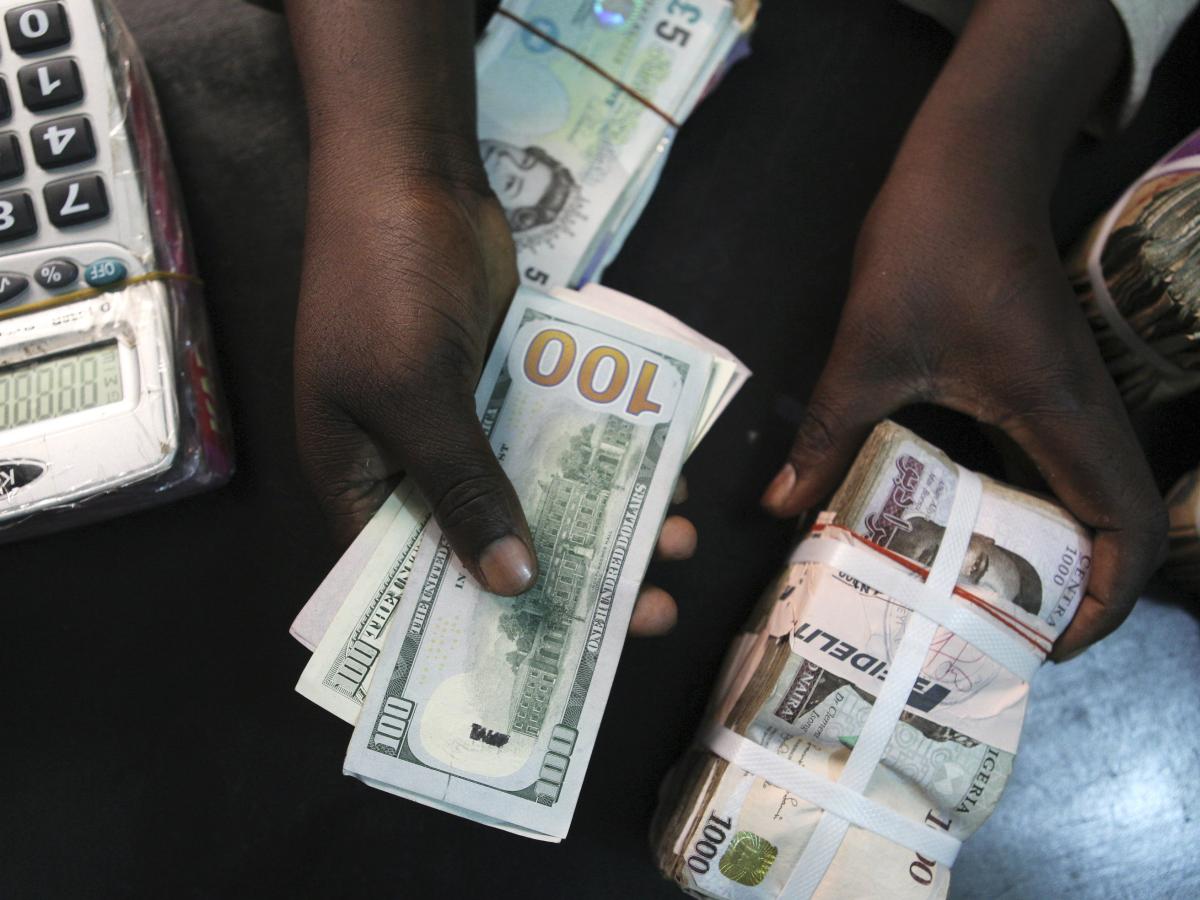
Nigeria’s external reserves have climbed to their strongest level in nearly a decade, hitting $46.012 billion as of January 22, according to fresh data from the Central Bank of Nigeria (CBN).
The milestone, last seen in August 2018, reflects a $510 million increase since December 31, 2025, driven by higher crude oil production, relative stability in commodity prices, and ongoing fiscal reforms.
The reserves, which settled at $45.5005 billion at year-end, have been buoyed by the implementation of the Petroleum Industry Act and a rebound in hydrocarbon receipts. The Nigerian Upstream Petroleum Regulatory Commission (NUPRC) reported that crude oil production, including condensates, averaged 1.64 million barrels per day (mbpd) in 2025, a 5.81 Pper cent rise from 1.55 mbpd in 2024.
Excluding condensates, output rose by 8.21 per cent year-on-year to 1.45 mbpd, underscoring improved operational efficiency across major export terminals.
Terminal-level data revealed robust gains: Forcados output rose 12.08 per cent to 8.56 million barrels, Escravos climbed 3.98 per cent to 4.29 million barrels, Qua Iboe surged 16.69 per cent to 4.42 million barrels, and Bonny delivered the standout performance with a 25.19 per cent jump to 7.41 million barrels.
Brass also posted an 18.04 per cent increase, averaging 1.06 million barrels in 2025. Analysts say these figures highlight the impact of reduced crude theft and pipeline vandalism, which have long plagued Nigeria’s oil sector.
Despite the strong showing, challenges remain. On a month-to-month basis, production slipped by 3.42 per cent in December to 1.54 mbpd, down from 1.60 mbpd in November, affecting foreign receipts.
Moreover, while authorities project output could rise to 2.06 mbpd, OPEC’s cap of 1.50 mbpd for 2026 (excluding condensates) limits Nigeria’s growth potential without fresh, large-scale investments.
Fiscal performance has improved, but borrowings across external and local debt markets remain elevated.
Analysts caution that while reserves at $46 billion provide a stronger buffer for the naira and external trade, sustaining this trajectory will require deeper structural reforms, diversification beyond oil, and renewed investment in large fields.
For now, Nigeria’s reserves surge offers a rare bright spot in the economy, signaling resilience amid global volatility and positioning the country for cautious optimism in 2026. The figures mark not just a statistical milestone, but a renewed sense of stability in Africa’s largest economy.