

Nigeria’s Election Tech Rests on 774 Satellites
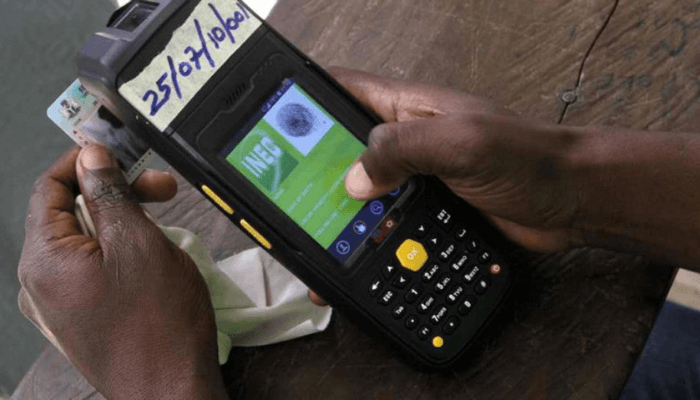
Nigeria’s roadmap toward fully digitized and transparent electoral processes is now heavily anchored on the “Fiber-774” initiative and advanced satellite integration. This strategic infrastructure project is designed to eliminate the “digital divide” and provide the high-speed connectivity required for real-time election result transmission across all 774 Local Government Areas (LGAs). For a nation pursuing a $1 trillion GDP, the integration of this digital backbone is a critical prerequisite for strengthening the “social contract” and ensuring the security of the mandate.
From a macroeconomic perspective, the Fiber-774 project is more than just an electoral tool; it is a macro-stabilizer for Nigeria’s digital economy. Historically, “logistics bottlenecks” and poor internet penetration in rural areas have acted as a “legitimacy gap” for electronic voting systems. By leveraging a hybrid model of terrestrial fiber and satellite technology, the government aims to achieve technological sovereignty, ensuring that the verifiability of results is no longer hindered by geographical barriers.
The fiscal implications of this “electronic election plan” are substantial, requiring a significant “financing rethink” in the 2026 and 2027 budgets. The investment in Fiber-774 is expected to boost human capital by providing rural communities with the same “liquidity of opportunity” found in urban centers. This infrastructure of distribution is vital for the security of the person, as it enables better monitoring of polling units and reduces the “asymmetric threats” of ballot interference through real-time surveillance.
Historically, the push for the INEC Result Viewing Portal (IReV) was limited by inconsistent data flow. However, with the 2026 focus on “operational realism,” the Fiber-774 initiative provides the resilient domestic credit structures needed to fund a nationwide broadband rollout. Analysts suggest that this “digital regression” can only be avoided if the liquidity of the sector is maintained through public-private partnerships that prioritize the “integrity of the outcome.”
As the 2027 electoral cycle approaches, the focus remains on the stability of the policy. The Senate and the executive branch are increasingly aligned on the need for “security of transit” for electoral data. By creating a “pluralistic” connectivity environment combining satellite backups with fiber-optic cables—Nigeria is building an integrated and transparent framework that could serve as a model for the rest of Africa.
Ultimately, the success of the electronic election plan will be a vital indicator of Nigeria’s ability to manage complex infrastructure of distribution challenges. By connecting every LGA through Fiber-774, the government is not just securing votes; it is securing the democracy dividend and paving the way for a more digitized, high-growth economy.