
Nigerians Face Widespread Power Cuts as Gas Maintenance Triggers 935MW Generation Slump
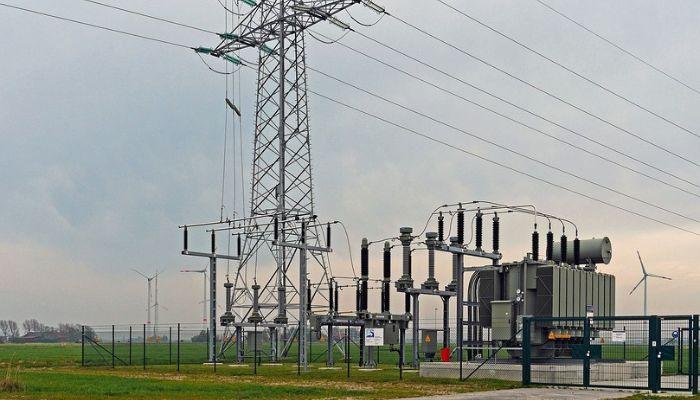
Nigerians are bracing for a significant increase in power outages this week as a major maintenance exercise on critical gas infrastructure has forced a shutdown of nearly 1,000 megawatts (MW) of generation capacity.
This development, which effectively removes 19.67% of the nation’s current available power, represents a substantial disruption for an economy striving toward industrial stability.
The Nigerian Independent System Operator (NISO) issued a formal warning that electricity generation will decline by 934.96MW between February 12 and 15, 2026.
This shortfall is a direct result of routine and mandatory maintenance by Seplat Energy, a vital joint venture partner to the Nigerian National Petroleum Company (NNPC) and a primary supplier to the national gas pipeline network.
Key Impacts and Affected Facilities
The four-day maintenance window is expected to trigger structured load shedding across the federation. According to NISO, several of Nigeria’s largest thermal power stations will face direct supply constraints, including: Egbin Power Plant (1,320MW installed capacity), Azura-Edo IPP, Sapele Power Station, Transcorp Power Plants.
Additionally, facilities such as NDPHC Sapele, Olorunsogo, and Omotosho may experience “indirect constraints” due to network-wide gas balancing effects. While NISO has assured that priority will be given to critical infrastructure and essential services, the majority of households and businesses will likely see a reduction in the “liquidity of the energy supply.”
Macroeconomic and Fiscal Implications
From a macroeconomic perspective, this generation dip underscores the “fragility of the mandate” to provide stable power. Historically, Nigeria’s reliance on gas-fired generation which accounts for over 70% of total supply leaves the national grid exposed to “asymmetric threats” from upstream disruptions. This recurring “legitimacy gap” in energy reliability continues to increase the “cost of doing business,” forcing private entities to rely on expensive diesel and petrol alternatives.
The NNPC has moved to mitigate the impact, stating that NNPC Gas Marketing Limited is actively engaging alternative suppliers to maintain network stability. This “financing rethink” regarding energy security is essential to prevent a “digital regression” in industrial productivity during the maintenance period.
Outlook for Recovery
The maintenance is scheduled to conclude on February 15, with full gas supply and normal generation levels expected to resume on February 16, 2026. For the government, this event serves as a vital indicator of the need for deeper infrastructure reforms and diversified energy sources. Ultimately, achieving “technological sovereignty” in the power sector remains a prerequisite for protecting the “security of the person” and ensuring long-term economic prosperity for over 200 million Nigerians.