Nigeria urges ECOWAS parliament to fast-track AfCFTA laws
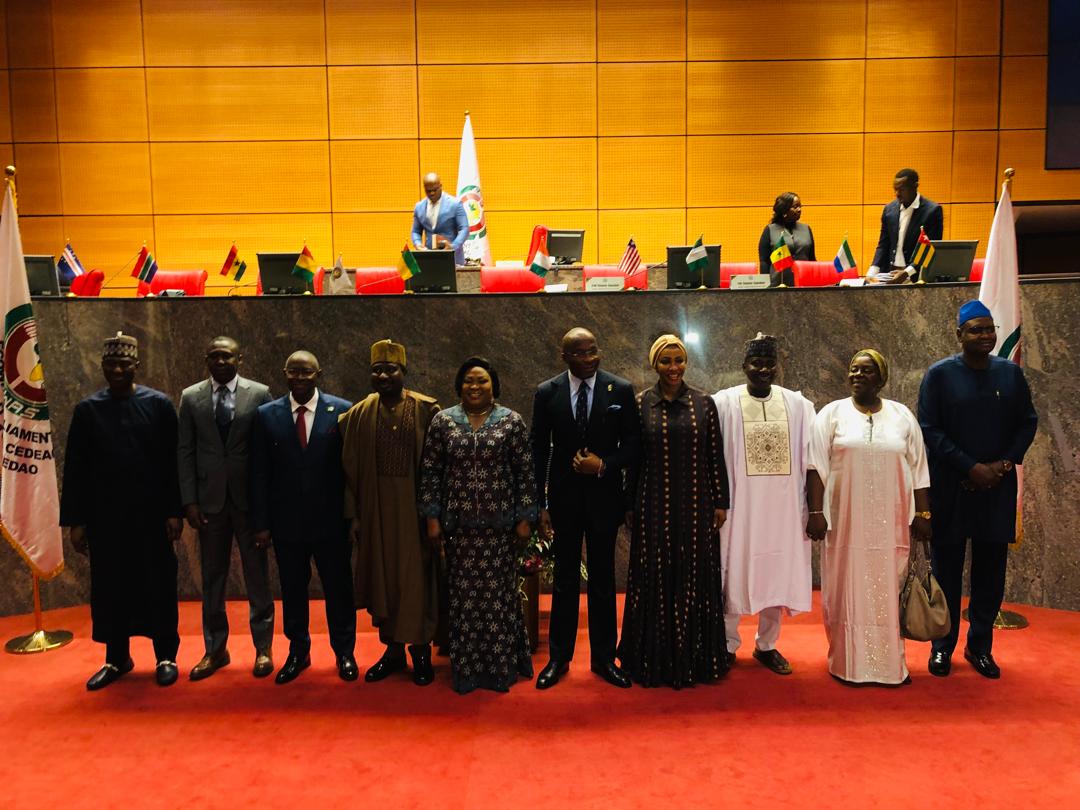
Nigeria has urged the ECOWAS parliament to enact strong and coordinated legislation to accelerate the implementation of the African Continental Free Trade Area (AfCFTA) and advance regional integration.
The minister of state for foreign affairs, Bianca Ojukwu, made the call on Monday in Abuja at the opening of the 2026 first extraordinary session of the ECOWAS parliament and a seminar on regional trade.
Represented by Amb. Nonyelum Afoekelu, director of the ECOWAS national unit, Ojukwu said parliamentary diplomacy would be critical in ensuring that member states maximise the opportunities presented by AfCFTA.
She described the trade pact as central to unlocking West Africa’s economic potential amid mounting political, economic, and security pressures across the sub-region.
“In practical terms, this entails promoting the ratification and harmonisation of trade-related legislation, ensuring budgetary allocations for AfCFTA implementation, exercising oversight over executive compliance, and fostering stakeholder engagement, including the private sector, customs authorities, and civil society.
“Through legislative advocacy, policy scrutiny, and parliamentary diplomacy, the ECOWAS Parliament can help eliminate regulatory bottlenecks, encourage the removal of non-tariff barriers, and ensure that Member States fully leverage the opportunities presented by AfCFTA.
“Ultimately, sustained parliamentary engagement will be indispensable in translating continental aspirations into tangible economic benefits for the peoples of West Africa,” she said.
The minister emphasised that legislative harmonisation, budgetary backing and effective oversight were necessary to ensure that member states domesticate and implement trade agreements.
She also called for alignment between AfCFTA structures and the ECOWAS trade liberalisation scheme, stressing the need for West Africa to consolidate its integration agenda and respond collectively to emerging challenges.
According to Ojukwu, AfCFTA offers a historic opportunity to expand intra-West African trade, strengthen regional value chains, and position businesses to compete more effectively within the broader African market.
“The ECOWAS Parliament serves as the democratic bridge between regional aspirations and national implementation. Sustained parliamentary engagement will be indispensable in delivering tangible economic gains for our people.
“By leveraging our institutional experience and regulatory frameworks, ECOWAS can position itself as a frontrunner in operationalising the AfCFTA,” she added.
In his remarks, ECOWAS president, Dr Omar Touray, represented by Dr Kalilou Sylla, commissioner for economic affairs and agriculture, said lawmakers play an indispensable role in translating AfCFTA commitments into reality.
He described parliamentarians as the link between treaties and everyday life, noting that their role is crucial in harmonising laws, easing border processes, and ensuring inclusive integration.
“ECOWAS is one of the most advanced laboratories of African integration, but we must go further. The African Continental Free Trade Area (AfCFTA) represents a historic opportunity for a market of 1.4 billion consumers,” he said.
Touray expressed confidence that West Africa could emerge as one of the world’s next manufacturing hubs, given its youthful population, natural resources, energy potential, and entrepreneurial drive.
“West Africa is today one of the continent’s most dynamic economic hubs; thanks to the vitality of its agriculture, agro-processing industries, and regional trade, it plays a driving role in Africa’s growth, even if it is not yet the continent’s leading industrial power.
“However, to convert this potential into power, we must build a single African market, an integrated space where goods, services, capital, and people move freely,” he said.
The ECOWAS president also stressed the importance of democratic governance, warning that instability undermines economic progress.
“Coups d’état, unfortunately, too frequent in our region, always have economic, social, security, and political repercussions. The facts show that where democracy declines, poverty advances,” he said.
He called for sustained dialogue with member states currently under military rule to facilitate their return to democratic governance, peace and regional integration.
“Some of those who govern today, following institutional disruption,s remain our brothers. And if we are to persuade them, we must build on what we have already achieved together,” he added.
Earlier, the parliament’s speaker, Mémounatou Ibrahima, urged member states and stakeholders to take full advantage of AfCFTA, which has entered its operational phase.
She called on regional lawmakers, the private sector, civil society, women, youth, and development partners to harness the agreement’s opportunities to deepen economic integration and expand intra-community trade.
The seminar is themed: “Deepening Regional Integration through the AfCFTA: Opportunities and Challenges for Expanding Intra-Community Trade.”