Nigeria Secures Permanent Seat on African Central Bank Board at AU Summit
Nigeria has achieved a landmark diplomatic and institutional milestone at the 39th Session of the Executive Council of the African Union (AU) in Addis Ababa, cementing its leadership role in shaping the continent’s financial future.
A major highlight of the summit was the Council’s approval to grant Nigeria a permanent seat on the Board of the African Central Bank, a development that underscores the nation’s strategic influence and economic significance within the African Union.
This permanent seat also extends Nigeria’s representation to the Board of the Technical Convergence Committee of the African Monetary Institute (AMI).
As the AMI serves as the precursor to the African Central Bank, this move ensures that Nigeria remains at the forefront of Africa’s monetary integration agenda.
The decision is seen as a recognition of Nigeria’s technical capacity and its commitment to advancing the “infrastructure of distribution” for a unified continental financial architecture.
From a macroeconomic perspective, this achievement acts as a macro-stabilizer for Nigeria’s regional standing. By securing a permanent voice in the continent’s emerging monetary policy framework, Nigeria is better positioned to advocate for policies that enhance the “security of supply” and foster sustainable economic growth.
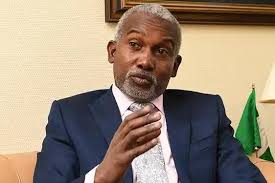
The Minister of Foreign Affairs, Ambassador Yusuf Tuggar, noted that this milestone reaffirms Nigeria’s commitment to the AU’s ideals of economic integration and institutional development, which are critical prerequisites for regional prosperity.
The fiscal implications of this permanent seat are rooted in the “security of the mandate” to drive financial stability across Africa.
By taking a lead role in the Technical Convergence Committee, Nigeria will help set the “regulatory guardrails” for a future African currency, ensuring that the transition does not create “asymmetric threats” to domestic economies.
This leadership role is essential for protecting the “liquidity of opportunity” for Nigerian businesses as they expand into the wider African market.
Historically, the push for an African Central Bank has faced numerous “logistics bottlenecks,” but Nigeria’s permanent seat signals a transition toward greater “operational realism” in the continent’s integration efforts.
Beyond financial matters, Nigeria also recorded wins in peace and security, successfully backing ECOWAS-endorsed candidates for the AU Peace and Security Council. These diplomatic gains collectively strengthen the “social contract” between African states and their citizens, ensuring a more stable and integrated future.
As the 2026 fiscal year progresses, the focus remains on the “stability of the policy” and the implementation of these continental agreements.
Ultimately, Nigeria’s permanent seat on the African Central Bank board is a vital indicator of its intent to manage complex regional challenges with greater transparency and strategic depth. By securing its place at the heart of Africa’s financial sovereignty, Nigeria is paving the way for a more resilient and self-sufficient African economy.



Related to this topic: