
Nigeria Must Rely on Domestic Resources as Multilateral Financing Retreats — Wale Edun
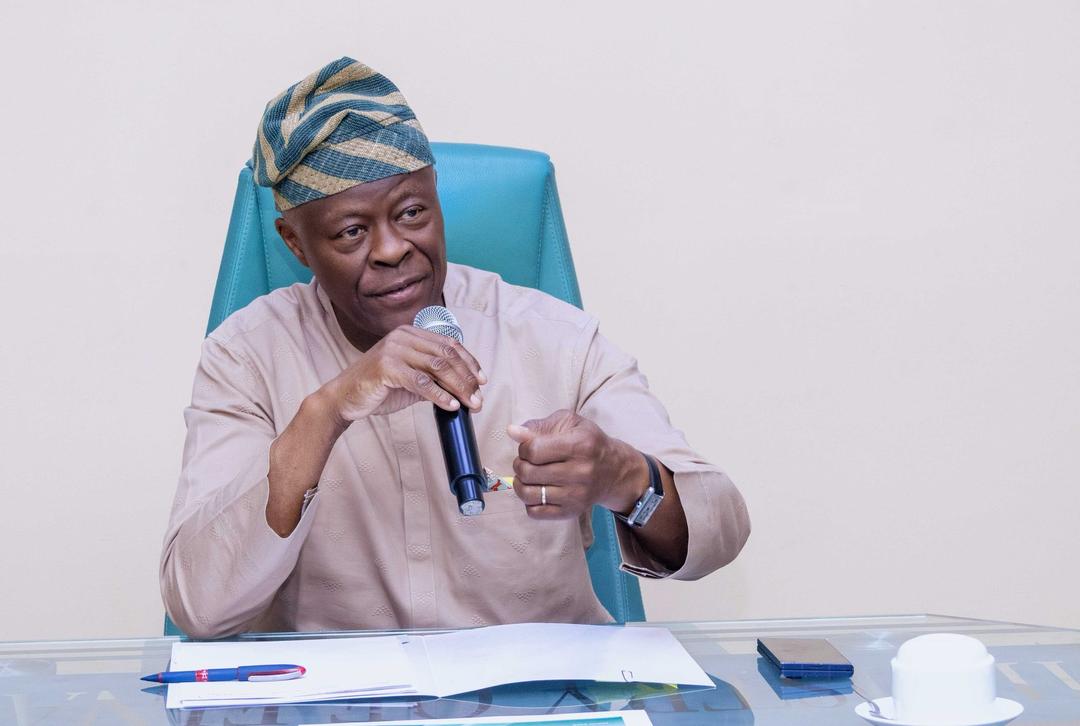
Wale Edun, minister of finance and coordinating minister of the economy, says Nigeria must increasingly depend on domestic resource mobilisation as concessional and multilateral financing continue to decline globally.
Multilateral financing refers to funding provided by multiple countries through international institutions such as the World Bank, International Monetary Fund (IMF), and United Nations agencies to support loans, aid, or technical assistance for developing economies.
Edun spoke on Thursday at the launch of the Nigerian Economic Summit Group (NESG) 2026 macroeconomic outlook report in Lagos, where he said public resources are now significantly constrained.
“Global capital development, concessional financing, even financing multilaterally, is retreating. It means that we have to rely on our own domestic resource mobilisation. That is a challenge we must accept,” Edun said.
He stressed that the private sector has become indispensable, particularly as affordable external financing options shrink.
“The private sector is indispensable, particularly in the face of a move back from concessional financing,” he added.
The minister urged Nigerians at home and in the diaspora to channel their savings and investments into the country.
“Nigerians abroad need to invest their money in their homeland. Nigerians in Nigeria need to save and take opportunity to invest,” he said.
“That is really at the core of our effort in a world where there is no real substantial affordable rates and of course, government’s role is to provide the basic microeconomics.”
Edun described 2026 as a pivotal year for Nigeria’s economy, noting that after two years of politically difficult but transformative reforms, the administration has achieved notable macroeconomic stabilisation.
The minister cautioned that Nigeria is now entering a consolidation phase that demands resolve, discipline, and policy consistency.


Related to this topic: