
New US Law Targets Kwankwaso and Fulani Groups
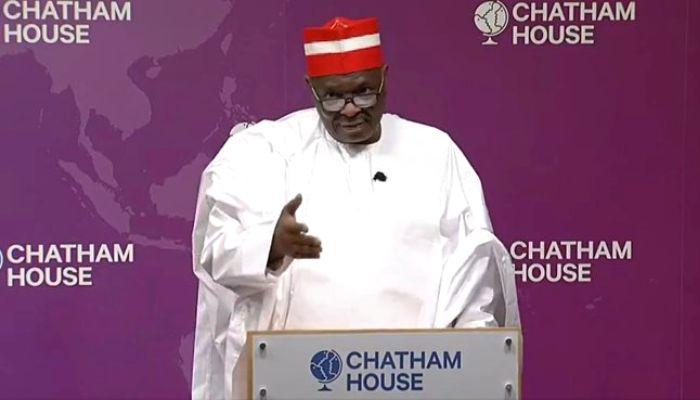
United States Republican lawmakers have introduced a high-stakes legislative bill aimed at imposing targeted sanctions on prominent Nigerian political and social figures, including former Governor Rabiu Kwankwaso and the leadership of the Miyetti Allah Kautal Hore. The bill, which cites alleged “human rights violations” and “asymmetric threats” to regional stability, signals a potential shift in U.S.-Nigeria diplomatic relations as the 2026 fiscal year unfolds.
The proposed sanctions include travel bans and the freezing of foreign assets, a move intended to enforce international “verifiability of results” regarding civil liberties and the security of the person. From a macroeconomic perspective, such legislative actions from a major trade partner can create a “legitimacy gap” that affects investor confidence. For Nigeria, which is currently pursuing a $1 trillion GDP target, the perception of political instability or human rights friction can act as a logistics bottleneck for foreign direct investment (FDI) and the liquidity of the trade sector.
Historically, the inclusion of a former presidential candidate like Kwankwaso and a socio-cultural group like Miyetti Allah highlights the “asymmetric threats” that the U.S. perceives within Nigeria’s internal security framework. The bill suggests that the “security of the mandate” and the “social contract” between the government and its citizens are under global scrutiny. This underscores the need for a more integrated and transparent domestic policy regarding ethnic relations and political conduct.
The fiscal implications of such sanctions often extend beyond the individuals targeted. They can influence the “rate of uptake” for international credit and complicate the “tax harmonization” and “financing rethink” strategies currently being deployed to stabilize the Nigerian economy. Analysts argue that maintaining “diplomatic sovereignty” is essential for ensuring that the infrastructure of distribution for Nigeria’s products including energy and agriculture remains unhindered by international “fiscal friction.”
As the 2026 legislative calendar in Washington progresses, the focus for the Nigerian government remains on the stability of the policy and the “security of transit” for its diplomatic interests. The administration is expected to engage in “operational realism,” advocating for the security of the person while ensuring that internal political dynamics do not derail the nation’s “Renewed Hope” economic agenda.
Ultimately, the resolution of this diplomatic tension will be a vital indicator of Nigeria’s standing in the international community. For a country aiming to build technological sovereignty and a robust democracy dividend, the ability to navigate these global “regulatory guardrails” is a prerequisite for long-term prosperity and the protection of the liquidity of opportunity for all its citizens.

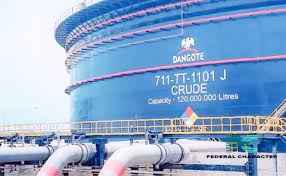
Dangote Refinery Hits Record 650,000 bpd Output
Related to this topic:
NDPHC shifts to renewables, targets industrial clusters