
National Assembly Probes Renewable Energy Grants and Project Execution
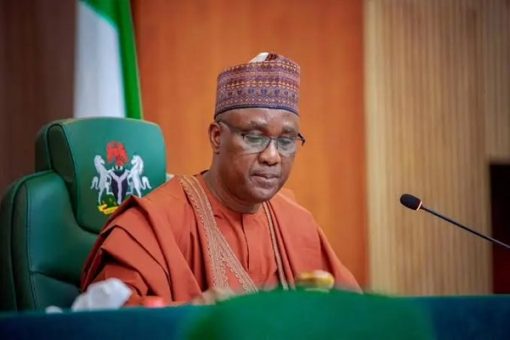
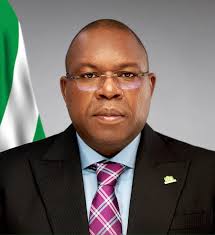
Speaker of the House of Representatives, Abbas Tajudeen, has raised formal concerns regarding the escalating cost of energy in Nigeria, citing its detrimental impact on small and medium-sized enterprises (SMEs) and the general cost of living.
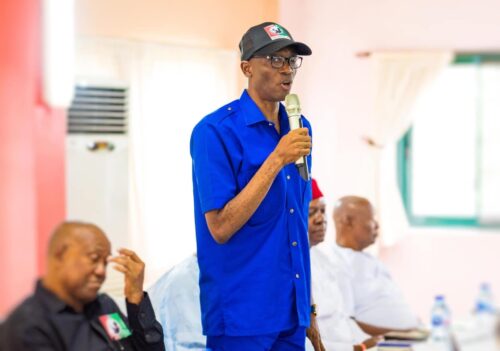
Speaking at an investigative hearing organized by the House Committee on Renewable Energy, the Speaker emphasized that the persistent challenges within the national power grid have necessitated a legislative shift toward sustainable energy alternatives.
The hearing was part of a broader mandate issued by the House on October 22, 2025, directing a comprehensive investigation into the domiciliation of green and renewable energy projects across various Ministries, Departments, and Agencies (MDAs).
The inquiry seeks to assess compliance with statutory mandates and identify instances where projects have underperformed or been mismanaged due to inappropriate administrative placement.
Speaker Abbas noted that the Electricity Act of 2023 was specifically designed to provide a holistic framework that integrates renewable energy into the national mix.
He argued that the reliance on fossil-fuel-powered generators by both major manufacturing firms and small businesses has created an unsustainable economic burden.
“The huge cost implications of running businesses in the nation with generators and the overall adverse impact on the living conditions of the people essentially propelled the National Assembly to alter the former Act of 2005,” Abbas stated.
Beyond economic concerns, the Speaker highlighted the global transition toward cleaner energy to mitigate the effects of carbon emissions and climate change.
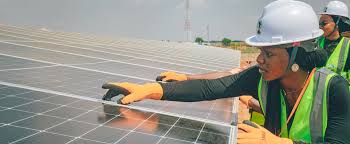
He asserted that Nigeria possesses diverse renewable resources that, if properly funded and developed, could effectively bridge the country’s energy gap.
To support this transition, the House has empaneled a specific committee to monitor the implementation of the renewable energy components of the Electricity Act, ensuring that legislative backing translates into functional infrastructure.
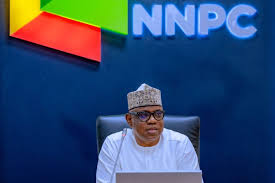
The investigation also covers the management of foreign grants and investments received in the renewable energy sector from 2015 to the present.
Hon. Afam Victor Ogene, Chairman of the House Committee on Renewable Energy, revealed that the probe into these funds had previously faced delays due to “uncooperative tendencies” from certain MDAs involved in procurement and investment dealings.
Hon. Ogene specifically highlighted the prevalence of dysfunctional public infrastructure, such as solar streetlights that frequently fail within six months of installation.
He questioned the procurement and maintenance standards applied to these projects, labeling the frequent failures as significant “economic wastage.”
To address these inefficiencies, the Committee is proposing a resolution that would require MDAs to source 50 percent of their power needs from renewable energy.
Proponents of the 50 percent renewable mandate argue it will attract fresh investment, stimulate job creation, and reduce the heavy reliance on the traditional grid.
The Committee’s current objective is to audit existing energy utilization within government institutions and implement strategies to increase the adoption of sustainable technology.
The House of Representatives maintains that these investigative measures are essential to uphold institutional integrity and ensure that public and international investments in the power sector yield tangible benefits for the Nigerian populace.