
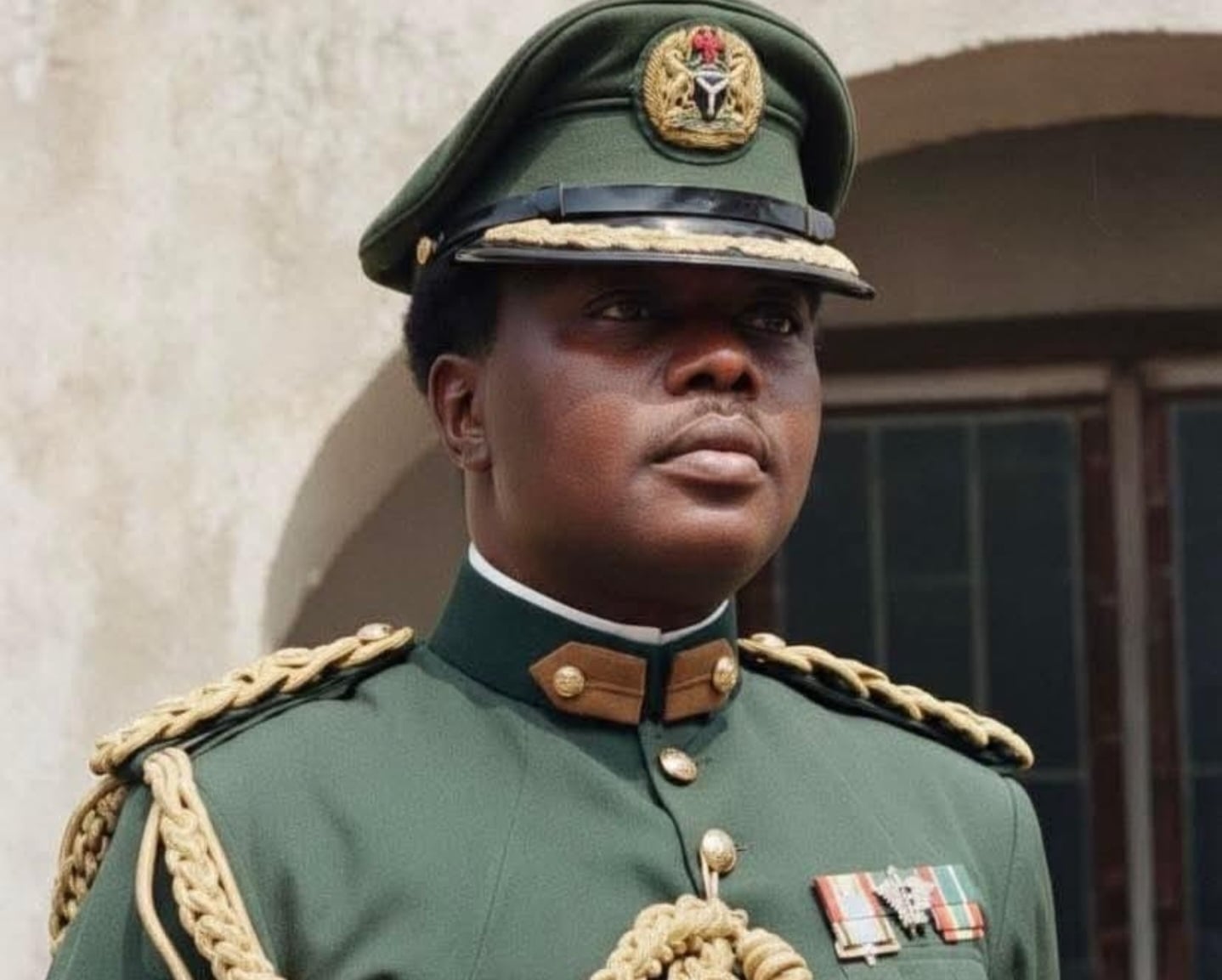
Murtala Ramat Mohammed: Africa’s martyr, Nigeria’s flaming conscience
By Tanimu Yakubu
Fifty years ago, on February 13, 1976, gunfire shattered the morning calm in Lagos. Nigeria awoke to the assassination of its head of state, Murtala Ramat Mohammed.
Africa lost not just a soldier. It lost a furnace of political will — a leader whose 180 days in office reshaped Nigeria’s foreign policy and reasserted the moral spine of a continent.
He did not rule long.
He ruled intensely.
The restoration of the African personality
When Mohammed assumed power in July 1975, Africa was politically independent in many places but still geopolitically constrained. Apartheid South Africa stood firm. Rhodesia resisted majority rule. Angola and Mozambique were theatres of Cold War rivalry. Liberation struggles remained unfinished.
At the 1976 summit of the Organisation of African Unity in Addis Ababa, Mohammed declared: “Africa has come of age. It is no longer under the orbit of any extra-continental power.”
That declaration was not rhetorical flourish. It became doctrine.
Nigeria recognised Angola’s MPLA government despite Western hesitation. It expanded financial and diplomatic backing for Southern African liberation movements. It rejected gradualism where justice demanded urgency.
Mohammed transformed Nigeria from a cautious actor into a continental spearhead.
Collision with imperial power
In less than six months, Nigeria’s foreign policy shifted decisively toward assertive non-alignment. Diplomatic priorities were recalibrated around African solidarity. Support for majority rule intensified.
His government openly opposed apartheid, minority regimes in Rhodesia, and external interference in Angola and Mozambique. At a time when Cold War powers preferred managed transitions, Mohammed pressed for irreversible liberation.
His speed unsettled entrenched interests.
A philosophy in motion
His leadership echoed the urgency of revolutionary thought across the continent. Independence, in his view, was not ceremonial. It was strategic. Sovereignty was not symbolic. It was actionable.
He understood momentum.
History often moves slowly. Occasionally, it convulses. Mohammed was one of those convulsions.
Martyrdom and momentum
The bullets that killed him did not halt the trajectory he accelerated. Mozambique consolidated independence. Zimbabwe would follow. Namibia would follow. Apartheid would eventually fall.
Political liberation in Southern Africa moved beyond negotiation toward inevitability.
Mohammed did not finish the journey. He pushed it past the point of reversal.
Fifty years on
Half a century later, Africa faces new forms of dependency — financial, technological, institutional. The terrain has changed, but the central question endures:
Will Africa define itself?
Mohammed’s answer still reverberates: Africa has come of age.
It was not a description of reality. It was a demand for it.
Eternal flame
Nigeria’s general.
Africa’s martyr.
A leader whose tenure lasted 180 days but whose imprint has endured five decades.
He did not merely occupy office.
He altered direction.
On this fiftieth anniversary of his assassination, history remembers not the brevity of his rule, but the force of it.