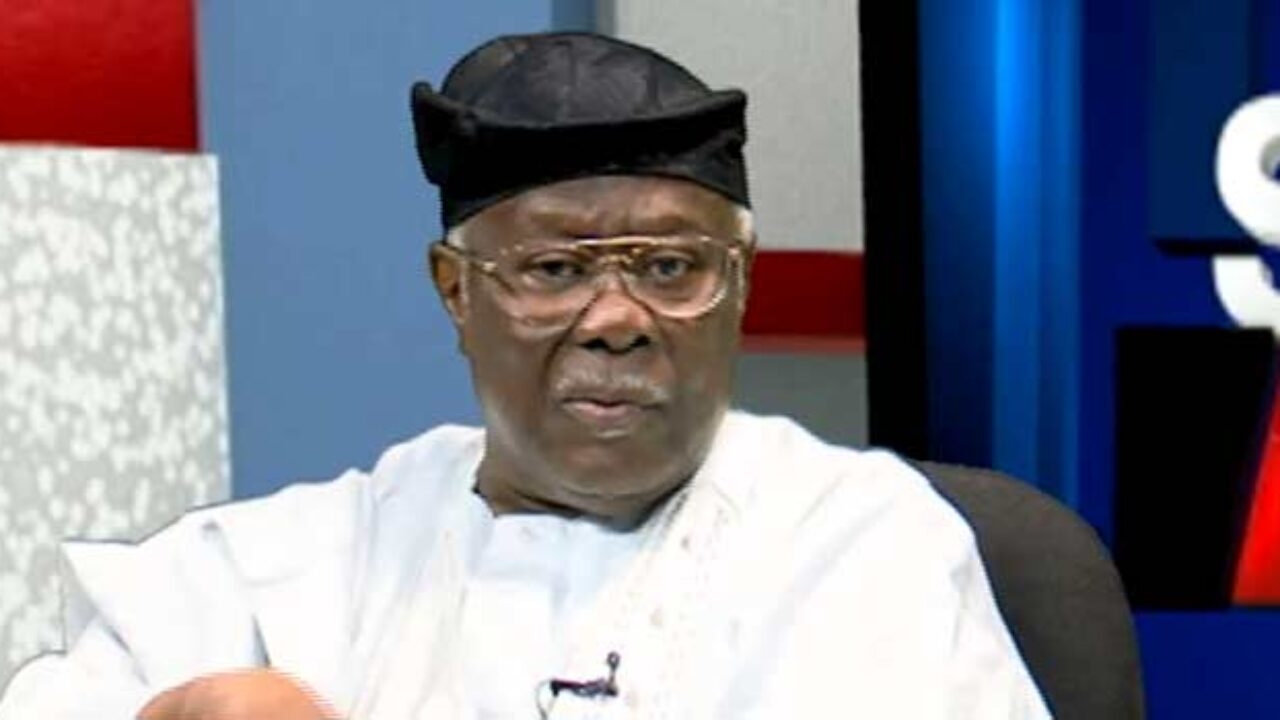

MURIC Criticizes Proposed US Sanctions on Muslim Figures as “Lopsided”
The Muslim Rights Concern (MURIC) has strongly condemned the proposed United States sanctions targeting prominent Nigerian Muslim figures including Senator Rabiu Kwankwaso and the leadership of Miyetti Allah—describing the move as biased and “lopsided.”
In a statement released on February 12, 2026, the group argued that targeting specific Muslim leaders while ignoring other “asymmetric threats” across the federation undermines the “verifiability of results” in international diplomacy.
MURIC’s Executive Director, Professor Ishaq Akintola, contended that the proposed visa bans and asset freezes represent a selective approach to human rights. He suggested that if the U.S. is committed to protecting the “security of the person” and civil liberties in Nigeria, its sanctions must be “comprehensive and unbiased,” reaching across all ethnic and religious divides.
From a macroeconomic perspective, MURIC warned that such “lopsided” international pressure could widen the “legitimacy gap” and disrupt the “social contract” within the country.
For an economy currently focused on achieving a $1 trillion GDP through national unity and industrial growth, MURIC argued that external interference targeting specific religious identities acts as a “logistics bottleneck” to social cohesion. The group emphasized that the “infrastructure of distribution” for justice must be balanced to ensure that no single group feels targeted by international “fiscal friction.”
The fiscal implications of these diplomatic tensions are significant. As the 2026 fiscal year progresses, analysts worry that such sanctions could impact the “liquidity of opportunity” for northern-based enterprises and influence the “rate of uptake” for foreign investments in regions where the targeted figures hold significant sway.
MURIC called for a “financing rethink” of how international bodies engage with Nigerian internal affairs, advocating for “operational realism” that respects the nation’s “technological and diplomatic sovereignty.”
Historically, MURIC has been vocal about perceived imbalances in the treatment of Nigerian religious groups. By framing these sanctions as an attack on the “security of the mandate” held by Muslim political leaders, the group is calling for the U.S. to provide “verifiable evidence” of the alleged rights violations.
This call for transparency is seen as a prerequisite for maintaining the “stability of the policy” and preventing a “digital regression” in Nigeria-U.S. relations.
Ultimately, MURIC’s reaction is a vital indicator of the rising domestic pushback against external “regulatory guardrails” that are perceived as one-sided.
As Nigeria continues its journey toward a more integrated and transparent democracy, the group insists that the “democracy dividend” must include protection from external biases, ensuring that the “security of the person” remains a universal standard applied fairly to all Nigerians regardless of creed or political affiliation.