

MPC at Crossroads as Disinflation Strengthens Case for Rate Cut
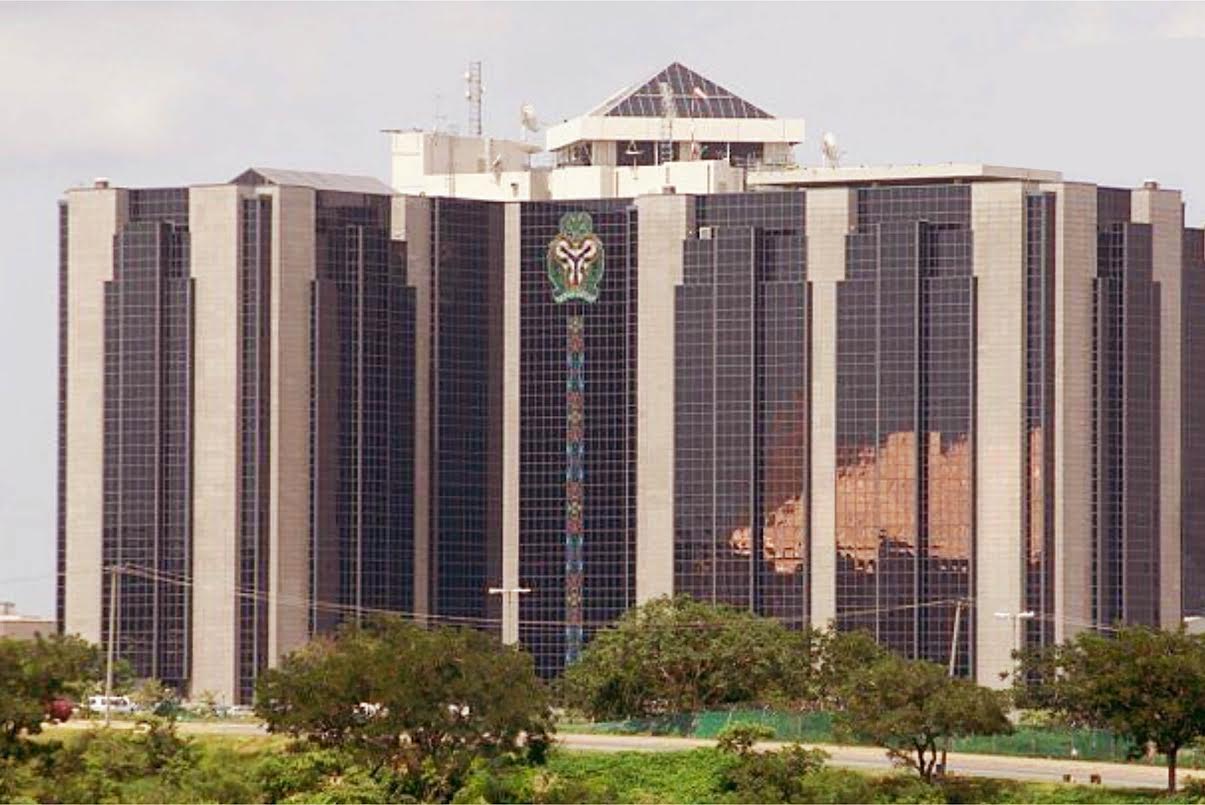
Nigeria’s monetary authorities face a pivotal moment as the Monetary Policy Committee (MPC) of the Central Bank of Nigeria meets on February 23 and 24, with a growing body of data strengthening the case for cautious policy easing.
After nearly two years of aggressive tightening that pushed the benchmark Monetary Policy Rate (MPR) to 27.0 per cent, inflation has now declined for eleven consecutive months, moderating to 15.1 per cent in January 2026.
At the same time, external reserves have climbed to $47.8 billion, up 2.4 per cent since November, while the naira has appreciated by 6.7 per cent to N1,355/$ at the official market.
The macro picture has shifted materially. What began as a singular fight for price and exchange rate stability is increasingly evolving into a debate about when — not whether — to begin normalising policy.
Head of Research at Afrinvest West Africa, Asimiyu Damilare, believes the balance of risks has tilted in favour of a rate cut.
“Recent macroeconomic developments have strengthened the case for a potential policy rate cut at the upcoming MPC meeting,” he said, citing sustained disinflation, reserve accretion and currency stability as key pillars providing policy flexibility.
He also pointed to stable PMS prices and expectations of rate cuts across major advanced economies in the first half of 2026 as supportive of a more accommodative external environment.
Importantly, the November 2025 MPC vote revealed a committee already inching toward a pivot. Five members voted for a rate cut, narrowly outweighed by six who opted to retain the MPR at 27.0 per cent. That near split signalled an internal debate shifting toward normalisation.
Yet caution remains deeply embedded in the policy calculus.
The Managing Director/CEO of Arthur Steven Asset Management Limited argues that the MPC may consider it too early in the year to make a decisive move, particularly as liquidity conditions tighten the policy space.
Rising system liquidity, he noted, could carry inflationary implications, potentially forcing the Committee to maintain its stance or even lean hawkish if price pressures re-emerge.
Portfolio Manager at CFG Africa, Olumayowa Bolujoko, echoed this structural concern. While acknowledging improvements in exchange rate stability and external buffers, he stressed that the MPC will focus on whether the disinflation trend is durable rather than merely cyclical.
A 10.2 per cent month-on-month surge in currency outside banks suggests elevated transactional liquidity within the real economy. Combined with election-cycle spending dynamics, this could sustain near-term price pressures.
Moreover, yield attractiveness remains critical for sustaining Foreign Portfolio Investment inflows. With exchange rate stability closely tied to capital flows, a premature rate cut could undermine external positioning and reverse recent FX gains.
Taken together, the data present a finely balanced decision.
On one hand, eleven months of disinflation, stronger reserves, exchange rate appreciation and a benign global policy outlook create the strongest case yet for cautious easing.
On the other hand, liquidity expansion, potential near-term inflation risks, and the strategic importance of preserving capital inflows argue for patience.
The more probable outcome may be a hold decision accompanied by a dovish shift in tone — a signal that policy easing is approaching, but contingent on sustained price moderation and liquidity containment.
For markets, the message will be as important as the rate decision itself. Whether the MPC cuts or holds, February’s meeting could mark the turning point from an era of aggressive tightening to the early phase of monetary normalisation in Africa’s largest economy.



Related to this topic: