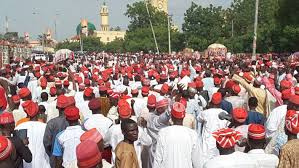

Kano Communities Benefit from DARES Energy Scale-up

The Managing Director and Chief Executive Officer of the Rural Electrification Agency (REA), Abba Aliyu, has announced that steady progress is being recorded under the Distributed Access through Renewable Energy Scale-up (DARES) Project, with several construction milestones already met across project sites. This $750 million World Bank initiative is designed to provide new or improved electricity access to over 17.5 million Nigerians, succeeding the Nigeria Electrification Project with a focus on solar mini-grids and home systems.
In a statement released on Tuesday, Aliyu disclosed that implementation is advancing in line with designated timelines. A key contractor, Al Alfuttaim Nigeria Limited, has successfully completed the foundational stages for solar infrastructure deployment in multiple clusters. Specifically, the contractor has finished the casting of mounting support bases in four out of its ten project locations. Aliyu described this as a critical foundation step that brings the affected sites significantly closer to full operational status.
The breakdown of progress across benefiting communities shows a strong focus on Northern Nigeria. In Mekiya, located in the Gabasawa Local Government Area of Kano State, mounting support bases have been completed across seven clusters. Similarly, in Dagar, four clusters are finished, while Ballagaza has seen eight clusters fully cast and completed. Additionally, in Maraya Rogo, within the Warawa Local Government Area, three clusters have reached this development milestone.
According to the REA boss, these achievements reflect disciplined execution and sustained momentum. The DARES project aims to replace over 280,000 polluting petrol and diesel generators, providing a cleaner alternative for rural and peri-urban businesses. Each completed cluster strengthens the groundwork for decentralized renewable energy systems intended to serve households, small businesses, and productive users who have historically lacked reliable power.
The REA remains focused on delivery, quality, and long-term sustainability as the project continues to take shape across the federation. With the mounting support bases now in place in several areas, the next phases of development will involve the physical installation of solar panels and associated electrical infrastructure. This transition is expected to reduce reliance on fossil fuels, lower energy costs for rural entrepreneurs, and significantly boost economic activities through modern, clean energy infrastructure.

IBEDC to Revive Redundant Hydro Power Plants

Related to this topic:

15 Adamawa Lawmakers and Speaker Resign From PDP