
Honda Suspends Mexico Operations Following Cartel Leader’s Death

The Japanese automotive giant Honda officially suspended its manufacturing operations in Guadalajara, Mexico, on Tuesday, following a surge of coordinated paramilitary violence across the country.
The disruption was triggered by a high-stakes military operation that resulted in the death of Nemesio Oseguera, better known as “El Mencho,” the long-time leader of the Jalisco New Generation Cartel (CJNG).
The suspension highlights the immediate impact of regional instability on Mexico’s critical industrial corridors as the government grapples with the fallout of the kingpin’s demise.
Daniela Sanchez, a spokesperson for the Honda production facility, confirmed that the decision to halt activities was a precautionary measure initiated on Monday, February 23.
While the company is currently assessing the security landscape in the state of Jalisco, a definitive timeline for the resumption of production remains tethered to the stabilization of the surrounding metropolitan area.
The facility in Guadalajara is a key node in Honda’s North American supply chain, and the temporary closure reflects the heightened risk profile currently facing multinational corporations operating in the region.
The violence erupted on Sunday after the 59-year-old Oseguera was intercepted by Mexican military forces in the western state of Jalisco.
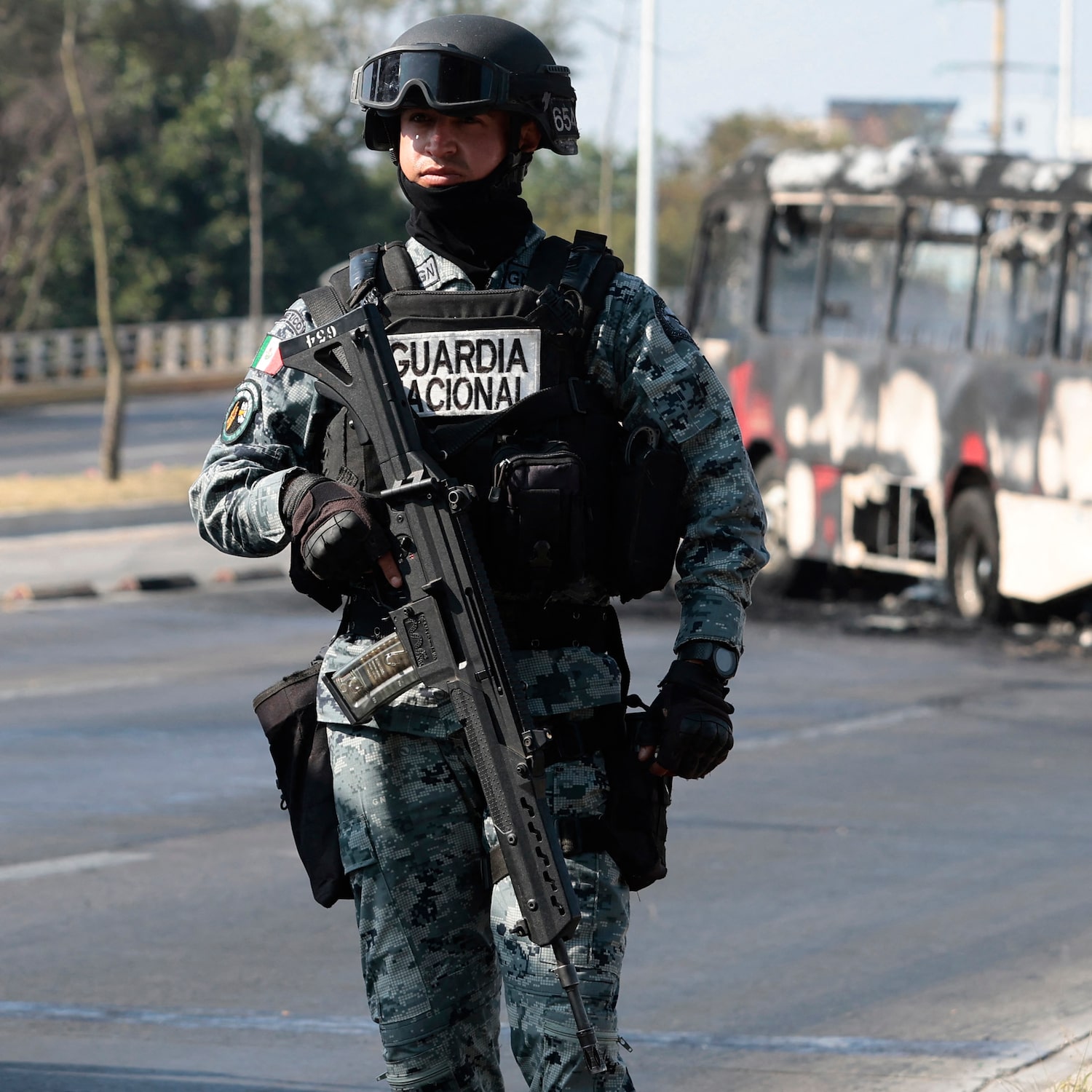
During the confrontation, the drug lord sustained fatal injuries and reportedly died while being airlifted to a hospital. In an immediate and orchestrated act of retaliation, CJNG gunmen launched a wave of attacks that spanned 20 of Mexico’s 32 states.
The insurgents utilized “narcobloqueos” the practice of hijacking and burning large vehicles to obstruct major highways and transit arteries effectively paralyzing logistics in several key economic zones.
The human toll of the military operation and the subsequent urban warfare has been significant. Official reports indicate that at least 27 state security agents and 46 suspected cartel members were killed in the initial clashes. One civilian death was also recorded.
The concentration of these hostilities in Guadalajara is particularly concerning for Mexican officials, as the city is slated to be a primary host for the 2026 FIFA World Cup.
The ability of the state to maintain order in the provincial capital is under intense international scrutiny as preparations for the tournament continue alongside the United States and Canada.
The automotive sector is the backbone of the Mexican economy, representing approximately 3.6 percent of the national Gross Domestic Product (GDP).
Mexico has successfully positioned itself as a global manufacturing hub, hosting sophisticated assembly plants for brands including Ford, General Motors, BMW, and Audi.
The suspension of a major plant like Honda’s serves as a stark reminder of how security volatility can threaten the “nearshoring” trend that has recently driven foreign direct investment into the country.
By Tuesday, the Jalisco state government issued a communique attempting to signal a return to normalcy. Authorities reported that the public transport system in Guadalajara had reached 70 percent capacity and announced that schools, which had been closed during the peak of the unrest, would resume classes on Wednesday. Despite these efforts to restore civic life, the heavy presence of security forces remains visible across the city’s industrial outskirts.
The death of Oseguera marks one of the most significant blows to organized crime in Mexico in recent years, yet the immediate aftermath has underscored the tactical capabilities of the CJNG to disrupt the nation’s infrastructure.
While the government maintains that the removal of high-level targets is essential for long-term security, the short-term economic consequences exemplified by the shuttering of the Honda factory highlight the complex environment in which global manufacturers must operate.
The situation in Guadalajara remains fluid as military patrols continue to monitor the highways surrounding the automotive plants. Industry analysts are closely watching the response of other manufacturers in the region to see if the Honda suspension is an isolated incident or the beginning of a broader industrial slowdown.
The federal government has deployed additional National Guard units to the state of Jalisco to ensure that the vital manufacturing sector can remain operational during this period of transition in the regional security hierarchy.



Related to this topic:

NDLEA Arrests Real Estate CEO For Allegedly Leading Drug Cartel