GenCos Decry Surge in Electricity Debt to Six Trillion Naira
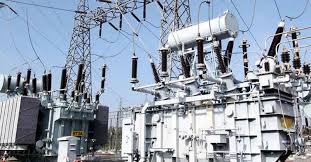
The Association of Power Generation Companies (APGC) has raised a critical alarm over the state of the Nigerian Electricity Supply Industry (NESI), revealing that the total outstanding debt owed to Generation Companies (GenCos) has ballooned to over ₦6 trillion.
This figure represents a staggering 50% increase from the ₦4 trillion debt baseline recorded at the end of 2024, signaling a rapid deterioration of the sector’s financial health.
In a robust defense of its members, APGC Chief Executive Officer, Dr. Joy Ogaji, has characterized the GenCos as “victims of a broken value chain” rather than the perpetrators of extortion, as recently alleged by the Nigeria Labour Congress (NLC).
This fiscal escalation from ₦4 trillion to ₦6 trillion within just over a year highlights a systemic collapse in the sector’s revenue remittance mechanism.
When the debt stood at ₦4 trillion in late 2024, the Federal Government initiated a Presidential Power Sector Debt Reduction Plan, promising to settle verified arrears through a massive bond issuance.
However, the slow pace of verification and the continued shortfall in monthly remittances have allowed the debt to spiral. Current data indicates that GenCos receive only about 35% of their monthly energy invoices, leading to a fresh monthly accrual of nearly ₦200 billion in unpaid bills.
This trajectory suggests that the legacy debt is no longer just a historical burden but a live, expanding threat to Nigeria’s industrial energy security.
The economic implications of this ₦2 trillion surge in debt are profound. At the ₦4 trillion mark, the primary concern was “stranded capacity” power that could be generated but not delivered due to infrastructure gaps.
Now, at ₦6 trillion, the crisis has shifted to “operational insolvency.” GenCos are increasingly unable to meet their primary obligations, including payments to gas suppliers, maintenance of aging turbines, and servicing of international loans.
This liquidity squeeze has direct consequences for the Nigerian public; when thermal plants cannot pay for gas, generation drops, forcing businesses and households to rely on expensive diesel and petrol generators.
This “energy tax” is a primary driver of Nigeria’s double-digit food inflation, as the cost of production and logistics rises in tandem with the failure of the national grid.
Furthermore, the comparison between the ₦4 trillion and ₦6 trillion debt levels reveals a deepening crisis of investor confidence.
While the ₦4 trillion figure was viewed as a manageable “legacy issue” that could be solved with a one-time bond issuance, the jump to ₦6 trillion suggests that the underlying structural issues such as non-cost-reflective tariffs and collection inefficiencies by Distribution Companies (DisCos) remain unaddressed.
For foreign investors, the rising debt is a red flag that the Nigerian power market is not yet a “bankable” environment. Without a stable cash waterfall where revenue flows seamlessly from the consumer to the generator, the $100 billion investment required to modernize Nigeria’s grid will likely remain elusive, keeping the country’s GDP growth below its potential.
Technically, the ₦6 trillion debt overhang is the primary catalyst for the frequent grid collapses witnessed in the first quarter of 2026.
Lack of liquidity prevents the Transmission Company of Nigeria (TCN) and the GenCos from carrying out the “free governor control” and other frequency stabilization measures necessary for a resilient grid.
The APGC has emphasized that portrays the sector as unregulated or fraudulent is not only misleading but dangerous. By labeling legitimate market invoices as “extortion,” critics risk delegitimizing the very financial interventions such as the government-backed bonds that are keeping the sector from total collapse.
The association’s offer to submit to a forensic audit is a move toward transparency intended to restore trust in the regulatory framework.
As the government moves to implement the second tranche of its power sector bonds, the focus must shift from merely “clearing old debts” to “preventing new ones.”
The transition from a ₦4 trillion to a ₦6 trillion debt environment proves that borrowing alone is not a solution if the market continues to operate at a 65% monthly shortfall.
Achieving the “Renewed Hope” target of 10,000MW of reliable power will require a radical enforcement of the 2023 Electricity Act, allowing states to establish competitive markets that can bypass the federal liquidity bottleneck.
Until then, the GenCos remain the largest creditors to the Nigerian state, carrying a financial burden that threatens the nation’s path to industrialization.
The resolution of the ₦6 trillion crisis is no longer just a technical necessity but a moral imperative to prevent the further victimization of power producers.
If the current trend persists, the debt could reach ₦8 trillion by the end of the next fiscal year, potentially leading to a mass withdrawal of private sector operators from the grid.
The Federal Government must move beyond “audio money” and political promises to deliver a credible, cash-backed settlement plan.
Protecting the solvency of the GenCos is the only way to ensure that the lights stay on and that the Nigerian economy can finally break free from the shackles of persistent energy poverty.



Related to this topic: