
Gemini said REA Secures $700,000 ECOWAS Grant to Power Schools and Clinics with Solar Energy
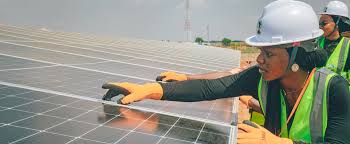
The Rural Electrification Agency (REA) has secured a $700,000 grant from the ECOWAS Commission to provide solar photovoltaic systems for 15 public health and education institutions.
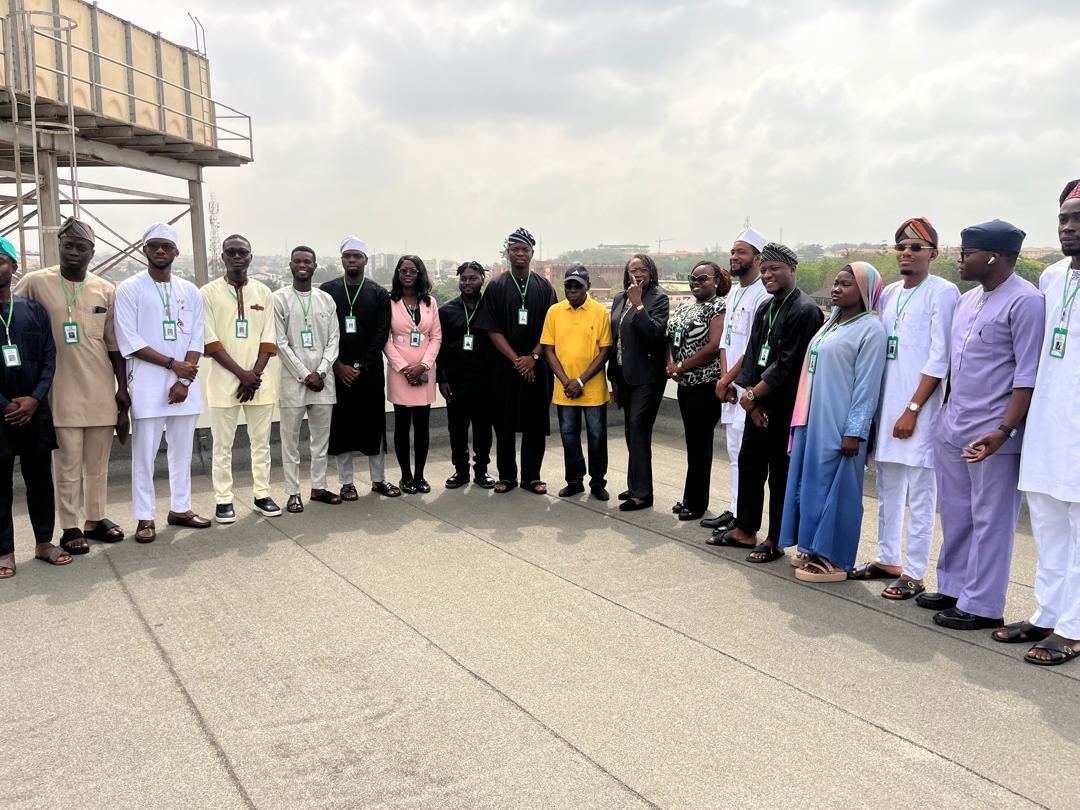
This funding, formalized through a Memorandum of Understanding (MoU) signed on Monday, February 23, 2026, marks the official start of Nigeria’s pilot phase under the Regional Off-Grid Electricity Access Project (ROGEAP).
Supported by the World Bank, the initiative targets critical public facilities in the Federal Capital Territory (FCT), Niger State, and Nasarawa State.
The project aims to replace expensive diesel generators with sustainable solar solutions, thereby lowering operating costs and improving service delivery in rural clinics and schools.
To ensure seamless execution, the REA has established a dedicated Project Implementation Unit to coordinate with regional steering committees.
In a parallel move to strengthen subnational impact, the REA signed a separate agreement with the Niger State Government.
Under this partnership, Governor Mohammed Bago’s administration will provide counterpart funding and monitoring support for project sites located within the state.
Governor Bago noted that the initiative aligns with his “New Niger” agenda, which prioritizes sustainable infrastructure for rural communities.
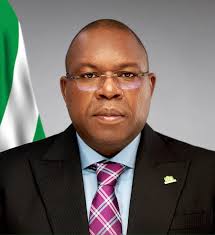
Dr. Abba Aliyu, Managing Director of the REA, emphasized that electrifying these institutions is a catalyst for national development, while ECOWAS Commission President Omar Touray highlighted the project as a cornerstone in the regional strategy to eliminate energy poverty.
By localizing regional grants, the partnership seeks to improve the quality of life for the most vulnerable citizens through reliable, clean energy.
The REA, operating under the Federal Ministry of Power, continues its mandate to electrify underserved communities as outlined in the Electricity Act 2023.
This latest collaboration reinforces Nigeria’s commitment to clean energy adoption and regional integration across West Africa and the Sahel.