
G-24 Chief Backs Nigeria’s Tax Reforms, Predicts Economic Modernization
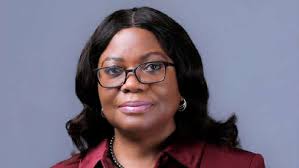
The Director of the Intergovernmental Group of Twenty-Four (G-24) on International Monetary Affairs and Development, Dr. Iyabo Masha, has thrown her weight behind the federal government’s ongoing tax reforms, describing them as a critical step towards transitioning Nigeria into a modern and efficient economy.
Speaking at a press conference in Abuja on Saturday, Masha, who is the first African to lead the G-24 Secretariat in its five-decade history, acknowledged that while the reforms might be “painful in the initial period,” they are essential for long-term fiscal stability and development.
The G-24 Director highlighted a stark reality: developing countries often struggle with weak tax mobilization, sometimes recording tax-to-GDP ratios as low as 7 percent, compared to more stable economies that generate between 25 and 30 percent.
She argued that for Nigeria to sustain public services like healthcare, education, and infrastructure, it must aim for a tax-to-GDP ratio in the “20s.”
Masha noted that her previous analysis of Nigeria’s tax framework revealed a “very fragmented” system plagued by inadequate implementation.
She expressed optimism that the new tax policy currently under debate seeks to address these specific bottlenecks by bringing more companies into the tax net and streamlining collection processes.
“My understanding is that this new tax policy seeks to address all those issues. It is bringing more companies into the tax net.
“It is reducing some rates of taxation, though it is also increasing some rates of taxation,” she explained.
Endorsing the structural changes, Masha stated that the reforms would likely encourage the formalization of more firms, thereby expanding employment and strengthening public finances.
She emphasized that taxation remains the “most efficient” way to finance development compared to borrowing or asset sales, as it leads to the least macroeconomic destabilization.
“It will be painful in the initial period. But over time, it would allow the Nigerian economy to transition into a real modern economy that will be able to meet the aspirations of its people,” she affirmed.
Masha’s comments came ahead of the G-24 Technical Group Meeting scheduled to hold in Abuja from February 18 to 20, hosted by the Ministry of Finance and the Central Bank of Nigeria.
The meeting, themed “Mobilising Finance to Promote Sustainable, Inclusive, and Job-Rich Economic Transformation,” will see about 45 delegates from member countries gather to align positions ahead of the upcoming IMF and World Bank meetings.
Key topics on the agenda include digital services taxation, specifically how developing nations can better tax global tech giants like Google and Facebook, as well as debt sustainability, climate financing, and the future of the Bretton Woods institutions.
As Nigeria currently chairs the G-24, the meeting represents a significant diplomatic and economic engagement for the country, providing a platform to champion the interests of the Global South on the international stage.


Related to this topic:

Nigeria’s FX Reserves Hit $50.45bn, Boosting Investor Confidence