

Experts Warn Private Control of NRS Collections Could Disrupt Nigeria’s Port Trade
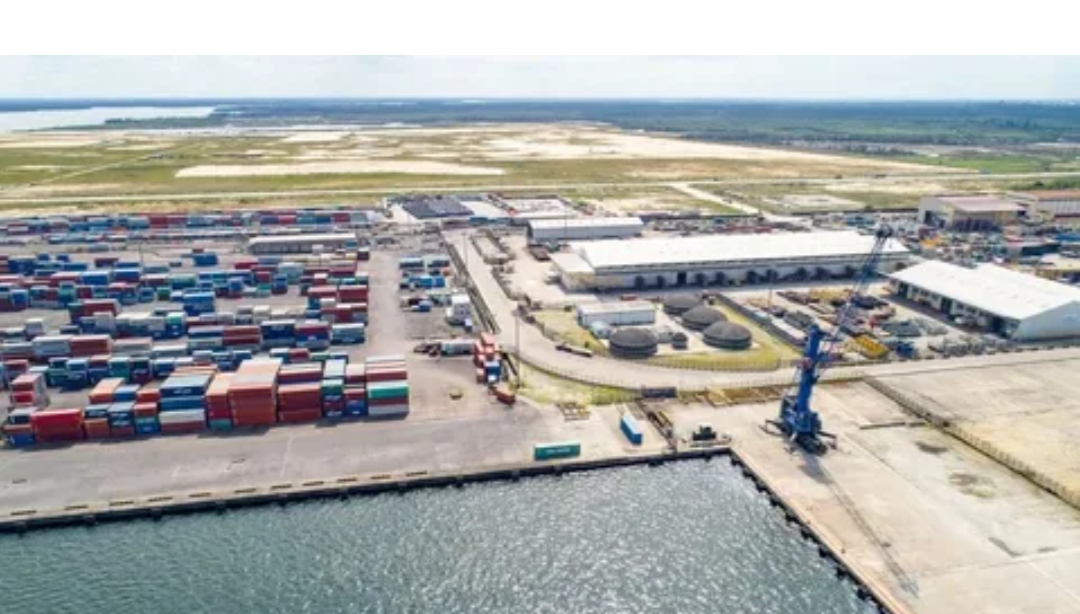
The Sea Empowerment Research Centre (SEREC) has raised alarm over the planned implementation of the Nigeria Revenue Service’s (NRS) unified maritime revenue collection system, cautioning that outsourcing collections to private vendors could create loopholes, compromise transparency, and undermine public trust in one of Nigeria’s key revenue-generating sectors.
Set to commence in January, the new NRS framework aims to consolidate revenue streams from major maritime agencies, including the Federal Inland Revenue Service (FIRS), Nigeria Customs Service (NCS), Nigerian Ports Authority (NPA), Nigerian Maritime Administration and Safety Agency (NIMASA), the Nigerian Shippers’ Council and the Cabotage and Regional Freight Fund (CRFFN).
The initiative is intended to reduce duplicate charges, streamline payments for importers and exporters, and enhance efficiency across the port ecosystem.
However, SEREC, in its weekly bulletin signed by Head of Research Dr Eugene Nweke, warned that the maritime sector’s history of leakages, corruption and weak accountability has left public confidence fragile.
The think-tank cautioned that permitting private intermediaries to handle collections could encourage off-ledger transactions, rent-seeking behaviour, and weak oversight, potentially eroding revenue visibility and weakening parliamentary checks.
The organisation also highlighted operational risks. A hurried rollout, it said, could slow cargo clearance, disrupt supply chains, increase logistics costs, and reduce liquidity for small businesses operating within ports. These pressures are compounded by recent cash withdrawal restrictions imposed by the Central Bank of Nigeria, which have strained SMEs, truck drivers, and dock workers who rely heavily on daily cash flows.
To mitigate these risks, SEREC recommended a series of legal and structural safeguards, including public disclosure of collection contracts, transparent bidding processes, real-time revenue dashboards accessible to citizens, quarterly forensic audits, and government-controlled escrow accounts for instant levy remittance.
It further proposed establishing a multi-stakeholder maritime oversight board comprising shippers, freight forwarders, terminal operators, truckers, union representatives, and members of the National Assembly to approve and review collection arrangements.
Dr Nweke emphasised that while centralised revenue systems have the potential to transform Nigeria’s port operations, accountability must remain with the government.
“Centralised revenue can strengthen maritime competitiveness,” he said, “but private intermediaries must not handle public funds. Transparency and strict anti-money laundering protocols are non-negotiable.”
Analysts noted that the success of the NRS initiative will hinge on careful implementation, effective digital integration, and whether authorities prioritise transparency and governance over political expediency.
Failure to address these concerns, they warned, could undermine both revenue mobilisation and Nigeria’s broader efforts to position its ports as competitive hubs in regional trade.



Related to this topic: