
Energy for All: Nigeria Rises to Africa’s 2nd Largest Solar Market
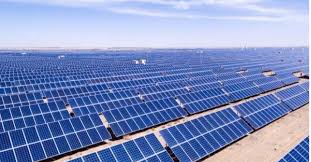
Nigeria has solidified its position as a dominant force in the continent’s renewable energy landscape, ranking as Africa’s second-largest solar market in 2025.
According to a recent industry report, this achievement marks a critical move toward closing the energy “liquidity gap” and serves as a vital indicator of the nation’s transition toward sustainable power to drive its economic goals.
The surge in solar adoption is characterized by a significant “financing rethink” within the energy sector, as the country moves to address the “logistics bottlenecks” of a centralized grid.
By expanding the “infrastructure of distribution” through decentralized mini-grids and standalone systems, Nigeria is providing the “liquidity of opportunity” for over 7,000 enterprises and millions of households to access reliable electricity.
This shift is essential for reducing the “cost of doing business” and enhancing the “technological sovereignty” of the local manufacturing sector.
From a macroeconomic perspective, the growth of the solar market acts as a “macro-stabilizer,” helping to insulate the economy from the “asymmetric threats” of volatile fossil fuel prices.
Historically, energy poverty has hindered “human capital” development, but the 2025 performance shows that solar energy is now a prerequisite for industrializing the real sector.
The report highlights that Nigeria’s commitment to renewable energy has attracted substantial international capital, including portions of the €2 billion syndicated facilities and specialized green funds mobilized to support the “security of the mandate” for carbon reduction.
The fiscal implications of this ranking are reflected in the “verifiability of results” within the power sector. The deployment of over 100 mini-grids has already connected 11,777 new customers and reduced carbon emissions by over 20,000 tonnes annually.
These figures demonstrate “operational realism” in how Nigeria is managing its complex energy transition while ensuring the “security of the person” through improved living standards and job creation in the green economy.
Ultimately, ranking as Africa’s second-largest solar market is a testament to the “stability of the policy” environment and the “rate of uptake” for clean technology.
As the 2026 fiscal cycle progresses, the continued expansion of the “infrastructure of distribution” will be key to maintaining this momentum. By prioritizing solar energy, Nigeria is securing its path toward a more “integrated and transparent” energy future that supports the “democracy dividend” for all its citizens.


New Deadline for IOCs to Set Up Local Units

Related to this topic: