
Ending exodus of medical practitioners
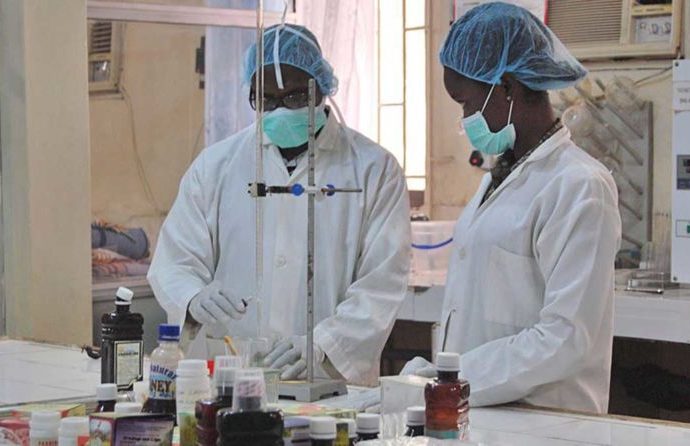
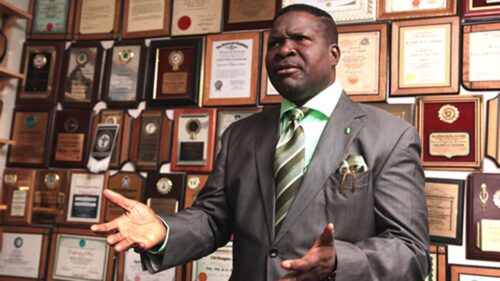
Recently, a paediatrics consultant, Prof. Olufemi Jaiyesimi raised alarm at the increasing exodus of medical doctors, paramedical consultants and other practitioners to overseas countries due to obsolete medical facilities and non-improvement of incentives to practitioners in the country. Prof. Jaiyesimi therefore called for a need to arrest the attendant growing mortality rate in the country through policies that would bring the country’s health institutions back to reckoning. We all but agree with the medical expert on his altruistic diagnoses of the state of the country’s health system. No one needs to go further to see the massive deterioration of Nigeria’s public health institutions. From the north to south and from the East to west, the spectacle of decay is all too palpable.
This unwholesome situation is responsible for the uncontrolled proliferation of private clinics and other health facilities across the country which are mostly patronised by the poor who are not only ripped off but more so are at the mercy of unlicensed practitioners and quacks. It bears repeating that the sorry state of Nigeria’s hospitals and other health institutions is responsible for the increasing exodus of the well to do citizens to other countries where the health facilities are not only modern but also manned by competent professionals. According the Nigerian Medical Association, over USD 500 million is lost annually to medical tourism,
Sadly, the vast majority of Nigerians who are too poor to afford medical treatment abroad have become victims of the embarrassing rot in the country’s health sector. In fact investigations show that since the Abuja Declaration in 2001, Nigeria has never spent more than eight per cent of its annual national budget on health. Indeed, Nigeria and 27 other countries have worse health care systems than Liberia’s. A report from the non-profit organisation, Save the Children, published in March 2015, ranked 72 countries on six measures of health-care provision for children, including the newborn mortality rate, the number of health-care workers per 10,000 population, immunisations and skilled birth attendance. The result, found that 28 countries fared less than Liberia which ranked 44th with Nigeria coming a distant 70th.
Such report definitely, seems to confirm an earlier one by the World Health Organisation (WHO) that 50 to 80 per cent of medical equipment in low-income countries, including Nigeria is out of service. Over the years, the situation has remained worrisome even to non-professionals. To worsen an already bad case, we note with regret that corruption has permeated the system and is threatening to suffocate what is left of the rot. Due to corruption, our healthcare system has been neglected for an extended period, evidenced by the lack of funding, undersupply, inefficiency, decrepit equipment, poor quality, needless deaths and unhappy workforce.
Today, many of the country’s general hospitals stink (literally and figuratively) and are breeding grounds for infectious diseases – many also do not have sufficient beds so corridors are turned to sleeping wards. To solve the problems, there is need for increase in public health centres, fully equipped with adequate drugs and modern facilities and manned by specialists. The challenges of the Nigerian healthcare system are many. We therefore call on the government to prioritise them in order to have positive impact on the lives of ordinary Nigerians