
El-Rufai Remains In EFCC Custody Amid Corruption Investigation
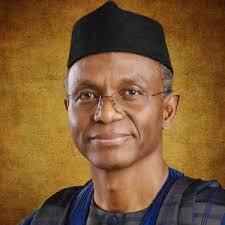
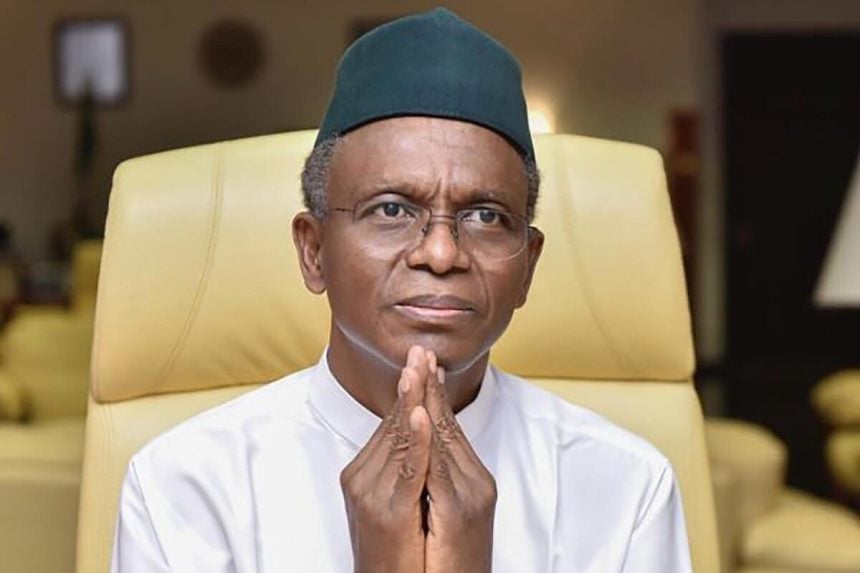
The former Governor of Kaduna State, Nasir El-Rufai, has spent a second consecutive day in the custody of the Economic and Financial Crimes Commission (EFCC).
His detention follows a voluntary appearance at the commission’s headquarters in Abuja on Monday, February 16, 2026, to respond to allegations regarding the mismanagement of public funds and the controversial sale of government properties during his eight-year tenure.
This high-profile investigation marks a significant escalation in the federal government’s anti-corruption drive, highlighting a renewed focus on executive accountability for administrative actions taken between 2015 and 2023.
The investigation primarily centers on the findings of the Kaduna State House of Assembly’s ad-hoc committee report, which alleged that the El-Rufai administration siphoned approximately ₦423 billion through questionable contract awards and illegal withdrawals.
The EFCC is also scrutinizing the “Kaduna Urban Renewal Project,” a massive infrastructure initiative that, while transformative for the state’s landscape, has been flagged for alleged inflation of costs and lack of due process.
Sources within the commission indicate that investigators are questioning the former governor on the whereabouts of several foreign loans secured during his administration, which critics claim were not fully utilized for their intended purposes.
The economic implications of such large-scale investigations into sub-national governance are profound, particularly concerning fiscal transparency and the “Ease of Doing Business” in Nigeria.
Kaduna State, under El-Rufai, was often portrayed as a leading destination for Foreign Direct Investment (FDI) due to its aggressive ease-of-doing-business reforms. However, the current allegations of financial impropriety suggest a disconnect between administrative policy and fiscal reality.
If the EFCC proves that significant portions of the state’s revenue and loans were diverted, it could lead to a reassessment of the creditworthiness of Nigerian states by international rating agencies, potentially increasing the cost of borrowing for sub-national entities.
Furthermore, the scrutiny of the sale of government-owned assets many of which were reportedly sold to cronies and associates touches on the broader issue of public trust in privatization processes.
The EFCC is investigating whether these assets were undervalued, leading to a substantial loss of revenue for the Kaduna State treasury. In a period where Nigeria is grappling with a widening fiscal deficit and high debt-servicing costs, the recovery of such “lost” assets is seen by the federal government as a vital component of domestic resource mobilization.
The outcome of this case will likely serve as a benchmark for how the 2022 Money Laundering (Prevention and Prohibition) Act is applied to former political office holders.
The political atmosphere surrounding the detention is equally tense. Supporters of the former governor have characterized the investigation as a “political witch-hunt,” noting El-Rufai’s historical role as a vocal critic within the ruling All Progressives Congress (APC).
Conversely, anti-corruption advocates argue that no individual should be above the law, regardless of their political standing or past administrative achievements. The EFCC has maintained that its actions are strictly professional and guided by the evidence contained in the legislative report.
The commission has reportedly obtained a court order to detain El-Rufai beyond the initial 24 hours to allow for more comprehensive questioning and the reconciliation of financial documents.
The detention of a figure as influential as El-Rufai also has institutional significance for the EFCC under the leadership of Chairman Ola Olukoyede.
Since assuming office, Olukoyede has emphasized a “preventive” approach to corruption but has faced pressure to deliver high-profile convictions. By pursuing cases involving former governors, the commission is attempting to demonstrate that the era of “executive immunity” is effectively over once an official leaves office.
This is critical for Nigeria’s standing in global anti-corruption indices, such as those produced by Transparency International, which heavily weigh the government’s ability to prosecute high-level corruption.
As the legal process unfolds, the Kaduna State government under Governor Uba Sani has distanced itself from the former governor’s legal troubles, emphasizing that the Assembly’s report was an independent legislative action.
The transition of power within the same party has not shielded the previous administration from scrutiny, reflecting a maturing democratic culture where institutional oversight transcends partisan loyalty.
The immediate focus for the EFCC over the coming days will be the collation of witness statements from former commissioners and permanent secretaries who served under El-Rufai, many of whom have also been invited for questioning.
The long-term impact of this investigation will be measured by its ability to instill fiscal discipline at the state level. While the “Kaduna model” of development was praised for its speed and ambition, the current EFCC probe serves as a reminder that infrastructure growth must be balanced with transparent financial management.
If the case proceeds to trial, it will provide a detailed look into the mechanics of state-level procurement and the vulnerabilities of Nigeria’s public finance systems. For the Nigerian public, the case represents a critical test of the judiciary and law enforcement’s ability to ensure that those entrusted with public resources are held to the highest standards of integrity.

Senate Moves Elections By 60 Days For Ramadan Fast
Related to this topic: