
ECOWAS vows united action on terrorism, stronger democracy
The Economic Community of West African States (ECOWAS) ministers have vowed united action on instability, terrorism and the defence of democracy as they ended the 55th Session of the Mediation and Security Council in Abuja.
They warned that weak governance continues to fuel conflicts across West Africa and said the region must strengthen its democratic foundations to avoid further deterioration.
The ministers stressed that instability, military takeovers, violent extremism and worsening security trends demand a firm and coordinated response from all member states.
The two day meeting, held from December 9 to 10, produced a new set of recommendations targeted at tackling political and security threats across the region.
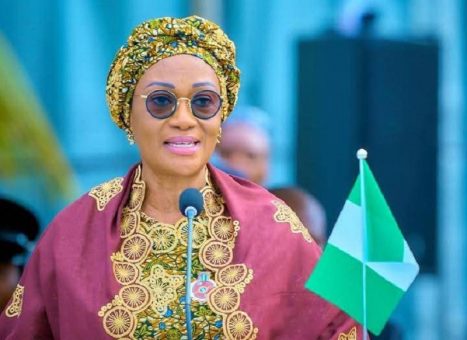
The session drew the participation of the Minister of Foreign Affairs, Ambassador Yusuf Maitama Tuggar, and the Minister of State for Foreign Affairs, Ambassador Bianca Odumegwu Ojukwu, who joined other regional leaders in reviewing the draft report and security assessments.
During the deliberations, ministers restated ECOWAS’s commitment to protecting constitutional rule and countering the wave of coups, electoral disputes and extremist violence confronting member states. They agreed that the bloc must stay united and pragmatic in its approach if it is to manage these risks effectively.
Closing the meeting, the Chair and Minister of Foreign Affairs of Sierra Leone said ministers had concluded “two days of intensive discussions on the pressing political, democratic and security challenges facing the region.”
He noted that West Africa continues to feel the ripple effects of global power competition in a fast changing multipolar world.
According to him, although Africa remains endowed with substantial resources for development, it has historically borne the brunt of global disruptions – from the transatlantic slave trade to colonial exploitation – and now faces renewed pressures in the technological era, including those linked to artificial intelligence.
The chair further remarked that persistent issues such as poverty and disease were now compounded by climate change, which he described as “a more treacherous threat”, driving insecurity by undermining livelihoods and agricultural systems.
In his assessment of the prevailing geopolitical landscape, he stated that ECOWAS remained a pillar of shared culture, identity, and values in a time of growing uncertainty. He emphasised that the community “must not only endure, but thrive,” given its historical foundations and aspirations.
He also expressed concern over the rise in hostilities across the continent, attributing many of these conflicts to weak democratic governance. When institutions fail to function effectively, he argued, social disruption and perceptions of illegitimacy emerge, creating fertile ground for instability. He therefore urged member states to re-examine governance structures, recommit to constitutional rule, and reinforce democratic institutions.
Reaffirming the region’s stance against unconstitutional changes of government, he stressed that ECOWAS leaders were committed to restoring constitutional order where it had been breached and to preventing further coups.
In response to critics who call for a narrower mandate, he insisted that “without peace, security, and stability, development is impossible,” making ECOWAS’s focus on these foundations indispensable.
The ministers, he said, had demonstrated a collective resolve to build a peaceful, secure, and coup-free region capable of advancing economic development. He buttressed the fact that resolutions during the meeting highlighted the importance of trust among member states, describing it as the foundation upon which effective partnership and resource utilisation depend.
Referencing ECOWAS’ achievements in promoting integration, he noted that West Africa remains one of the most open regions on the continent, where citizens can travel from Freetown to Abuja using only an identity card. He paid tribute to the visionaries who laid the groundwork for a community anchored on peaceful coexistence and cooperation.
He thanked member states for their commitment, the media for their coverage, and Nigeria for its hospitality and leadership in hosting the session. He further recognised the essential support of interpreters, rapporteurs, experts, ambassadors, consultants, and other personnel who contributed to the meeting’s success.
The adopted recommendations will guide ECOWAS in its upcoming efforts to address governance issues, strengthen regional security mechanisms, and protect democratic norms across West Africa.