
Diezani Alison-Madueke’s London Ordeal
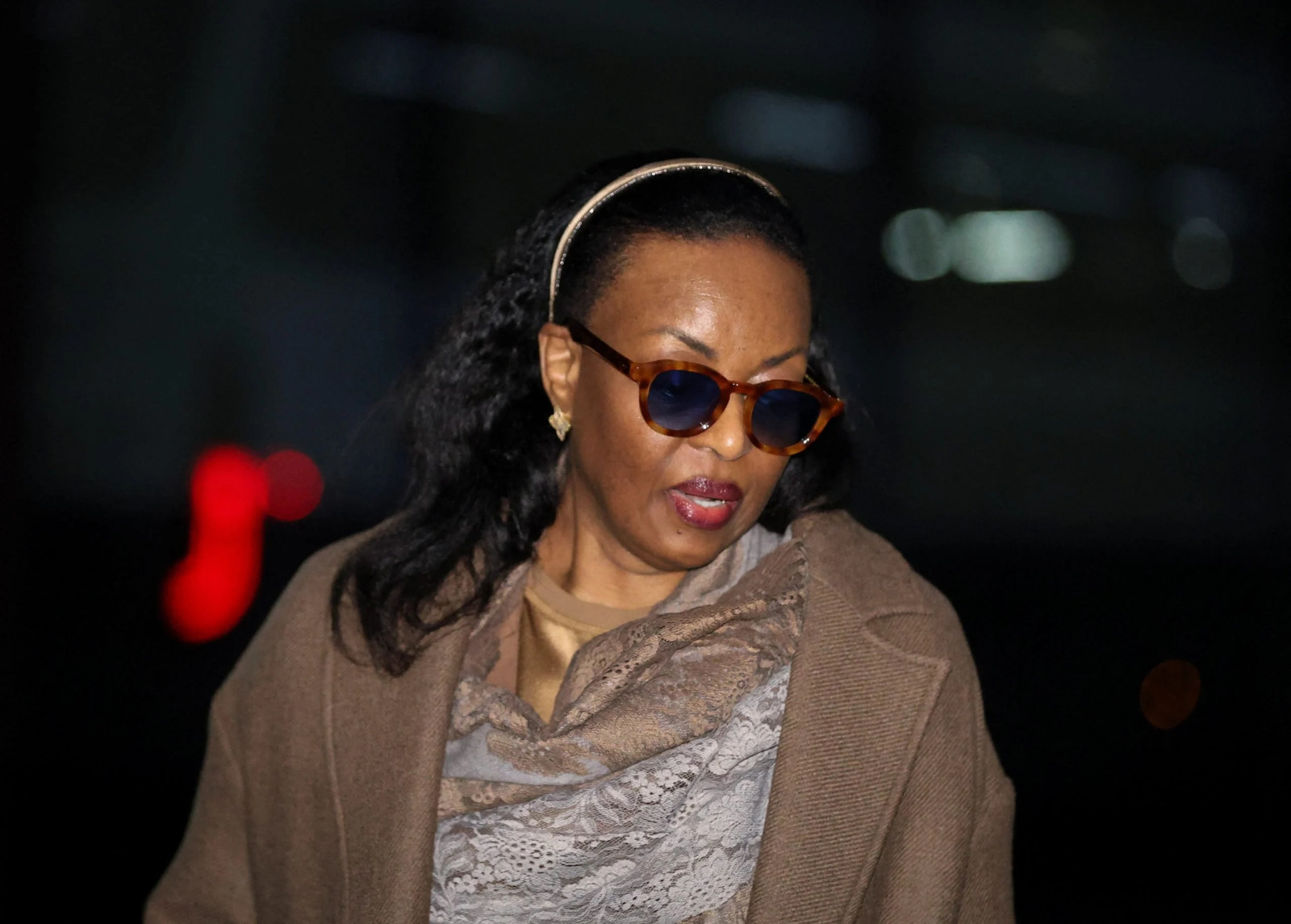
In the wood-panelled quiet of Court 4 at Southwark Crown Court, a historic legal reckoning is slowly unfolding. The defendant, Diezani Alison-Madueke, once one of the most powerful women in global energy, now listens as prosecutors detail a decade-old narrative of luxury, influence, and alleged corruption. The 65-year-old former Nigerian petroleum minister and ex-president of OPEC faces six charges: five counts of accepting bribes and one of conspiracy to commit bribery, all tied to her tenure between 2011 and 2015. She has pleaded not guilty to all.
The trial, expected to last 10 to 12 weeks, is more than a personal legal battle. It is a complex transnational drama, testing the reach of foreign courts into another nation’s resource politics and confronting the elusive nature of accountability for elite impunity. For Alison-Madueke, a pioneer who broke glass ceilings as Nigeria’s first female oil minister and OPEC’s first female president, the proceedings represent a stark fall from grace, played out on a distant stage.
The Charges and the Alleged “Life of Luxury”
The prosecution’s case, as outlined by Alexandra Healy KC, is built on a simple premise: that individuals seeking lucrative oil and gas contracts from Nigeria’s state-owned companies provided Alison-Madueke with a “life of luxury in the United Kingdom” in return for her influence. The alleged advantages are granular and vast.
They include at least £100,000 ($136,525) in cash, the use and refurbishment of multiple high-end London properties, chauffeur-driven cars, and private jet flights. Jurors heard that one Nigerian businessman, Kolawole Aluko, spent over £2 million on items for her at Harrods alone and provided a mansion outside London. Other claimed benefits range from furniture and household staff salaries to the payment of private school fees for her son.
The prosecution argues these were not innocent gifts but part of a corrupt “pay-to-play” scheme, where benefits flowed in exchange for steering “multi-million-pound” contracts. Two Nigerian energy groups, Atlantic Energy Drilling Concept Nigeria Limited and SPOG Petrochemicals, are cited as the alleged sources. Healy told the court that while there may be no evidence she awarded contracts to someone who shouldn’t have received one, it was improper for her to accept such benefits from those doing business with entities she oversaw.
A Protracted Path to Trial
The road to this courtroom has been long, a nine-year odyssey of investigation across multiple continents. Alison-Madueke was first arrested in London in October 2015, just months after leaving office, as part of a major international probe. She was then released on bail, where she remained for years as UK’s National Crime Agency (NCA), alongside US and Nigerian authorities, painstakingly built their case. Formal charges were not authorised until August 2023. This protracted delay, as some legal experts note, reflects the complexity of tracing international money flows and assembling a watertight case, rather than any lapse in pursuit.
This slow, methodical approach contrasts sharply with the Nigerian judicial experience, a point not lost on observers. The Nation newspaper editorialised that the British system’s ability to set a firm 10-12 week timetable for a trial of this scale is “something our judiciary ought to learn from,” contrasting it with a domestic system where cases “drag interminably for years”. The irony is palpable: a former Nigerian minister is facing a swifter, arguably more rigorous, legal process in London than she likely would have at home.
Technical Glitches and a Walking Stick
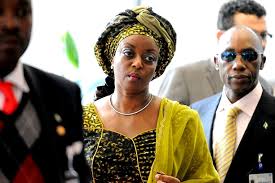
The trial’s substantive opening was itself delayed, not by legal maneuvering but by a mundane technical failure: the courtroom had no internet. This early stumble highlighted the often-unpredictable nature of judicial machinery. When proceedings did begin, attendees noted Alison-Madueke’s physical presence. She was seen using a walking stick, though no official reason was given for its use. The image of the former powerful minister, now aided by a stick, sitting in the dock alongside co-defendants, is a powerfully humanising one amidst the severe allegations.
Her co-accused are her brother, Doye Agama, a former archbishop charged with conspiracy, and Olatimbo Ayinde, an oil executive charged with bribery related to Alison-Madueke and a separate count involving another Nigerian oil official. Agama, for medical reasons, attends via video link. All three deny the charges.
The Defence and a Subtler Narrative
While the defence’s full case is yet to be heard, Alison-Madueke’s not-guilty plea is a steadfast rebuttal of the prosecution’s story. A sympathetic reading of her situation might consider several factors. First is the sheer scale and duration of the scrutiny. For nearly a decade, she has lived under the cloud of these allegations, her legacy defined by them. Second, the trial hinges on proving a direct quid pro quo, a connection between a specific benefit and a specific official act. This can be a high bar to clear.
Furthermore, her trajectory was undeniably groundbreaking. In the male-dominated world of Nigerian politics and global oil, she ascended to the very top, commanding OPEC in 2014-2015. This context doesn’t excuse corruption, but it frames her story within the intense pressures and heightened visibility faced by female pioneers in corrupt systems. The prosecution itself noted the alleged bribes came from people who “clearly believed she would use her influence,” a testament to the perceived power she wielded, a power hard-won in a challenging environment.
A Global Reckoning with Local Roots
The UK’s jurisdiction stems from the fact that the alleged benefits, London properties, luxury shopping, UK-based services, were enjoyed on British soil. Prosecutor Healy addressed the jury’s potential curiosity about why a Nigerian case is being tried in London, stating, “We live in a global society. Bribery and corruption undermine the proper functioning of the global market”. The trial is thus a flagship example of transnational enforcement, where destination countries for illicit wealth attempt to police the corruption originating elsewhere.
This global chase has already had material consequences. Parallel US civil actions have led to the forfeiture of over $53 million in assets linked to the broader alleged scheme, including luxury real estate and a super-yacht, with funds earmarked for repatriation to Nigeria. At home, Nigeria’s Economic and Financial Crimes Commission (EFCC) has secured the forfeiture of dozens of properties and recovered hundreds of millions of dollars in related asset seizures. The London criminal trial is the centrepiece of this multi-jurisdictional effort.
What is at Stake?
For Alison-Madueke, the stakes are profoundly personal. Conviction under the UK Bribery Act can bring a prison sentence of up to 10 years and unlimited fines. Beyond punishment, a guilty verdict would cement a narrative of corruption that has dogged her for years.
For Nigeria, the trial holds up an uncomfortable mirror. It underscores the persistent “accountability gap” where high-profile corruption cases often seem easier to prosecute abroad than in the country where the alleged crimes occurred. It also revisits a contentious era in the nation’s oil sector, a period marked by vast revenues that have historically failed to translate into widespread public benefit.
Finally, for the international community, the case tests the practical limits of fighting graft that crosses borders. Can a London jury effectively untangle the intricate web of Nigerian oil politics, contract awards, and luxury lifestyles? The answer will be watched closely by anti-corruption advocates and legal experts worldwide.
As the trial continues, moving past its initial technical hiccups, it promises weeks of detailed evidence, property leases, jet manifests, bank records, and witness testimonies. At its heart, however, it remains a human story: that of a once-celebrated trailblazer now defending her name in a foreign court, a symbol of both the fierce scrutiny that follows power and the long, winding pursuit of justice in a globalised world.