
David Mark: We are the architects of our own problems in the north
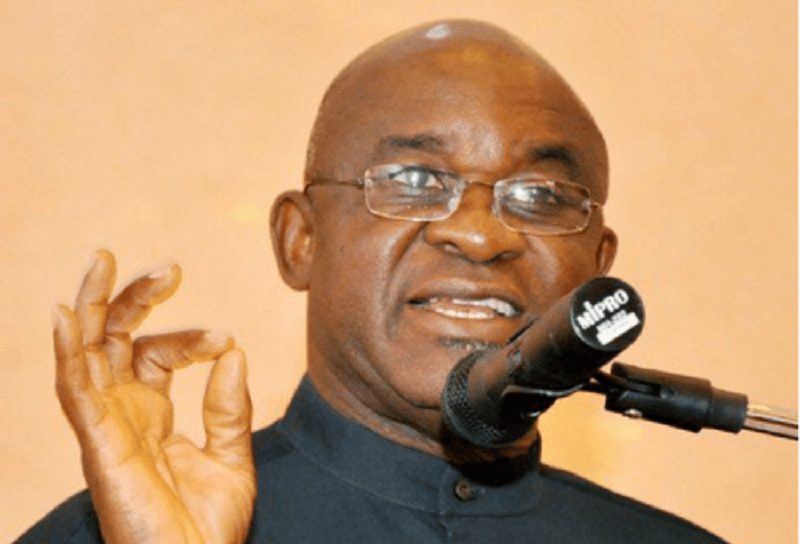
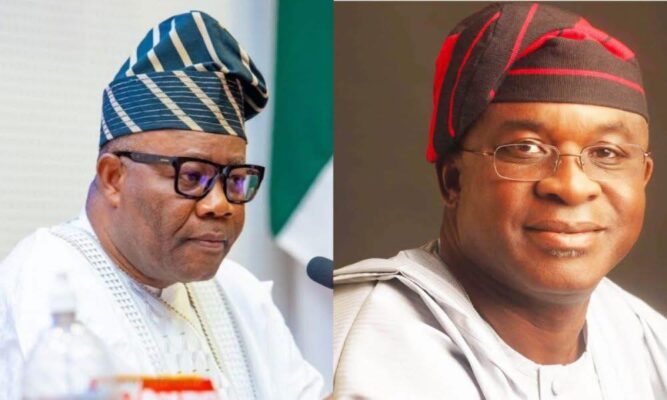
David Mark, former Senate president and interim national chairman of the African Democratic Congress (ADC), says northerners must take responsibility for the crises plaguing the region instead of shifting blame.
Delivering the keynote address at the 3rd plenary session of the Northern Political Consultative Group in Abuja on Saturday, Mark said the region—though rich in minerals, agriculture, and culture—has become a shadow of itself due to insecurity, poverty, ethnic tension, and political fragmentation.
“We must first admit that we are the architects of our problems; we must stop the blame game if we truly and genuinely want to find a lasting solution,” Mark said.
“Division has cost us progress, while indifference and inaction have continued to deepen our division. If we are to overcome our present travails, we must return to the principles of justice, equity, mutual respect, and shared purpose that once made Northern Nigeria a beacon of hope, peace, unity, and development.”
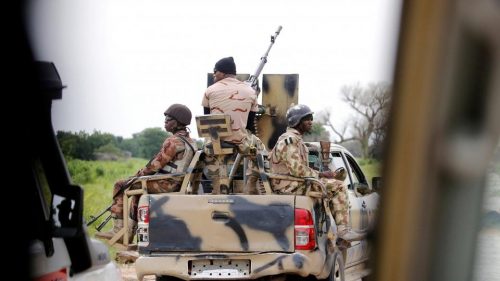
Mark said banditry, insurgency, communal clashes, and poor governance have displaced millions and crippled the economy, leaving the North as the poorest region in the country.
“Mistrust between and among ethnic groups and religious communities has been exploited by selfish and desperate interests, leading to violent conflicts. Instead of uniting for common goals, our elites often prioritise personal and sectional interests over collective progress,” he said.
He stressed that insecurity drives away investment, while poverty fuels crime and desperation—a vicious cycle worsened by political fragmentation and ethnic division.
To change the narrative, the former lawmaker urged northern leaders to tone down divisive rhetoric and rekindle the inclusive leadership model of the late Sardauna of Sokoto, Sir Ahmadu Bello.
“Some of you in the audience may still remember, with nostalgia, the old Northern Region, under the leadership of Sir Ahmadu Bello (Sardauna of Sokoto), when the North actually thrived because it was built on equity and justice.
“The Sardauna did not see Hausa, Fulani, Kanuri, Igala, Tiv, Idoma, Nupe, Okun, and others. The only citizens he saw were Northerners. He invested in education, agriculture, and infrastructure, not for one group, but for the collective.”
Mark said leaders must stop weaponising religion and ethnicity during elections and instead focus on building unity.
“After this meeting, we should undertake the following: as leaders, as politicians, or just as ordinary citizens, all of us must consider it our sacred duty to be bridge-builders, not dividers, in our local communities,” he said.
“Too often, as politicians, we exploit ethnic and religious differences in order to win elections, and thereafter, we leave our people hopelessly divided.
“The destructive weaponisation of ethnicity and religion we saw in the last election is unacceptable. This is where the African Democratic Congress (ADC) will make the difference. For us, politics is about service and not manipulation.”
‘MARGINALISATION FUELS DIVISION IN NORTHERN NIGERIA’
The former lawmaker also identified marginalisation, ignorance, and poor investment in education as root causes of the region’s instability.
“The major cause of division in Northern Nigeria is the perception of marginalisation. We must ensure fairness in appointments, resource allocation, and opportunities. Resentment grows when any group feels excluded. But when all see themselves as equal stakeholders, peace flourishes,” he said.
“Ignorance is the biggest enemy of unity, social cohesion, and development. We must invest in education that teaches our children the value of diversity.
“Let our schools, churches, and mosques preach tolerance. Let our media promote stories of cooperation. For as long as we continue to treat investment in education with levity and frivolity, for that long shall we continue to reap poverty and insecurity.”
Mark argued that restoring economic dignity and peace will require bold investments in job creation and youth empowerment.
“As I said earlier, poverty fuels desperation and violence. By creating jobs, supporting agriculture, and empowering youth, we remove the incentives for crime and rebellion. A thriving economy is the best weapon against instability,” he said.
“Our security challenges are self-inflicted. We cannot continue to expect solutions from elsewhere. Northern Nigeria used to be the safest part of Nigeria. There were no armed robbery, kidnapping, cultism or fraudsters, but today the story in the North is different.
“The Native Authority, the precursor of today’s Local Government Area, used to have an effective community policing infrastructure where villagers protected each other. We have to find a way to reorganise our people in their villages to return to these age-old and tested practices.”