
Dangote Unveils Port Expansion Plans as NNPCL Chief Tours Refinery
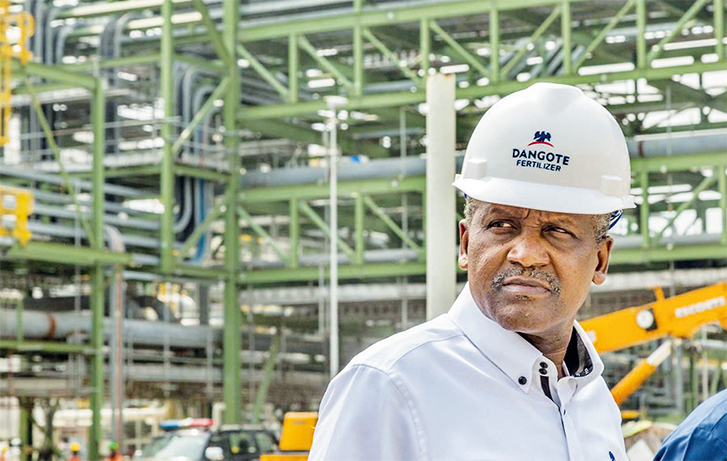
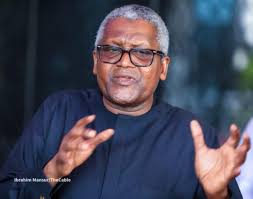
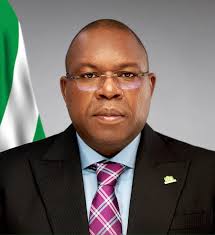
Africa’s foremost industrialist, Aliko Dangote, on Saturday hosted the Group Chief Executive Officer of the Nigerian National Petroleum Company Limited, Mr Bayo Ojulari, on a facility tour of the Dangote Refinery, unveiling sweeping upgrades to its marine and port infrastructure.
The technical engagement, held at the refinery’s harbour, centred on expansion projects designed to boost export capacity, enhance logistics efficiency and reinforce Nigeria’s standing in regional energy trade.
Leading the detailed presentation, the Head of Port Infrastructure and Marine Operations, Captain Satendra Singh Rana, outlined key developments aimed at scaling operations and strengthening throughput across the value chain.
He disclosed that the company is expanding its urea fertiliser plant from three million tonnes per annum to nine million tonnes, a move expected to position the facility as the largest fertiliser complex globally.
Rana explained that the current truck-based loading model, which transports about 30 tonnes per trip, will be replaced with a fully automated conveyor belt system linking the fertiliser plant directly to the jetty, significantly reducing turnaround time and operational bottlenecks.
As part of the broader upgrade, the harbour is being extended, and four additional tanker jetties are under construction to handle liquefied petroleum gas, gasoline, gas oil and aviation fuel. The improved infrastructure is designed to berth vessels of up to 250 metres in length, equivalent to approximately 100,000 deadweight tonnes, while also accommodating smaller ships for domestic supply.
He further revealed that the harbour depth, currently about nine metres with a capacity of roughly 33,000 tonnes per vessel, is being increased to 14.5 metres. The deepening will allow urea exports of up to 60,000 tonnes per shipment and enable larger tankers to dock efficiently.
According to Rana, the development aligns with Nigeria’s ambition to become a major bunkering hub in West Africa, strengthening its competitiveness in regional maritime trade.
Highlighting a distinctive engineering feature, he described the facility’s sand-built breakwater as a pioneering innovation, noting that it offers sustainability advantages, faster construction timelines and cost efficiencies compared with conventional rock-based structures. The concept, he added, has attracted academic interest for potential replication in future port developments.
During the tour, Dangote elaborated on the refinery’s long-term export and logistics roadmap, while Ojulari sought clarification on operational capacity, scalability and integration within Nigeria’s broader energy framework.
The visit comes as the refinery continues to ramp up production and consolidate its supporting infrastructure, reinforcing its strategic role in Nigeria’s industrial and export growth ambitions.