
Court orders FCT workers back to work, says strike rights not absolute
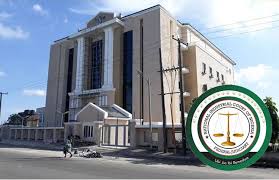
The National Industrial Court of Nigeria in Abuja has ordered workers in the Federal Capital Territory (FCT), to resume work, ruling that the right to strike is not absolute once a dispute is before the court.
The order followed an interlocutory injunction granted in favour of the FCT Minister, Nyesom Wike, and the FCT Administration, effectively halting the ongoing strike by workers under the Joint Union Action Committee.
The court’s decision arose from a suit filed by the FCT authorities against the leadership of the Joint Union Action Committee, including its Chairman, Rifkatu Iortyer, and Secretary, Abdullahi Umar Saleh.
In the suit marked NICN/ABJ/17/2026, the claimants asked the court to restrain the unions, their officials, and agents from embarking on any industrial action, picketing, or lockout while the matter was pending.
In his ruling delivered on Tuesday, Justice E.D. Subilim acknowledged that the dispute qualified as a trade dispute under the law and had followed the required procedures.
However, he stressed that workers’ entitlement to industrial action has clear legal limits, especially when judicial processes have been activated.
Justice Subilim held that once a trade dispute is formally referred to the National Industrial Court, workers are barred from continuing or commencing a strike.
He added that where a strike is already in progress, it must be suspended until the court reaches a final decision on the substantive issues in contention.
“An order of interlocutory injunction is hereby granted, restraining the claimants and representatives… from further embarking on any industrial action against the claimant. The order shall remain in force, pending the determination of this suit,” Justice Subilim said.
The court adjourned the matter until March 23, 2026, for the hearing of the substantive suit.
Daily Times reports that the industrial action was declared on Monday by workers in the FCT operating under the Joint Union Action Committee, who commenced an indefinite strike over what they described as long-standing welfare issues.
The unions said the decision to down tools followed repeated complaints that had remained unresolved by the authorities.
Speaking on behalf of the workers, JUAC President, Rifkatu Iortyer, said the grievances ranged from the failure to remit pension and National Housing Fund deductions to the non-release of overhead funds.
She also cited the centralisation and restriction of salary preparation and payments, as well as the non-payment of allowances owed to staff of the Abuja Environmental Protection Board and the Social Development Secretariat engaged in law enforcement duties.
Iortyer further raised concerns over what she described as weak financial autonomy for Permanent Secretaries and heads of departments and agencies, alongside the continued retention of some officials who were due for retirement.
According to her, these practices have created administrative bottlenecks and frustration within the service.
She added that the workers were also aggrieved over unpaid wage awards, outstanding promotion arrears, poor working conditions, intimidation of staff, and inadequate training and staff development.
The unions equally rejected the high failure rate recorded in the 2024 promotion examinations, insisting that the results be reviewed and reversed.



Related to this topic:

Time Now the Highest Stake Asset in Aviation, Ajayi Says